
Best Small Binoculars for Hiking
1) Celestron – Nature DX 8×42 Binoculars
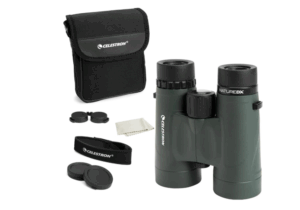
The Celestron Nature DX 8×42 Binoculars is one of the Best Small Binoculars for Hiking, it features; Lightweight yet durable design suitable for hiking, travel, and everyday outdoor use, Excellent image clarity thanks to fully multi-coated lenses and phase-coated BaK-4 prisms among other incredible features.
The Celestron Nature DX 8×42 Binoculars are crafted for adventurers who demand clarity, reliability, and comfort on every outing. Built around an 8x magnification system, these binoculars deliver detailed, steady views of birds, wildlife, and distant terrain without the hand-shake often seen in higher-power optics.
Their 42mm objective lenses strike the perfect balance between portability and brightness, making them ideal for hiking, birdwatching, safaris, and general outdoor exploration. Fully multi-coated lenses work together with phase-coated BaK-4 prisms to enhance contrast and resolution, ensuring crisp, color-accurate images in both bright daylight and low-light conditions.
The rugged rubber-armored polycarbonate body is designed to take on real-world outdoor challenges while providing a secure grip. They are fully waterproof and nitrogen-purged to prevent fogging, allowing you to explore confidently in rain, humidity, or changing temperatures.
A built-in tripod adapter socket makes it easy to mount the Nature DX 8×42 to a standard tripod for shake-free, extended viewing sessions, while the wide 7.4° field of view helps you effortlessly track birds in flight and scan large landscapes. Backed by Celestron’s Limited Lifetime US Warranty and expert US-based support, these binoculars offer outstanding long-term value from a trusted optics brand that has been innovating since 1960.
Pros
-
Lightweight yet durable design suitable for hiking, travel, and everyday outdoor use
-
Excellent image clarity thanks to fully multi-coated lenses and phase-coated BaK-4 prisms
-
Waterproof and nitrogen-purged for reliable, all-weather performance
-
Wide 7.4° angular field of view makes tracking fast-moving subjects easy
-
Tripod-adaptable for stable, extended viewing
-
Backed by Celestron’s Limited Lifetime US Warranty and expert customer support
Cons
-
Tripod adapter sold separately
2) Leica Ultravid 8×32 HD Plus Binoculars
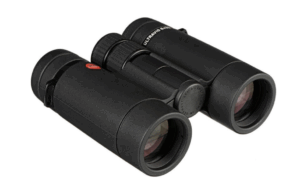
The Leica Ultravid 8×32 HD Plus Binoculars is one of the Best Small Binoculars for Hiking, it features; Exceptional image clarity and color accuracy from premium Leica optics, Lightweight magnesium chassis offers durability without bulk among other incredible features.
The Leica Ultravid 8×32 HD Plus Binoculars deliver premium optical performance in a compact and lightweight form that’s perfect for serious birdwatchers, hikers, and nature enthusiasts. With 8x magnification, they offer a steady, detailed view of distant subjects without sacrificing comfort or stability. The 32mm objective lenses provide a bright, clear image while maintaining an ultra-portable design that’s easy to carry on long treks.
Built around a compact roof prism optical system, the Ultravid HD Plus delivers exceptional clarity, sharpness, and color fidelity; hallmarks of Leica’s renowned optical engineering. A wide 407-foot field of view at 1000 yards combined with a 62° apparent angle of view gives you an immersive visual experience, making it easier to track fast-moving birds and scan open landscapes.
The 4.0mm exit pupil ensures good low-light performance for dawn and dusk viewing, while the long 13.3mm eye relief offers comfortable use, even for eyeglass wearers. Finished with a lightweight yet highly durable magnesium chassis, these binoculars are built for rugged outdoor use without adding unnecessary weight to your pack.
Pros
-
Exceptional image clarity and color accuracy from premium Leica optics
-
Lightweight magnesium chassis offers durability without bulk
-
Wide field of view for easy tracking and immersive observation
-
Long eye relief ensures comfort for eyeglass wearers
-
Compact roof prism design enhances portability
Cons
-
Premium price point may be high for casual users
3) SWAROVSKI CL Companion Binoculars 8×30 (Anthracite) Wild Nature (58236)
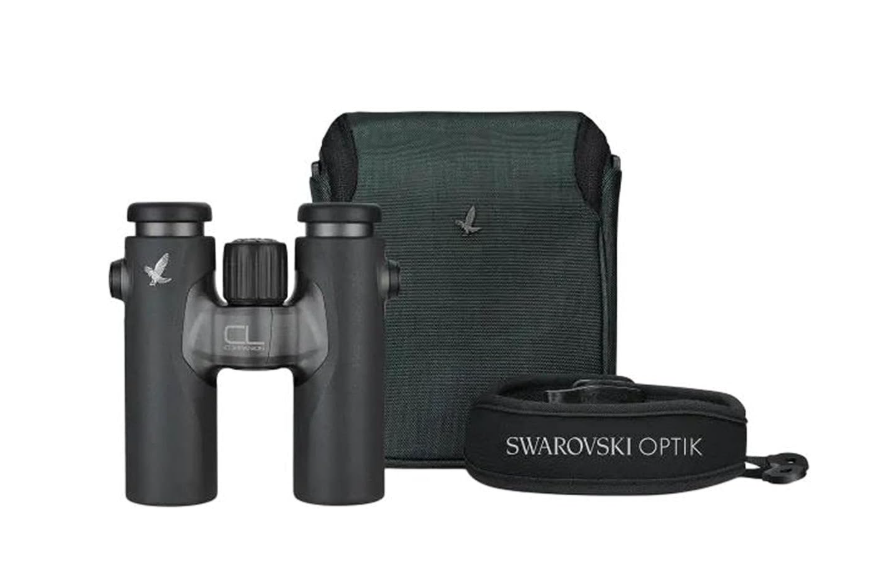
The SWAROVSKI CL Companion 8×30 (Anthracite) Wild Nature binoculars is one of the Best Small Binoculars for Hiking, it features; Excellent clarity and detail thanks to Swarovski’s proprietary coatings, Lightweight and compact design ideal for travel and hiking among other incredible features.
The SWAROVSKI CL Companion 8×30 (Anthracite) Wild Nature binoculars combine premium craftsmanship with compact portability, making them ideal for hikers, travelers, birdwatchers, and anyone who values high-quality optics in a lightweight form. With 8x magnification, these binoculars provide detailed, steady views of distant subjects; perfect for observing wildlife, studying architectural details, enjoying live performances, or watching sporting events.
The 30mm objective lenses strike a perfect balance between enhanced light-gathering ability and easy packability, offering noticeably brighter images than pocket-sized binoculars without the bulk of traditional full-size models. Their compact roof prism design ensures strong optical performance while keeping the overall profile slim and travel-friendly.
Equipped with high-quality BAK4 prisms, the CL Companion delivers a perfectly round exit pupil and crisp, clear views with minimal edge distortion. Swarovski’s proprietary coating system further elevates the viewing experience by boosting contrast, color fidelity, and overall brightness; even in challenging lighting conditions.
Designed with durability, elegance, and optical excellence in mind, these binoculars deliver a premium, immersive viewing experience wherever your adventures take you.
Pros
-
Excellent clarity and detail thanks to Swarovski’s proprietary coatings
-
Lightweight and compact design ideal for travel and hiking
-
BAK4 prisms provide a clean, round exit pupil and sharp image quality
-
30mm objective lenses offer bright viewing without excess bulk
-
Wide usability; from wildlife viewing to concerts and sports
Cons
-
Premium price may be prohibitive for casual users
Factors to Consider When Choosing the Best Small Binoculars for Hiking
1. Magnification Power
Magnification is one of the most important factors when choosing compact binoculars for hiking. Models with 8x or 10x magnification are the most practical for outdoor use; 8x provides a steadier image with a wider field of view, making it easier to track wildlife or scan landscapes, while 10x offers more detail but can introduce more visible hand-shake. For most hikers, 8x hits the perfect sweet spot between clarity, stability, and ease of use on uneven terrain.
2. Objective Lens Size
Small binoculars typically range from 25mm to 32mm in objective lens diameter. Larger lenses gather more light and create brighter images; especially helpful in dawn, dusk, or under forest canopy. A 30–32mm lens provides excellent brightness without adding too much bulk, while 25mm lenses maximize portability. The goal is finding the right balance between brightness and weight depending on how far and how frequently you hike.
3. Optical Quality & Coatings
High-quality glass, fully multi-coated lenses, and advanced prism coatings dramatically improve image clarity, brightness, and color accuracy. Features like BaK-4 prisms, phase coating, and proprietary coatings (such as those from Swarovski or Leica) reduce distortion and enhance edge-to-edge sharpness. For hikers who enjoy birdwatching or wildlife observation, superior optical coatings make a noticeable difference in viewing comfort and detail.
4. Field of View
A wide field of view makes it easier to scan open landscapes, follow birds in flight, or track moving wildlife. For hiking, this is a major advantage, as you often need to locate and follow subjects quickly. Compact binoculars offering a large angular field of view; such as 7° or more; provide a more immersive experience and reduce the need for constant repositioning.
5. Size, Weight & Portability
Compact binoculars are favored by hikers because they reduce fatigue and pack easily into a backpack or pocket. Lightweight magnesium or polycarbonate bodies are ideal, offering durability without adding unnecessary bulk. Choosing a model that’s comfortable to hold for long stretches; while still being small enough for one-handed use or quick deployment; can make a big difference on long trails.
6. Durability & Weather Resistance
Outdoor conditions can be unpredictable, so choosing binoculars that can withstand rough terrain and weather changes is essential. Rubber armor provides shock resistance and a secure grip, while waterproofing and nitrogen purging prevent fogging in humid, rainy, or cold conditions. Rugged construction ensures the binoculars stay functional even if dropped or exposed to harsh environments.
7. Eye Relief & Viewing Comfort
Eye relief is important for both eyeglass wearers and hikers who use binoculars for extended periods. Longer eye relief; typically 13mm or more; ensures a comfortable viewing experience without straining your eyes or pressing too close to the eyecups. Adjustable eyecups also help maintain optimal eye position, especially when switching between quick glances and prolonged observation.
8. Prism Type & Optical Design
Compact roof prism designs are ideal for hiking because they keep the binoculars lightweight, streamlined, and easy to handle. Roof prisms are more durable and better sealed against dust and moisture compared to Porro prisms. When paired with BaK-4 glass and phase-corrective coatings, they deliver superior image sharpness and contrast in a smaller overall size.
9. Tripod Adaptability
While not always necessary, having the option to mount your binoculars to a tripod is useful for extended viewing sessions, such as birdwatching at a lookout point. Tripod-adaptable designs allow hikers to stabilize the image when observing distant subjects for long periods, reducing eye strain and improving clarity.
10. Brand Reputation & Warranty
Established brands like Swarovski, Leica, and Celestron offer proven optical performance and excellent build quality. A strong warranty; such as lifetime coverage; gives peace of mind, especially when using the binoculars in rugged outdoor environments. Opting for a reputable brand also means better customer support and long-term reliability.
FAQs
1. What magnification is best for small binoculars used for hiking?
For hiking, 8x magnification is generally the best choice because it provides detailed views while maintaining image stability; even when you’re on uneven terrain. While 10x models offer more zoom, they can introduce more hand-shake and often have a narrower field of view, making 8x ideal for tracking wildlife, scanning landscapes, and comfortable all-day use.
2. Are 30–32mm binoculars better than 25mm compact models for hiking?
Yes; if you want brighter, clearer images. Binoculars with 30–32mm objective lenses gather more light than 25mm models, resulting in improved low-light performance at dawn, dusk, or in shaded forests. They strike a great balance between portability and brightness, offering better image quality without the bulk of full-size 42mm binoculars.
3. What features should I prioritize when choosing hiking binoculars?
Key features to prioritize include a wide field of view, high-quality optical coatings, lightweight construction, and weatherproof durability. Look for BaK-4 prisms, fully multi-coated lenses, and rugged, waterproof housing to ensure the binoculars can handle the demands of outdoor environments. Good eye relief and a comfortable ergonomic design also enhance long-term viewing comfort on the trail.
Read Also : Best Porro Prism Binoculars