
Starting your journey into professional photography can feel overwhelming, especially with so many camera options available today. The best beginner-friendly cameras combine excellent image quality, easy-to-use controls, and room to grow as your skills improve. Modern mirrorless models like the Canon EOS R50, Nikon Z50, Sony Alpha ZV-E10, Fujifilm X-T30 III, and Canon EOS R100 offer the perfect balance of performance, portability, and affordability for aspiring photographers.
With large sensors, fast autofocus systems, interchangeable lenses, and powerful video capabilities, these cameras help beginners capture sharp, vibrant, professional-quality images while learning the fundamentals of composition, lighting, and manual controls. Choosing the right camera ensures you not only take better photos today but also build a strong foundation for a successful photography journey.
Best Camera for Professional Photography for Beginners
1) Canon EOS R50 Mirrorless Camera
The Canon EOS R50 Mirrorless Camera is a compact yet powerful option for beginners and aspiring professionals seeking high-end imaging performance in a lightweight body. It features a 24.2-megapixel APS-C CMOS sensor paired with the advanced DIGIC X processor, delivering stunning image clarity, rich colors, and impressive detail for both photos and videos.
Designed to capture fast-moving subjects with precision, the camera supports high-speed continuous shooting at up to 12 fps using the Electronic First Curtain shutter and up to 15 fps with the Electronic Shutter, making it excellent for action photography and dynamic vlogging. Its Dual Pixel CMOS AF II system provides intelligent autofocus coverage across nearly 100% of the frame with 651 AF zones, using deep learning technology for accurate subject detection and tracking of people, animals, and vehicles.
Low-light shooting is equally impressive thanks to Canon’s Advanced A+ Assist mode, which expands scene recognition capabilities and helps produce bright, expressive images even in challenging conditions like night scenes and backlit environments. For video creators, the EOS R50 offers beautifully detailed 6K oversampled uncropped 4K recording at up to 30 fps, along with Full HD high-frame-rate recording at up to 120 fps for smooth slow-motion footage.
Movie for Close-up Demo Mode automatically shifts focus to objects nearest the camera; a valuable feature for product demos, tutorials, and content creation. Framing and composition are effortless with the 2.36-million-dot electronic viewfinder and the Clear View LCD II vari-angle touchscreen, allowing flexible shooting from virtually any angle. Built-in Wi-Fi and Bluetooth connectivity make it easy to transfer files, control the camera remotely, and pair with smart devices through the Canon Camera Connect app for a seamless wireless workflow.
Pros
- Excellent 24.2MP image quality with powerful DIGIC X processing
- Fast continuous shooting ideal for sports and wildlife photography
- Advanced AI-powered autofocus with reliable subject tracking
- Strong low-light performance with intelligent scene assistance
- Oversampled uncropped 4K video and smooth slow-motion recording
- Vari-angle touchscreen and high-resolution electronic viewfinder
- Easy wireless sharing and remote control via Wi-Fi & Bluetooth
- Lightweight and beginner-friendly design suitable for travel and vlogging
Cons
- Battery life is moderate compared to larger models
2) Canon EOS R100 Mirrorless Camera
The Canon EOS R100 Mirrorless Camera is an excellent entry point into professional-quality photography, offering a balance of performance, portability, and affordability. It features a 24.1-megapixel APS-C CMOS sensor that delivers impressive image clarity, rich detail, and beautiful natural background blur (bokeh), making portraits and everyday shots look professional.
Designed with mobility in mind, the EOS R100 is the smallest and lightest body in the EOS R series, making it comfortable to carry for travel, events, and daily photography. Despite its compact size, it packs capable hardware that supports interchangeable RF lenses, giving beginners room to grow their creative skills.
Powered by the DIGIC 8 image processor, the camera ensures responsive performance, improved shooting functionality, and reliable 4K video capability. It supports versatile video recording options, including 4K at up to 24 fps for cinematic footage, Full HD at 60 fps for smooth everyday recording, and HD at up to 120 fps for slow-motion playback.
Autofocus performance is fast and dependable thanks to the Dual Pixel CMOS AF system, which covers a wide area using 143 AF zones. The camera also features intelligent subject detection with human face and eye tracking, along with animal and vehicle detection for both photos and videos. Continuous shooting speeds of up to 6.5 frames per second (One-Shot AF) help capture fleeting moments with precision, making the EOS R100 a practical and beginner-friendly mirrorless camera.
Pros
- Sharp 24.1MP APS-C sensor with attractive natural background blur
- Compact, lightweight body ideal for travel and everyday shooting
- Affordable entry into Canon’s EOS R mirrorless system
- Reliable DIGIC 8 processor ensures smooth performance
- Multiple video modes including 4K and slow-motion recording
- Accurate Dual Pixel autofocus with face, eye, animal, and vehicle detection
- Interchangeable lens system allows creative flexibility
Cons
- 4K video has frame rate limitations
3) Nikon Z 50
The Nikon Z 50 Mirrorless Camera is a compact yet ruggedly built camera designed for photographers and content creators who want professional performance in a portable body. As Nikon’s first DX-format mirrorless camera, it features a large 55mm Z mount that allows more light to reach the sensor, helping deliver impressive image quality, enhanced sharpness, and stronger low-light performance.
Its 20.9-megapixel sensor captures rich detail and vibrant colors, while robust 4K UHD video capabilities make it a versatile tool for both photography and videography. The durable construction ensures reliability during travel and outdoor shooting, making it ideal for creators on the move.
Designed with modern connectivity and convenience in mind, the Z 50 includes built-in Wi-Fi and Bluetooth for quick pairing with smartphones, enabling seamless photo transfers and remote camera control. The flip-down touchscreen LCD makes it easy to frame selfies, vlogs, and creative angles, appealing strongly to bloggers and social media creators.
The camera is compatible with high-quality NIKKOR Z lenses that maximize optical performance, while the optional FTZ Mount Adapter also allows photographers to use a wide range of F-mount NIKKOR DSLR lenses. This flexibility makes the Nikon Z 50 an excellent choice for beginners upgrading from smartphones as well as enthusiasts transitioning from DSLR systems.
Pros
- Compact, lightweight, and durable build for travel and outdoor use
- Large Z-mount improves light capture and image quality
- Detailed 20.9MP sensor produces sharp, vibrant photos
- Reliable 4K UHD video for hybrid photo/video creators
- Flip-down touchscreen ideal for selfies and vlogging
- Easy wireless sharing via built-in Wi-Fi and Bluetooth
- Wide lens compatibility with NIKKOR Z and F-mount lenses (adapter required)
Cons
- Battery life is average for extended video sessions
4) Sony Alpha ZV-E10
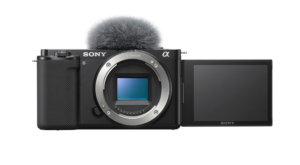
The Sony Alpha ZV-E10 is a powerful yet beginner-friendly mirrorless camera designed specifically for content creators, vloggers, and aspiring photographers who want professional image quality without complex controls. It features a large 24.2-megapixel APS-C Exmor CMOS sensor paired with Sony’s fast BIONZ X processor, delivering sharp details, vibrant colors, and beautiful background blur that elevates both photos and videos.
The camera excels in video performance, offering 4K recording oversampled from 6K with full pixel readout and no pixel binning, ensuring exceptionally detailed footage with minimal noise and moiré effects.
Sony has included several creator-focused features that make shooting easier and more professional. The Product Showcase Setting automatically shifts focus from your face to an object held in front of the camera, making it perfect for product reviews, tutorials, and demonstrations.
A dedicated Background Defocus button lets you instantly switch between a beautifully blurred background and a fully sharp scene without adjusting manual settings; ideal for cinematic visuals on demand. For streamers and remote workers, the ZV-E10 supports easy live streaming using a single USB cable, eliminating the need for capture cards or extra software. This blend of portability, intelligent automation, and professional imaging power makes the ZV-E10 an excellent choice for beginners stepping into high-quality content creation.
Pros
- Large 24.2MP APS-C sensor delivers excellent image quality
- High-quality 4K video oversampled from 6K for sharp footage
- Product Showcase mode perfect for reviews and demonstrations
- One-tap Background Defocus for cinematic blur effects
- Simple plug-and-play live streaming via USB
- Lightweight and portable for travel and daily vlogging
- Interchangeable lens system for creative flexibility
Cons
- Menu system can be complex for first-time users
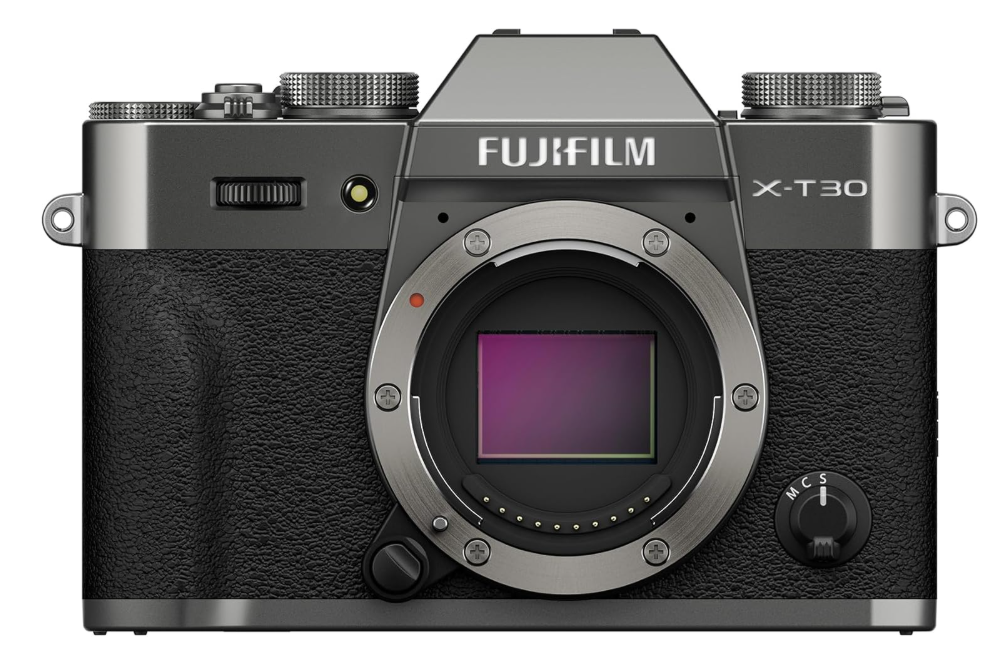
5) FUJIFILM X-T30 III Mirrorless Camera
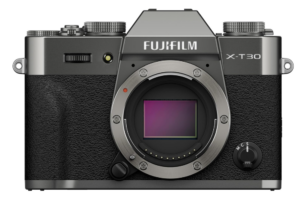
The Fujifilm X-T30 III Mirrorless Camera blends classic design with modern imaging technology, making it a fantastic choice for beginners and enthusiasts who want professional results in a stylish, compact body. Built for ease of use, the camera features an intelligent Auto mode that handles complex settings for you, allowing photographers to stay focused on capturing the moment rather than adjusting controls. Creativity is at the heart of the X-T30 III, offering 20 built-in Film Simulations that replicate Fujifilm’s iconic film stocks, giving users a wide range of artistic color tones and cinematic looks straight out of the camera.
Despite its retro-inspired appearance, the camera delivers cutting-edge performance with AI-powered subject detection autofocus that keeps subjects sharp and clear, even when they are moving unpredictably. Its remarkably compact and lightweight construction makes it ideal for travel, street photography, and everyday carry without sacrificing durability or comfort.
Paired with the versatile FUJINON XC13-33mm F3.5-6.3 OIS kit lens, photographers gain the flexibility to shoot wide landscapes, detailed portraits, and everyday scenes with smooth optical image stabilization for blur-free results. The combination of portability, smart automation, and creative tools makes the X-T30 III an excellent mirrorless camera for those looking to explore photography with both style and substance.
Pros
- Beginner-friendly Auto mode simplifies shooting
- 20 Film Simulations provide rich creative color profiles
- Stylish retro design in a compact, travel-friendly body
- AI-powered autofocus ensures sharp subject tracking
- Versatile kit lens suitable for multiple photography styles
- Optical image stabilization helps reduce blur
- Great balance of portability and performance
Cons
- Grip may feel small for users with large hands
Factors to Consider When Choosing the Best Camera for Professional Photography for Beginners
1. Sensor Size and Image Quality
One of the most important factors to consider is sensor size, as it directly affects image clarity, detail, and low-light performance. Larger sensors capture more light, producing sharper images with better dynamic range and more natural background blur (bokeh). APS-C sensors, found in cameras like the Canon EOS R50, Nikon Z50, and Sony Alpha ZV-E10, offer an excellent balance between professional image quality and affordability, making them ideal for beginners who want room to grow.
2. Autofocus Performance
Fast and accurate autofocus ensures your subject stays sharp, especially when shooting portraits, sports, wildlife, or moving scenes. Modern mirrorless cameras use advanced systems with face, eye, and subject tracking powered by artificial intelligence. Cameras such as the Fujifilm X-T30 III and Canon EOS R100 provide wide autofocus coverage and intelligent subject detection, helping beginners achieve professional-looking results without needing advanced technical skills.
3. Ease of Use and Beginner-Friendly Controls
A camera designed with intuitive menus, guided modes, and automatic shooting options makes learning photography far less overwhelming. Features like Auto Mode, scene recognition, and touchscreens allow beginners to focus on composition and creativity rather than technical settings. User-friendly models help shorten the learning curve while still allowing manual control as skills improve.
4. Lens Compatibility and System Growth
Interchangeable lens capability is essential for professional photography because different lenses serve different purposes; portraits, landscapes, sports, macro, and wildlife all require specialized optics. Choosing a camera system with a wide selection of lenses ensures long-term flexibility. Some cameras also support adapter systems so beginners can use older DSLR lenses while transitioning to mirrorless technology.
5. Portability and Build Quality
Beginner photographers often carry their cameras for travel, events, and outdoor shoots, so weight and durability matter. A compact, lightweight camera is easier to handle for long periods and encourages more frequent use. At the same time, sturdy construction protects the camera from accidental bumps and challenging weather conditions.
6. Video Capabilities for Hybrid Creators
Many beginners today create both photos and videos for social media, YouTube, and client work. Cameras that offer high-resolution 4K recording, slow-motion options, and advanced video autofocus provide greater versatility. Features like oversampled 4K, product showcase modes, and vari-angle screens are especially useful for vloggers and content creators.
7. Low-Light Performance
Shooting in dim environments such as indoor events, concerts, or night scenes requires a camera that handles noise well at higher ISO settings. Cameras with larger sensors and advanced processors produce cleaner images with better color accuracy in low light. This allows beginners to shoot confidently without needing professional lighting equipment.
8. Continuous Shooting Speed
Fast burst shooting is important for capturing action moments like sports, wildlife, and candid expressions. A camera with higher frames-per-second capability increases the chances of getting the perfect shot. This feature is especially useful for beginners exploring dynamic photography styles.
9. Connectivity and Sharing Options
Built-in Wi-Fi and Bluetooth make it easy to transfer photos to smartphones, control the camera remotely, and share images instantly on social media or with clients. Seamless connectivity saves time and improves workflow efficiency, which is valuable for beginners building portfolios or online photography brands.
10. Budget and Value for Money
Beginners should choose a camera that balances affordability with essential professional features. Investing in a reasonably priced camera leaves room in the budget for important accessories like lenses, memory cards, tripods, and lighting. A good beginner camera should offer strong performance today while remaining capable as skills advance.
FAQs
1. What type of camera is best for beginners who want professional-quality photos?
Mirrorless cameras are the best choice for most beginners because they combine professional image quality with lightweight designs and easy-to-use controls. Models like the Canon EOS R50, Nikon Z50, and Sony Alpha ZV-E10 offer large APS-C sensors, advanced autofocus systems, and interchangeable lenses, allowing beginners to capture sharp, detailed images while still having room to grow into more advanced photography techniques.
2. Do beginners need expensive cameras to take professional photos?
No, beginners do not need the most expensive cameras to achieve professional results. Many affordable mirrorless cameras provide excellent image quality, strong low-light performance, and reliable autofocus. Entry-level models such as the Canon EOS R100 and Fujifilm X-T30 III deliver advanced features at a reasonable price, making them ideal for learning photography without overspending. Investing in good lenses and learning camera settings often matters more than buying the most expensive body.
3. Which camera features matter most for beginner photographers?
The most important features include a large sensor for better image quality, fast and accurate autofocus for sharp photos, user-friendly controls for easier learning, and interchangeable lenses for creative flexibility. Helpful extras like in-body stabilization, vari-angle touchscreens, and built-in Wi-Fi for quick sharing also improve the shooting experience. Cameras that balance these features help beginners transition smoothly from automatic shooting to full manual creative control.
Read Also : Best Affordable Camera for Travel
Final Thoughts
Choosing the best camera for professional photography as a beginner doesn’t have to be complicated. With options like the Canon EOS R50, Canon EOS R100, Nikon Z50, Sony Alpha ZV-E10, and Fujifilm X-T30 III, beginners can enjoy a combination of excellent image quality, user-friendly features, and the flexibility to grow into more advanced techniques.
By considering factors such as sensor size, autofocus performance, lens compatibility, low-light capability, and portability, new photographers can confidently select a camera that fits both their creative vision and budget. Investing in the right camera today sets the stage for capturing stunning photos, exploring creative possibilities, and building lasting skills in the exciting world of professional photography.