
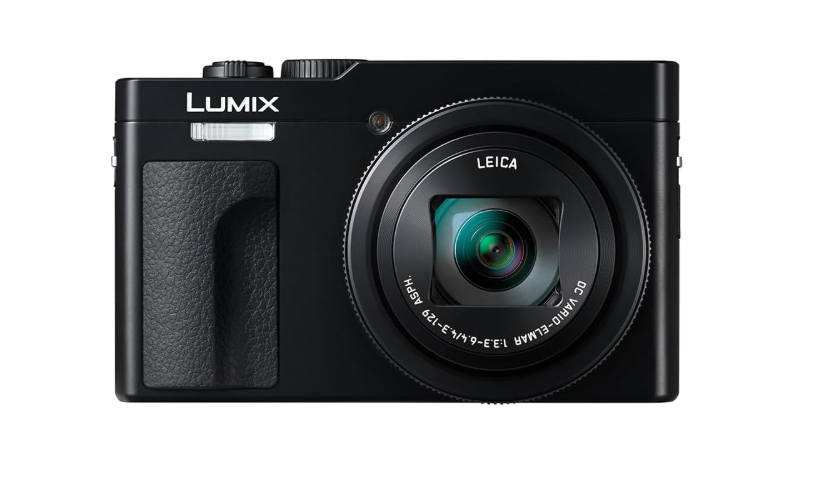
Best Budget Compact Camera for Beginners
1) KODAK PIXPRO FZ45 16MP Digital Camera
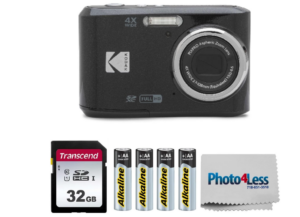
The KODAK PIXPRO FZ45 16MP Digital Camera is an excellent entry-level choice for beginners looking for a simple, affordable, and ready-to-use camera. Designed with ease of use in mind, this compact shooter comes as a complete bundle, including AA batteries, a 32GB SD card, a wrist strap, and a Photo4Less lens cleaning cloth; so you can start capturing moments right out of the box without needing extra accessories.
Its 16MP sensor delivers decent image quality for everyday photography, while the large 2.7-inch LCD screen makes framing shots straightforward and enjoyable, especially for those new to photography. The 27mm wide-angle lens is a standout feature at this price point, allowing you to easily capture group photos, landscapes, and wider scenes without stepping too far back.
For moments that require more than still images, the camera also supports 1080p Full HD video recording, giving you the flexibility to switch between photos and videos effortlessly. With the included SD card, storing and transferring your memories is both convenient and hassle-free, making the FZ45 a practical and beginner-friendly all-in-one package.
Pros
-
Comes as a complete bundle (batteries, SD card, strap, cleaning cloth)
-
Easy to use; perfect for beginners and casual users
-
Large 2.7-inch LCD screen for simple framing
-
27mm wide-angle lens great for group shots and landscapes
-
1080p Full HD video recording
-
Lightweight and portable design
-
Uses AA batteries (easy to replace anywhere)
Cons
-
Basic image quality compared to higher-end compact cameras
2) Canon PowerShot V10 Camera
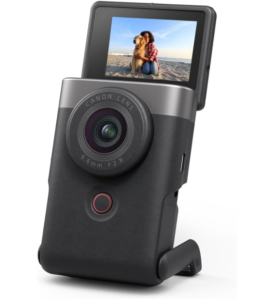
The Canon PowerShot V10 is a compact yet powerful camera designed specifically for beginners and content creators who want high-quality video without the complexity of larger gear. Its sleek, pocket-sized design makes it incredibly portable, allowing you to capture content anytime, anywhere with ease.
Despite its small size, it packs a 15.2MP 1-inch back-illuminated CMOS sensor that performs impressively well in low-light conditions, delivering sharp, vibrant visuals. The retractable front-facing screen makes framing yourself effortless, while built-in subject detection ensures you stay in focus.
Canon has also equipped the V10 with practical connectivity options, including a micro-HDMI output, USB-C charging, and an external mic input for enhanced audio control. One of its standout features is the innovative built-in stand, which folds both forward and backward, enabling flexible shooting angles and hands-free recording in various environments.
The fixed 19mm wide-angle lens is perfect for vlogging, group shots, and immersive backgrounds, while multiple image stabilization modes help keep your footage smooth. With 4K video recording at up to 30fps, Full HD at 60fps, and 14 creative color filters, the PowerShot V10 offers versatility for storytelling. To top it off, its high-quality stereo microphones with noise reduction ensure your audio is just as clear as your visuals, making it an all-in-one solution for modern creators.
Pros
-
Ultra-compact, pocket-sized design for maximum portability
-
Excellent low-light performance with 1-inch sensor
-
Built-in adjustable stand for hands-free shooting
-
Wide-angle 19mm lens ideal for vlogging and tight spaces
-
4K video recording and Full HD at 60fps
-
Multiple image stabilization modes for smoother footage
-
High-quality stereo microphones with noise reduction
-
External mic input for better audio flexibility
-
Flip (front-facing) screen for easy self-recording
Cons
-
Fixed lens (no zoom capability)
3) Sony ZV-1
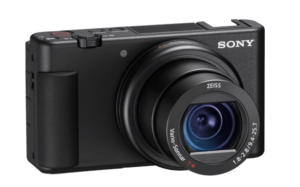
The Sony ZV-1 is one of the most powerful compact cameras for beginners and content creators who want professional-quality results in a pocket-sized body. At its core is a 20.1MP 1-inch stacked Exmor RS CMOS sensor with DRAM, which delivers outstanding image quality, excellent dynamic range, and impressive low-light performance. Paired with a bright 24–70mm F1.8–2.8 ZEISS Vario-Sonnar T lens, the ZV-1 offers both sharp detail and beautiful background blur, making it perfect for portraits, vlogging, and everyday shooting.
The camera’s fast Hybrid Autofocus, including Real-Time Eye Autofocus and subject tracking, ensures your subject stays sharp at all times, while the side flip-out 3.0-inch LCD screen makes composing selfies and videos effortless. Content creators will especially appreciate features like the Background Defocus button for instant bokeh, Product Showcase mode for smooth focus transitions between face and objects, and automatic exposure that keeps faces well-lit.
Video performance is equally impressive, with advanced features like HLG and S-Log profiles for professional color grading. Audio is handled by a forward-directional onboard microphone with a detachable windscreen, plus a 3.5mm mic jack and MI shoe for expanded audio options. With built-in image stabilization to reduce shake; even while walking; and optimized color science for natural skin tones, the Sony ZV-1 stands out as an all-in-one solution for high-quality content creation.
Pros
-
Excellent image quality with 1-inch sensor
-
Bright ZEISS 24–70mm F1.8–2.8 lens for sharp images and strong bokeh
-
Fast and reliable autofocus with Real-Time Eye AF and tracking
-
Flip-out screen perfect for vlogging and selfies
-
Dedicated background defocus (bokeh) button
-
Product Showcase mode ideal for reviews and product demos
-
Strong video features (HLG, S-Log profiles)
-
Great built-in microphone with windscreen
-
External mic support (3.5mm jack + MI shoe)
-
Effective image stabilization for handheld shooting
Cons
- Limited zoom range compared to superzoom cameras
4) Canon PowerShot G7 X Mark III Digital Camera
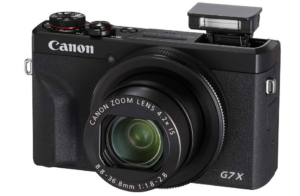
The Canon PowerShot G7 X Mark III Digital Camera is a versatile and powerful compact camera designed for beginners, vloggers, and content creators who want high-quality results without stepping into interchangeable lens systems. It features a 20.1MP 1.0-inch stacked CMOS sensor paired with Canon’s DIGIC 8 image processor, delivering sharp images, excellent color reproduction, and strong low-light performance.
The built-in 24–100mm f/1.8–2.8 lens provides a flexible 4.2x optical zoom range, making it ideal for everything from wide-angle shots to close-up portraits, while the optical image stabilizer helps reduce blur for smoother photos and videos. On the video side, the G7 X Mark III shines with 4K recording at 30fps and Full HD at up to 120fps for slow-motion capture, giving creators plenty of room for creative expression.
It also doubles as a high-quality webcam using Canon’s EOS Utility Webcam software or via clean HDMI output, making it a great tool for live streaming, virtual meetings, and online content creation. Compact yet feature-packed, this camera strikes an excellent balance between portability, performance, and ease of use.
Pros
-
Excellent image quality with 1-inch sensor and DIGIC 8 processor
-
Bright and versatile 24–100mm f/1.8–2.8 zoom lens
-
4K video recording and Full HD 120fps slow motion
-
Optical image stabilization for smoother shots
-
Can be used as a high-quality webcam (USB or HDMI)
-
Compact and travel-friendly design
-
Great for vlogging, YouTube, and live streaming
Cons
-
No interchangeable lenses
5) Panasonic LUMIX ZS99 Point and Shoot Camera
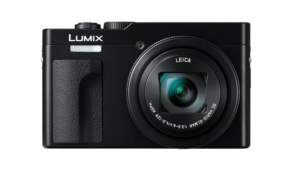
The Panasonic LUMIX ZS99 Point and Shoot Camera is a powerful yet pocket-friendly camera built for beginners and travelers who want versatility without carrying bulky gear. At the heart of this compact shooter is an impressive 24–720mm LEICA lens with 30x optical zoom, allowing you to capture everything from sweeping landscapes to distant subjects with remarkable detail.
Despite its compact size, the ZS99 delivers sharp and vibrant results, especially with its 4K video recording at 30p and 4K Photo mode, which lets you extract high-quality still images from fast-moving scenes at 30fps. For added creativity, it also supports high-speed HD video at 120fps, perfect for smooth slow-motion clips.
The camera is designed for convenience on the go, featuring a bright 1,840k-dot tiltable touchscreen that makes shooting from different angles effortless, whether you’re capturing selfies, street scenes, or overhead shots. With modern USB Type-C charging, you can easily power up anywhere, making it ideal for travel.
Sharing your content is just as simple, thanks to built-in Bluetooth v5.0 and a dedicated Send Image button that quickly transfers your photos and videos to your smartphone via the Panasonic Image App. Overall, the ZS99 strikes an excellent balance between zoom power, portability, and beginner-friendly features.
Pros
-
Powerful 24–720mm LEICA lens with 30x optical zoom
-
Compact, pocket-sized design ideal for travel
-
4K video recording and 4K Photo mode (30fps)
-
High-speed HD video at 120fps for slow motion
-
Tiltable touchscreen for flexible shooting angles
-
USB-C charging for convenience on the go
-
Built-in Bluetooth for easy image sharing
-
Dedicated Send Image button for quick transfers
Cons
-
Smaller sensor limits low-light performance
Factors to Consider When Choosing the Best Budget Compact Camera for Beginners
1. Ease of Use and Beginner-Friendly Controls
For beginners, simplicity is everything. A good compact camera should offer intuitive menus, automatic shooting modes, and minimal setup so you can focus on capturing moments instead of adjusting settings. Cameras like the KODAK PIXPRO FZ45 16MP Digital Camera excel here with their straightforward “point-and-shoot” functionality. Features like a clear LCD screen and simple navigation make it easy to learn photography basics without feeling overwhelmed.
2. Image Quality and Sensor Size
Image quality is largely determined by the camera’s sensor. Larger sensors (like 1-inch sensors found in cameras such as the Sony ZV-1 and Canon PowerShot G7 X Mark III Digital Camera) capture more light, resulting in sharper images, better detail, and improved low-light performance. While smaller sensors are fine for casual use, investing in a slightly larger sensor can make a noticeable difference in your photos and videos.
3. Lens Versatility and Zoom Range
The lens determines how flexible your camera is in different shooting situations. If you enjoy travel or wildlife photography, a powerful zoom lens like the 30x zoom on the Panasonic LUMIX ZS99 Point and Shoot Camera is ideal. On the other hand, cameras with shorter zoom ranges but wider apertures (like f/1.8–2.8) are better for portraits and low-light shots. Beginners should choose based on whether they prioritize zoom reach or image quality.
4. Video Capabilities
If you plan to create content for YouTube, TikTok, or social media, video performance is crucial. Look for cameras that offer at least 1080p Full HD, though 4K video is becoming the standard in models like the Canon PowerShot V10 and Sony ZV-1. Additional features such as slow motion, stabilization, and creative filters can enhance your content and give you more creative control.
5. Portability and Design
One of the biggest advantages of compact cameras is their portability. A lightweight, pocket-sized design ensures you can carry your camera everywhere, increasing your chances of capturing great moments. Cameras like the Canon PowerShot V10 are designed specifically for on-the-go creators, while others balance portability with added features like zoom lenses or built-in stands.
6. Stabilization and Autofocus Performance
Good stabilization and fast autofocus are essential for sharp images and smooth videos. Image stabilization helps reduce blur caused by shaky hands, especially when shooting handheld or in motion. Meanwhile, advanced autofocus systems; like Real-Time Eye Autofocus in the Sony ZV-1; ensure your subject stays in focus, which is particularly helpful for beginners who may not yet master manual focusing.
7. Audio Quality (for Content Creators)
If you’re recording videos, audio quality is just as important as visuals. Cameras with built-in high-quality microphones or external mic inputs offer a significant advantage. For example, the Sony ZV-1 includes a directional microphone and external mic support, making it ideal for vlogging, interviews, and product reviews.
8. Connectivity and Sharing Options
Modern cameras often include Bluetooth or Wi-Fi for quick file transfers to your smartphone. This is especially useful for beginners who want to share photos instantly on social media. The Panasonic LUMIX ZS99 Point and Shoot Camera makes this easy with built-in Bluetooth and a dedicated image transfer feature, streamlining your workflow.
9. Battery Type and Charging Convenience
Battery life and charging options can impact your overall experience. Some budget cameras use AA batteries (like the Kodak FZ45), which are easy to replace anywhere, while others use rechargeable batteries with USB-C charging for convenience. If you travel often, USB charging can be a major advantage.
10. Value for Money and Included Accessories
Finally, consider what you’re getting for the price. Some cameras come as bundles with essential accessories like memory cards, batteries, and straps; adding extra value for beginners. The Kodak Pixpro FZ45 bundle, for example, includes everything you need to start shooting immediately, making it a cost-effective option.