
Choosing the best camera for jewelry photography is essential for capturing the fine details, brilliance, and craftsmanship that make each piece unique. From the sparkle of gemstones to the subtle textures of precious metals, jewelry requires a camera that delivers high resolution, excellent dynamic range, and accurate color reproduction.
Modern options like the Sony A7 IV, Sony A7R V, Canon EOS 5D Mark IV, Nikon Z7 II, and Fujifilm GFX50S II offer powerful sensors and advanced processing capabilities that make them ideal for this type of detailed work.
However, selecting the right camera goes beyond megapixels; it also involves considering lens compatibility, autofocus precision, and overall workflow. With the right combination of camera, macro lens, and lighting setup, even small jewelry pieces can be transformed into stunning, professional-quality images.
Best Camera for Jewelry Photos
1) Sony Alpha 7 IV
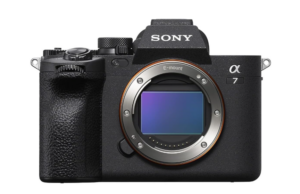
The Sony Alpha 7 IV is a powerful hybrid full-frame mirrorless camera designed for both photographers and videographers who demand high-quality results in every shot. It features a 33MP full-frame Exmor R back-illuminated CMOS sensor, delivering exceptional detail, clarity, and low-light performance; perfect for capturing intricate textures like jewelry, portraits, or landscapes. At its core is the next-generation BIONZ XR image processing engine, which is up to 8x more powerful, ensuring faster performance, improved autofocus, and superior image quality.
For video creators, the camera excels with 4K 60p 10-bit 4:2:2 recording, offering rich color depth and smooth motion, while 7K oversampling for 4K 30p ensures incredibly sharp, detailed footage without pixel binning. Color grading is made easier with the S-Cinetone color profile, which produces beautiful, cinematic tones straight out of the camera. Built to perform in a variety of environments, it operates reliably within a temperature range of 0 to 40°C, making it suitable for both indoor studio work and outdoor shoots.
Pros
- Excellent 33MP full-frame sensor for high-detail images
- Powerful BIONZ XR processor for speed and performance
- Stunning 4K video quality (10-bit 4:2:2)
- 7K oversampling enhances sharpness in 4K footage
- S-Cinetone color profile delivers cinematic colors with minimal editing
- Strong hybrid capability for both photo and video creators
Cons
- Can be expensive for beginners
2) Sony Alpha 7R V
The Sony Alpha 7R V sets a new benchmark for high-resolution photography and intelligent performance, making it an exceptional choice for professionals who demand precision and detail. At its core is a 61.0MP full-frame back-illuminated Exmor R CMOS sensor with a 3:2 aspect ratio, delivering breathtaking image quality with incredible sharpness and dynamic range; ideal for detailed work like jewelry, product, and studio photography.
What truly sets this camera apart is its new AI processing unit, which powers next-generation Real-time Recognition autofocus, using deep learning AI to track subjects with remarkable accuracy and consistency. Combined with the advanced BIONZ XR engine, which boosts processing speed by up to 8x, the camera delivers fast performance, responsive handling, and efficient workflow.
For video creators, the Alpha 7R V offers outstanding filmmaking capabilities, including 8K 24p/25p and 4K 60p (50p) recording, ensuring ultra-high-resolution footage with rich detail and cinematic quality.
Pros
- Ultra-high 61MP resolution for unmatched detail and clarity
- Advanced AI-powered autofocus with real-time subject recognition
- Fast and efficient performance with BIONZ XR processor (8x boost)
- Excellent 8K and 4K video capabilities
- Superb image quality with wide dynamic range
- Ideal for professional studio and product photography
Cons
- Very expensive, geared toward professionals
3) Canon EOS 5D Mark IV Digital SLR Camera
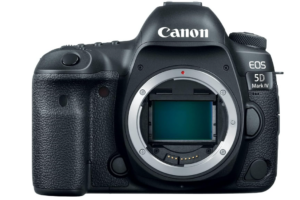
The Canon EOS 5D Mark IV Digital SLR Camera is a professional-grade workhorse that combines high-resolution imaging with powerful performance, making it a favorite among photographers and videographers alike. It features a 30.4MP full-frame CMOS sensor, delivering exceptional image quality with rich detail, accurate colors, and strong low-light performance; ideal for everything from portraits to product photography.
Powered by the DIGIC 6+ image processor, the camera ensures fast operation, reduced noise, and continuous shooting speeds of up to 7 fps, allowing you to capture action with precision. For video, it supports 4K Motion JPEG recording at 30 or 24 fps, along with Full HD up to 60 fps and HD up to 120 fps, giving creators flexible shooting options.
The Dual Pixel CMOS autofocus system provides smooth, responsive focusing in live view and video modes, enhanced by a full touchscreen LCD for intuitive control and focus selection. Additionally, built-in Wi-Fi connectivity makes it easy to transfer files, control the camera remotely, and share images instantly via the Canon Camera Connect app.
Pros
- Excellent 30.4MP full-frame image quality
- Reliable DIGIC 6+ processor for speed and performance
- Smooth and accurate Dual Pixel autofocus system
- Strong 4K video capabilities with multiple frame rate options
- 7 fps continuous shooting for action photography
- Convenient built-in Wi-Fi for easy sharing and remote control
Cons
- Heavy and bulky compared to mirrorless cameras
4) Nikon Z 7II
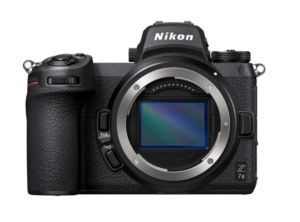
The Nikon Z 7II is a high-resolution mirrorless camera built for photographers who demand precision, speed, and versatility in every shot. At its core is a 45.7MP full-frame sensor, delivering stunning detail and clarity where every little nuance matters; making it an exceptional tool for high-end photography such as jewelry, studio, and landscape work. Paired with enhanced autofocus performance, the camera ensures fast and precise subject acquisition, while a 3.3x larger buffer capacity and faster continuous shooting allow you to capture more frames without interruption.
Designed with usability in mind, the Z 7II offers an intuitive, comfortable, and durable build, making it ideal for long shooting sessions. It also features dual card slots (CFexpress/XQD and UHS-II SD), providing flexibility and peace of mind for professionals working on critical assignments. For video creators, the camera supports 4K UHD 60p recording, delivering smooth, high-quality footage with the option to slow it down in post-production.
Additional features like USB-C constant power and charging ensure uninterrupted shooting during livestreams or extended sessions, while compatibility with NIKKOR Z lenses and approximately 360 F-mount lenses (via FTZ adapter) expands creative possibilities. With support for a vertical battery grip, the Z 7II is also optimized for portrait shooting and extended power needs.
Pros
- High-resolution 45.7MP sensor for exceptional detail
- Improved autofocus performance with fast subject acquisition
- Larger buffer capacity (3.3x) for extended shooting
- Dual card slots for flexibility and backup
- Excellent 4K UHD 60p video capabilities
- Comfortable and durable design for professional use
- Wide lens compatibility (Z mount + F-mount via adapter)
- USB-C charging and power delivery for long sessions
Cons
- Premium price point for high-resolution category
5) Fujifilm GFX50S II
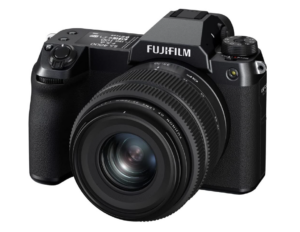
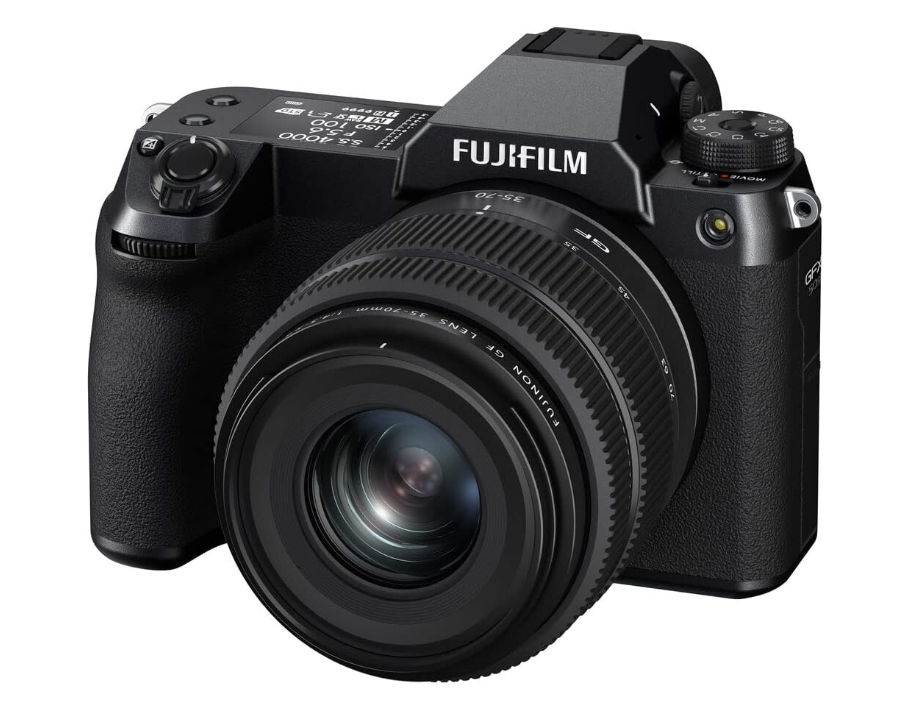
The Fujifilm GFX50S II is an entry point into the world of large-format photography, offering an impressive balance of accessibility, performance, and image quality. At its heart is a 51.4MP large format sensor, delivering stunning detail, ultra-wide dynamic range, and minimal noise; making it ideal for professional applications like jewelry, product, and fine art photography.
Designed as a gateway to medium format, it pairs seamlessly with lenses like the GF35-70mm, creating a relatively affordable yet powerful system. Fujifilm’s renowned color science shines through with 19 Film Simulation modes, allowing photographers to create rich, emotionally engaging images straight out of the camera.
The camera is powered by the X-Processor 4 engine, which enhances performance, including faster sensor readout speeds and improved autofocus with reliable face and eye detection.
One of the standout features is the redesigned in-body image stabilization (IBIS) system, which is 20% smaller and 10% lighter than its predecessor yet delivers up to 6.5 stops of five-axis stabilization. This enables sharp handheld shooting even in low-light conditions without the need for a tripod.
Despite being a large-format camera, the GFX50S II remains highly portable, weighing just 900g, with an ergonomic grip and intuitive controls like the PASM dial, top-plate LCD, and refined focus lever for a familiar shooting experience. Its responsive autofocus system, combined with stabilization, ensures consistent performance across various shooting scenarios.
Backed by over 85 years of Fujifilm’s expertise in color and imaging, and compatibility with a growing range of G Mount lenses, this camera is built to meet the demands of creators seeking the highest level of image quality.
Pros
- Stunning 51.4MP large format sensor with exceptional detail
- Outstanding dynamic range and low noise performance
- 6.5 stops IBIS for sharp handheld shooting
- Beautiful color science with 19 Film Simulations
- Improved autofocus performance with face and eye detection
- Ergonomic, lightweight design (900g) for a medium format camera
- Wide compatibility with high-quality G Mount lenses
Cons
- Medium format lenses can be expensive
Factors to Consider When Choosing the Best Camera for Jewelry Photos
1. Sensor Resolution
When photographing jewelry, every tiny detail matters; from gemstone cuts to metal textures. A camera with high resolution (typically 30MP and above) allows you to capture intricate details with exceptional clarity. Cameras like the Sony A7R V (61MP) or Nikon Z7 II (45.7MP) excel in this area, making them ideal for professional product photography where images may need to be cropped or enlarged without losing quality.
2. Sensor Size (Full-Frame vs Medium Format)
Sensor size plays a huge role in image quality, dynamic range, and depth. Full-frame sensors offer excellent performance, but medium format cameras like the Fujifilm GFX50S II take it further with superior detail, smoother tonal transitions, and wider dynamic range. This is especially useful in jewelry photography where preserving highlights and reflections is critical.
3. Macro Capability and Lens Compatibility
A camera alone isn’t enough; you need a good macro lens to capture close-up shots of small jewelry pieces. Choosing a camera system with access to high-quality macro lenses (such as Sony E-mount, Canon RF/EF, Nikon Z, or Fujifilm G mount) ensures you can shoot sharp, detailed close-ups without distortion. Lens compatibility also determines your flexibility as your photography skills grow.
4. Autofocus Performance
Precise autofocus is essential when working with small subjects like rings or earrings. Advanced systems with eye detection and subject recognition AI, such as those found in the Sony A7R V or Nikon Z7 II, help lock focus accurately on tiny details. While jewelry photography is often done on a tripod, reliable autofocus still speeds up workflow and improves consistency.
5. Image Processing Engine
A powerful image processor, like Sony’s BIONZ XR or Canon’s DIGIC 6+, enhances overall camera performance. It improves image quality, reduces noise, speeds up shooting, and ensures accurate color reproduction. This is particularly important when capturing reflective surfaces like gold and diamonds, where color accuracy and detail are crucial.
6. Dynamic Range and Low-Light Performance
Jewelry photography often involves controlled lighting, but cameras with strong dynamic range help retain detail in both highlights and shadows. This prevents blown-out reflections or overly dark areas. Cameras with back-illuminated sensors (like Sony’s Exmor R) or large-format sensors (like Fujifilm GFX) excel in preserving these details.
7. In-Body Image Stabilization (IBIS)
IBIS is useful for reducing camera shake, especially when shooting handheld or using slower shutter speeds. Cameras like the Fujifilm GFX50S II offer up to 6.5 stops of stabilization, allowing for sharper images even without a tripod. While most jewelry photography is tripod-based, IBIS adds flexibility for creative or on-the-go shooting.
8. Video Capabilities (Optional but Valuable)
If you plan to create product videos or social media content, video features matter. Cameras like the Sony A7 IV and A7R V offer 4K and even 8K recording, with high color depth (10-bit 4:2:2), making them excellent for showcasing jewelry in motion. This is especially useful for eCommerce and marketing.
9. Build Quality and Ergonomics
Comfort and usability are often overlooked but important, especially during long shoots. Cameras with intuitive controls, solid build quality, and ergonomic grips (like the Nikon Z7 II or Fujifilm GFX50S II) make the shooting process smoother and more efficient.
10. Connectivity and Workflow Features
Built-in Wi-Fi, USB-C charging, and dual card slots can significantly improve your workflow. Features like wireless file transfer and backup storage (as seen in cameras like the Canon 5D Mark IV and Nikon Z7 II) ensure your images are सुरक्षित and easily accessible for editing and sharing.
11. Budget and System Cost
Finally, consider not just the camera body but the entire ecosystem; lenses, lighting, and accessories. While high-end cameras like the Sony A7R V or Fujifilm GFX50S II offer incredible quality, even more affordable options like the Sony A7 IV or Canon EOS 5D Mark IV can produce professional results when paired with the right lens and lighting setup.