
Table of Contents
ToggleFinding a bird in the distance is exciting, but seeing its intricate feather patterns, vivid colors, and unique markings clearly can be even more rewarding. The best compact spotting scope for birding gives you the extra reach needed to observe distant and nearby birds in impressive detail while remaining lightweight enough for hiking, travel, and long days in the field.
From pocket-friendly models such as the Celestron Hummingbird ED 56mm and Hawke Nature Trek 9-27×56 to more powerful options like the Vortex Diamondback HD 16-48×65 and Celestron Ultima 18-55×65, these scopes combine useful magnification, quality optics, close-focus capability, and rugged weather protection.
Whether you’re a beginner exploring local birdlife or an experienced birder searching for distant species, choosing the right compact spotting scope can make every observation sharper, clearer, and more memorable.
Best Compact Spotting Scope for Birding
1) Celestron 52310 Hummingbird Micro Spotting Scope
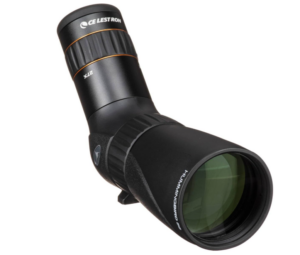
The Celestron 52310 Hummingbird Micro Spotting Scope is an excellent option for birders who want a powerful yet highly portable spotting scope. As the world’s first micro spotting scope, it is compact enough to fit easily into a vest or coat pocket, cargo pants, or a shoulder bag, making it ideal for hiking, travel, and outdoor birdwatching. It features a 9-27x magnification range, giving birders the flexibility to scan wider areas at lower magnification and zoom in on distant birds when needed.
The comfortable 45° viewing angle provides a natural viewing position, while the 10-foot close-focus distance allows you to observe nearby birds and wildlife. For extended or long-distance viewing, the scope can be mounted on a tripod for improved stability and comfort. Its durable, fully waterproof construction is designed to withstand bumps and jolts, wet or humid weather, and other outdoor challenges, making it a reliable companion for birding in a variety of environments.
Pros
- Extremely compact and portable
- Fits easily in a pocket or shoulder bag
- 9-27x magnification range
- Comfortable 45° viewing angle
- 10-foot close-focus distance
- Tripod adaptable
- Fully waterproof construction
- Durable for outdoor use
Cons
- Smaller objective size may be less effective in low-light conditions than larger scopes
2) Celestron Hummingbird ED 56mm Angled Micro Spotting Scope
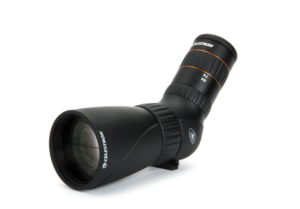
The Celestron Hummingbird ED 56mm Angled Micro Spotting Scope is a compact and highly portable option for birders who want spotting-scope performance without the bulk of a traditional model. It can easily be carried in a vest or coat pocket, belt pack, or shoulder bag, making it particularly convenient for hiking, travel, and birding in the field. Its ED lens optical system is designed to deliver sharp, clear images with vivid and well-managed color, helping birders distinguish fine details and identify species more easily.
The 9-27x magnification range bridges the gap between binoculars and conventional spotting scopes, providing a wide field of view for locating birds at lower power while offering additional reach when needed. Its 10-foot (3m) close-focus distance is especially useful for birding, allowing you to observe relatively nearby subjects as well as distant wildlife.
The scope is also waterproof and nitrogen-filled, providing protection against wet weather, humidity, and other challenging outdoor conditions. Adding further peace of mind, Celestron backs the scope with a Limited Lifetime U.S. Warranty and U.S.-based expert technical support, making it a dependable choice for birders who value both portability and long-term support.
Pros
- Extremely compact and easy to carry
- Fits in pockets, belt packs, and shoulder bags
- ED optics provide sharp, clear images
- Delivers vivid, well-managed color
- Useful 9-27x magnification range
- Excellent 10-foot close-focus distance for birding
- Waterproof and nitrogen-filled construction
- Limited Lifetime U.S. Warranty
- U.S.-based expert technical support
Cons
- Compact design may provide less light-gathering capability than larger spotting scopes
3) Hawke Nature Trek 9-27×56 Compact Spotting Scope
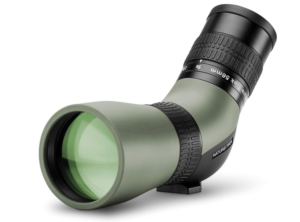
The Hawke Nature Trek 9-27×56 Compact Spotting Scope is a lightweight and portable option for birders who need reliable magnification without the bulk of a full-size spotting scope. Its ultra-compact and lightweight construction makes it easy to carry during hiking, travel, and extended birdwatching sessions. The scope features fully multi-coated optics designed to produce sharp, detailed images, while the BAK-4 Porro prisms help deliver intense color and contrast for clearer views of birds and wildlife.
Its 9-27x magnification range provides flexibility for scanning wider areas and zooming in on distant subjects, while the impressive 8.2-foot (2.5m) close-focus distance allows you to observe fine details on nearby birds and wildlife. The scope is also nitrogen purged, making it water and fog proof and well suited to changing outdoor conditions. Overall, the Hawke Nature Trek is a practical choice for birders who prioritize portability, close focusing, and dependable optical performance.
Pros
- Ultra-compact and lightweight design
- Easy to carry for hiking and travel
- Fully multi-coated optics for sharp images
- 9-27x magnification range
- Excellent 8.2-foot close-focus distance
- BAK-4 Porro prisms provide strong color and contrast
- Nitrogen purged for water and fog resistance
- Well suited to outdoor birding
Cons
- Maximum 27x magnification may be limiting for very distant birds
4) Vortex Diamondback HD Spotting Scope 16-48×65 Angled
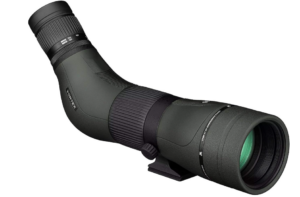
The Vortex Diamondback HD Spotting Scope 16-48×65 Angled is a versatile and durable spotting scope designed for birding, wildlife observation, and long-distance viewing, especially when optical performance in challenging lighting is important. Its HD optical system delivers exceptional resolution while reducing chromatic aberration and providing excellent color fidelity, edge-to-edge sharpness, and light transmission.
Multiple anti-reflective coatings on all air-to-glass surfaces further enhance light transmission, helping the scope perform well in low-light conditions. The redesigned exterior features a streamlined profile for easier handling, while the built-in helical focus wheel allows for fast and precise focusing adjustments. Adjustable eyecups twist up and down for comfortable viewing with or without eyeglasses, while the built-in sunshade helps reduce glare and protects the objective lens from rain and snow.
The scope is tripod adaptable, supporting both Arca-Swiss tripod heads and standard 1/4-20 threaded mounts, as well as car window mounts. Its O-ring sealed and argon-purged construction provides waterproof and fogproof performance, while Armortek lens coatings protect against oil, scratches, and dirt. Rubber armor adds durability and improves grip. Vortex also backs the scope with its unlimited, unconditional, lifetime VIP Warranty, offering repair or replacement for damaged or defective products, although loss, theft, deliberate damage, and cosmetic damage that does not affect performance are excluded.
Pros
- Excellent 16-48x magnification range for long-distance viewing
- 65mm objective provides strong light-gathering capability
- HD optical system delivers sharp, detailed images
- Excellent color fidelity and edge-to-edge sharpness
- Reduced chromatic aberration
- Multiple anti-reflective coatings improve light transmission
- Built-in helical focus wheel allows fast, precise adjustments
- Adjustable eyecups accommodate users with or without eyeglasses
- Built-in sunshade reduces glare and protects the objective lens
- Arca-Swiss and 1/4-20 tripod compatibility
- Waterproof and fogproof construction
- Armortek coatings protect lenses from scratches, oil, and dirt
- Durable rubber armor provides a secure grip
- Backed by Vortex’s transferable lifetime VIP Warranty
Cons
- Larger and heavier than ultra-compact spotting scopes
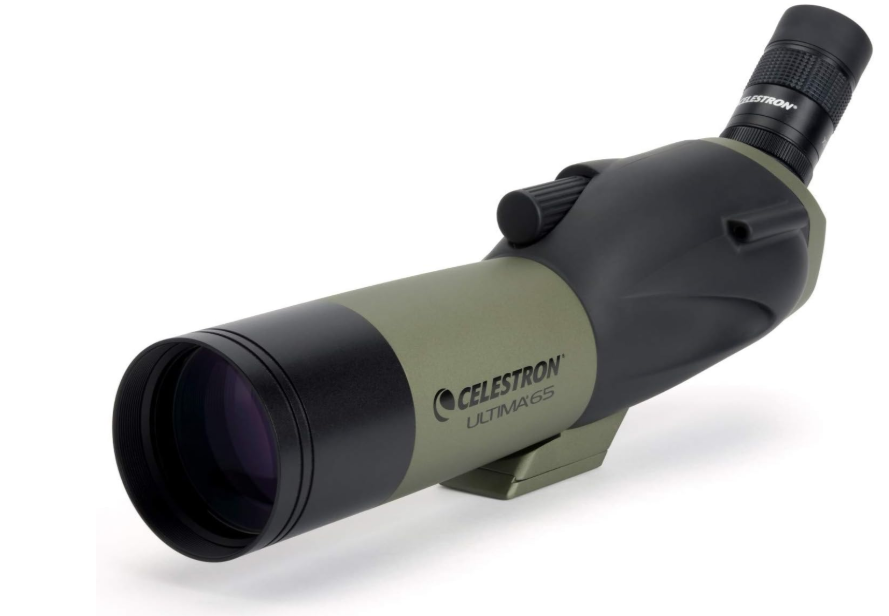
5) Celestron Ultima 18-55×65 Angled Spotting Scope
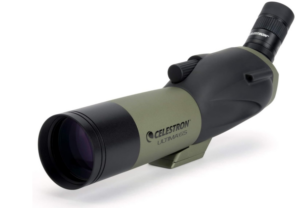
The Celestron Ultima 18-55×65 Angled Spotting Scope is a versatile all-around scope designed for birding, nature observation, and long-distance viewing. Its 65mm objective lens, powerful 18-55x zoom range, and comfortable 45° angled viewing design provide excellent flexibility when observing distant birds and wildlife. The scope features fully multi-coated optics, with multiple anti-reflective coatings applied to every lens surface to improve brightness, color, and contrast, helping produce sharper and brighter images even in dim lighting conditions.
Its large focus dial makes it easy to bring subjects into sharp focus quickly, while the powerful 18-55x zoom eyepiece allows you to move from general observation to detailed views of distant subjects. The Ultima 65 also comes with several useful accessories, including a soft carrying case, extended tripod mounting plate, zoom eyepiece with an integrated T-adapter for digiscoping, eyepiece pouch, and lens cloth. Celestron further provides a Limited Lifetime U.S. Warranty and U.S.-based expert technical support, giving users added confidence in their purchase.
Pros
- Versatile 18-55x magnification range
- Large 65mm objective lens for better light gathering
- Comfortable 45° angled viewing design
- Fully multi-coated optics
- Produces bright, sharp images with good color and contrast
- Large focus dial enables quick and precise focusing
- Excellent for birding, nature observation, and long-distance viewing
- Integrated T-adapter supports digiscoping
- Includes useful carrying and viewing accessories
- Limited Lifetime U.S. Warranty
- U.S.-based expert technical support
Cons
- Larger and less portable than compact spotting scopes
Factors to Consider When Choosing the Best Compact Spotting Scope for Birding
1. Magnification Range
Magnification is one of the most important factors when choosing a compact spotting scope for birding. A scope with a flexible zoom range, such as 9-27x or 11-33x, allows you to locate birds at lower magnification and then zoom in for closer views and identification. Higher magnification, such as 18-55x, is useful for observing birds at greater distances, but it can make finding fast-moving subjects more difficult and may require a tripod for steady viewing.
2. Objective Lens Size
The objective lens determines how much light the spotting scope can collect and has a major effect on image brightness. Compact birding scopes commonly use objectives around 50-56mm, offering a good balance between optical performance and portability. Larger objectives, such as the 65mm lens on the Vortex Diamondback HD and Celestron Ultima, generally provide better light-gathering ability, particularly in low-light conditions, but they add weight and bulk.
3. Optical Quality
Good optical quality is essential for identifying fine details such as feather patterns, colors, and markings. Look for scopes with ED or HD optical systems, fully multi-coated lenses, and quality prisms such as BAK-4. These features can improve sharpness, contrast, color fidelity, and light transmission while reducing chromatic aberration. For serious birding, investing in better optics can make a noticeable difference, particularly when viewing birds in difficult lighting.
4. Close-Focus Distance
A short close-focus distance is particularly valuable for birding because birds are not always far away. A scope that can focus at around 8-10 feet allows you to observe nearby birds and wildlife in greater detail. For example, the Hawke Nature Trek focuses as close as 8.2 feet, while the Celestron Hummingbird models offer a 10-foot close focus, making them well suited to birders who frequently encounter subjects at relatively short distances.
5. Portability and Weight
Since birders often hike, travel, or spend several hours outdoors, the size and weight of a spotting scope are important considerations. A truly compact model should be easy to carry in a vest, coat pocket, belt pack, or shoulder bag. Models such as the Celestron Hummingbird and Hawke Nature Trek prioritize portability, while larger 65mm scopes offer more optical capability but require more space and weight to carry.
6. Viewing Angle
An angled spotting scope can provide a more comfortable viewing position, especially during prolonged birdwatching sessions. A 45-degree viewing angle, such as that found on several Celestron models, allows you to observe subjects without bending your neck as much. Angled scopes can also be easier to share between users of different heights when mounted on a tripod.
7. Waterproof and Fogproof Construction
Birding often takes place in unpredictable weather, so weather resistance is another important consideration. Waterproof and fogproof construction helps protect the internal optics from rain, humidity, and condensation. Features such as nitrogen or argon purging and sealed construction provide additional protection when birding in wet or humid environments.
8. Focusing System
A responsive and precise focusing system is essential when observing birds because they can move out of view quickly. Look for a scope with a smooth focus mechanism that allows both quick and fine adjustments. The built-in helical focus wheel on the Vortex Diamondback HD, for example, is designed to make it easier to achieve precise focus quickly when tracking wildlife.
9. Tripod Compatibility
Even a lightweight spotting scope can become difficult to hold steadily at higher magnifications. Tripod compatibility is therefore important if you plan to spend long periods observing birds or regularly use high magnification. Some scopes also support different mounting systems, such as Arca-Swiss and 1/4-20 threads, giving you greater flexibility when choosing a tripod or other mounting system.
10. Durability
A compact spotting scope intended for outdoor birding should be able to withstand the rigors of regular field use. Look for rubber armor, protective lens coatings, waterproof construction, and rugged housing. Features such as Armortek coatings can help protect lenses from scratches, dirt, and oil, while rubber armor can improve grip and provide additional protection against accidental bumps.
11. Eye Relief and Eyecup Design
If you wear eyeglasses while birding, eye relief and eyecup design become particularly important. Adjustable or twist-up eyecups allow you to position your eyes comfortably and can help provide a full field of view whether you are wearing glasses or not. A comfortable viewing setup is especially important when using the scope for extended periods.
12. Warranty and Customer Support
A good warranty can provide valuable protection when investing in a spotting scope. Brands such as Vortex and Celestron offer strong warranty and customer-support programs on the models discussed above. Consider the length and coverage of the warranty, as well as whether repairs or technical support are readily available. A reliable warranty can make a more expensive scope a better long-term investment.
FAQs
1. What magnification is best for a compact spotting scope for birding?
A 9-27x or 11-33x magnification range is ideal for most birding situations because it provides a wide enough field of view to locate birds while offering enough zoom to examine details from a distance. Higher magnification, such as 18-55x, can be useful for distant birds but may require a tripod for stable viewing.
2. What objective lens size is best for a compact birding spotting scope?
A 50-56mm objective lens offers an excellent balance between portability, brightness, and optical performance for birding. Larger 65mm objectives, such as those found on the Vortex Diamondback HD and Celestron Ultima, can provide better light gathering in low-light conditions but are generally heavier and less compact.
3. Is a compact spotting scope better than binoculars for birding?
A compact spotting scope can be better than binoculars when you need higher magnification and greater detail at longer distances. However, binoculars are usually lighter and easier to use for quickly locating moving birds. For serious birders, using binoculars for scanning and a compact spotting scope for detailed long-distance viewing can provide the best combination.
Read Also : Best Lightweight Spotting Scope for Birding
Final Thoughts
Choosing the best compact spotting scope for birding comes down to finding the right balance between portability, optical quality, magnification, and durability. Compact models such as the Celestron Hummingbird ED 56mm and Hawke Nature Trek 9-27×56 are excellent choices for birders who prioritize lightweight designs and easy carrying, while the Vortex Diamondback HD 16-48×65 and Celestron Ultima 18-55×65 offer greater magnification and light-gathering capability for demanding long-distance viewing.
Features such as ED or HD optics, close-focus performance, waterproof construction, comfortable viewing angles, and tripod compatibility can further improve your birding experience. Ultimately, the ideal scope depends on your birding style, typical viewing distances, and how much weight you are willing to carry, but a well-chosen compact spotting scope can bring distant birds closer and make every birding adventure more enjoyable.