
Table of Contents
ToggleStreet photography is all about capturing authentic moments as they unfold, and you don’t need to spend a fortune to own a camera capable of producing stunning results. Today, there are plenty of excellent cameras available for under $500 that combine outstanding image quality, fast autofocus, compact designs, and reliable performance, making them perfect for documenting everyday life, travel adventures, and spontaneous urban scenes.Whether you’re a beginner looking to take your first steps beyond smartphone photography or an enthusiast searching for an affordable upgrade, there’s a budget-friendly camera to match your style and skill level.
In this guide, we’ve rounded up the best street photography cameras under $500, highlighting their standout features, strengths, and value to help you choose the perfect companion for capturing life’s most unforgettable moments. While finding an affordable body is essential for beginners, if you want to explore advanced lens choices and tactical settings optimized specifically for busy concrete environments, read our deeper tactical breakdown of the best cameras for urban photography.
Here is a summary of the Best Street Photography Camera under $500;
- Sony a6000 – Best Overall Street Photography Camera Under $500
- Olympus OM-D E-M10 Mark III – Best for Image Stabilization
- Nikon D3500 – Best Budget DSLR
- Sony NEX-6 – Best Value Mirrorless Camera
- Canon EOS R100 – Best Entry-Level Mirrorless Camera
- Nikon Z50 – Best for Fast Autofocus and Action
- Panasonic LUMIX G100 – Best for Content Creators and Vlogging
Best Street Photography Camera under $500
1) Sony a6000
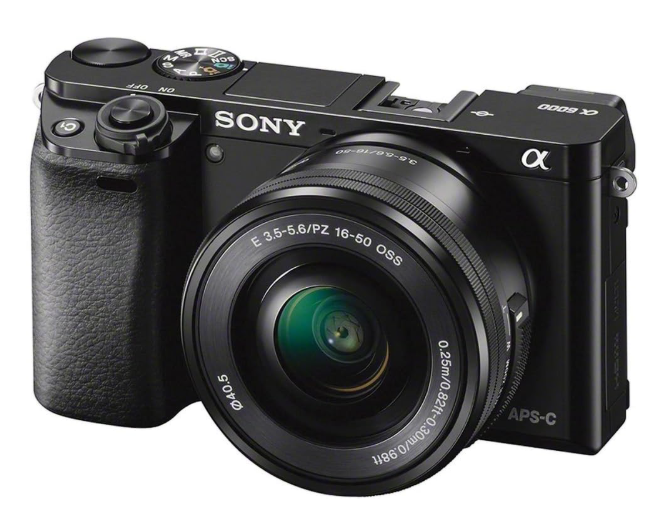
The Sony a6000 remains one of the best budget-friendly mirrorless cameras for street photography, travel, and everyday shooting thanks to its impressive speed, excellent image quality, and compact design. Equipped with a 24.2MP back-illuminated APS-C image sensor, the camera captures highly detailed images with vibrant colors and impressive dynamic range.
Its ISO range of 100–25,600, expandable to 51,200, allows photographers to confidently shoot in a wide variety of lighting conditions, from bright daylight to dimly lit streets. Compatible with Sony’s extensive lineup of E-mount lenses, the a6000 offers exceptional versatility, making it suitable for landscapes, portraits, street photography, and even wildlife.
Performance is where the Sony a6000 truly shines. Featuring a Hybrid Autofocus system that combines 179 focal-plane phase-detection points with 25 contrast-detection points, the camera locks onto subjects quickly and accurately, even when photographing fast-moving people or action scenes. It also boasts an impressive continuous shooting speed of up to 11 frames per second, making it easy to capture decisive moments.
The 1200-zone evaluative metering system ensures balanced and accurate exposures across a variety of scenes, while the 0.39-inch electronic viewfinder and 3-inch tilting LCD screen with 921,000 dots provide flexible composition whether shooting at eye level or from creative angles.
The camera also includes an anti-dust system featuring a charge protection coating on the optical filter and an ultrasonic vibration mechanism, helping keep the sensor clean for consistently sharp images. Powered by the included NP-FW50 rechargeable battery, the Sony a6000 delivers up to 360 shots per charge, and the package comes complete with a shoulder strap, eyepiece cup, and Micro USB cable, making it ready to shoot right out of the box.
Pros
- Outstanding 24.2MP APS-C sensor delivers sharp, detailed images.
- Fast Hybrid Autofocus with 179 phase-detection points for reliable subject tracking.
- Shoots up to 11 frames per second for sports, wildlife, and street photography.
- Wide ISO range with expandable sensitivity for excellent low-light performance.
- Compact and lightweight body that’s easy to carry all day.
- Compatible with a large selection of Sony E-mount lenses.
- Tilting LCD screen makes high- and low-angle shooting more convenient.
- High-quality electronic viewfinder provides a clear, real-time shooting preview.
- Effective anti-dust sensor cleaning system reduces maintenance.
- Excellent value for beginners and enthusiasts alike.
Cons
- Battery life of approximately 360 shots is modest compared to some competitors.
2) Olympus E-M10 III
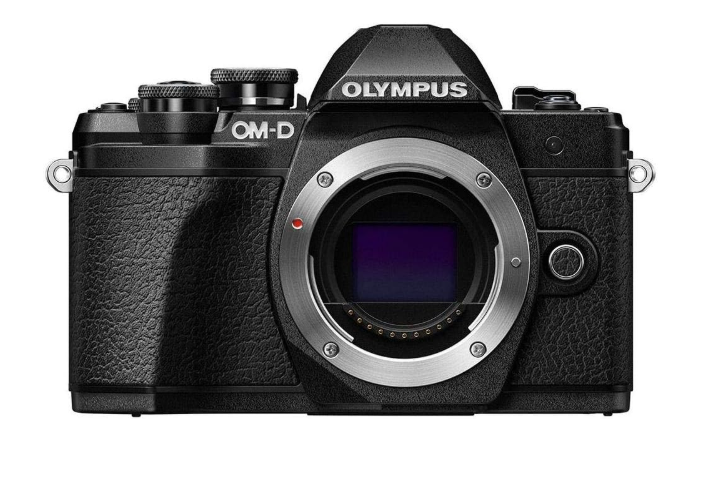
The Olympus OM-D E-M10 Mark III is a stylish and compact mirrorless camera that combines classic design with modern imaging technology, making it an excellent choice for street photographers, travel enthusiasts, and beginners looking to step up from a smartphone or entry-level camera.
At its core is a 16MP Live MOS sensor paired with the powerful TruePic VIII image processor, delivering sharp, vibrant images with accurate colors and impressive detail. While the resolution is lower than some APS-C competitors, the camera’s image quality is more than capable of producing stunning photos for social media, prints, and everyday photography.
One of the standout features of the E-M10 Mark III is its 5-axis in-body image stabilization (IBIS), which effectively minimizes camera shake for blur-free stills and remarkably smooth handheld video. This stabilization system is particularly beneficial when shooting in low light or using slower shutter speeds without a tripod.
The camera also records 4K video at 30fps for crisp, high-resolution footage and offers HD recording at up to 120fps, allowing users to create smooth slow-motion videos. Its compact, lightweight body features a timeless retro-inspired design with intuitive controls, including dual command dials, an arrow pad, and a customizable shortcut button, making it comfortable and enjoyable to operate.
Completing the package is a 3-inch tilting touchscreen LCD, which supports intuitive touch controls, including Touch AF and one-touch shutter release, enabling quick focusing and effortless shooting from creative angles.
Pros
- Excellent 5-axis in-body image stabilization for sharp photos and smooth handheld video.
- Produces vibrant, detailed images with the 16MP Live MOS sensor and TruePic VIII processor.
- Records high-quality 4K video at 30fps.
- Supports 120fps HD recording for creative slow-motion footage.
- Compact, lightweight, and travel-friendly retro-inspired design.
- Intuitive controls with dual command dials for quick exposure adjustments.
- Responsive touchscreen with Touch AF and one-touch shutter release.
- Tilting LCD makes shooting from high and low angles easier.
- Beginner-friendly while offering enough manual controls for enthusiasts.
- Compatible with a wide range of Micro Four Thirds lenses.
Cons
- The 16MP sensor offers less resolution than many competing APS-C cameras.
3) Nikon D3500
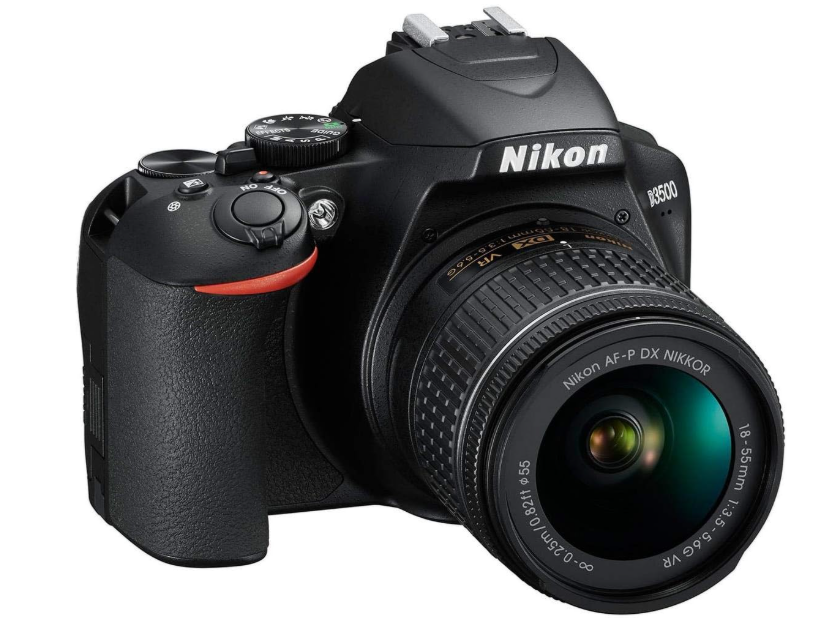
The Nikon D3500 is an entry-level DSLR that offers an excellent balance of simplicity, image quality, and portability, making it an ideal choice for beginners, hobbyists, and travelers. Designed to be as easy to use as a point-and-shoot camera, the D3500 features intuitive controls and a helpful Guide Mode that makes learning photography less intimidating.
Despite its beginner-friendly operation, it delivers professional-looking results thanks to its large APS-C image sensor, which is approximately 15 times larger than the sensors found in most smartphones. This larger sensor captures significantly more light, producing sharper images, richer colors, improved dynamic range, and better low-light performance with beautifully blurred backgrounds.
The camera’s compact and comfortable design makes it easy to carry throughout the day, whether you’re exploring a new city, attending family gatherings, or documenting special events. For users who enjoy sharing their photos instantly, the Nikon D3500 features Bluetooth 4.1 connectivity and works seamlessly with Nikon’s SnapBridge app, allowing images to be transferred automatically to a compatible smartphone or tablet for quick posting on social media or easy backup.
In addition to capturing stunning still photos, the D3500 records 1080p Full HD video with monaural sound at the touch of a dedicated button, making it easy to switch from photography to video recording. Combining excellent image quality, long-lasting performance, and beginner-friendly features, the Nikon D3500 remains one of the best-value DSLR cameras for photographers looking to learn and grow their skills.
If you’re specifically looking for a Nikon camera that is easy to learn with, our guide to the Best Beginner Nikon Camera compares additional Nikon options for new photographers.
Pros
- Beginner-friendly design with simple controls and Guide Mode.
- Large APS-C image sensor delivers sharp, detailed photos with excellent image quality.
- Significantly better low-light performance than most smartphones.
- Compact and lightweight DSLR that’s comfortable to carry for travel and everyday use.
- Bluetooth 4.1 connectivity with Nikon SnapBridge for easy wireless photo sharing.
- Records crisp 1080p Full HD video with a dedicated video record button.
- Comfortable grip provides stable handling during extended shooting sessions.
- Excellent battery life compared to most mirrorless cameras.
- Compatible with Nikon’s extensive range of F-mount lenses.
- Outstanding value for first-time DSLR users.
Cons
- Video recording is limited to Full HD (1080p) with no 4K support.
4) Sony NEX-6
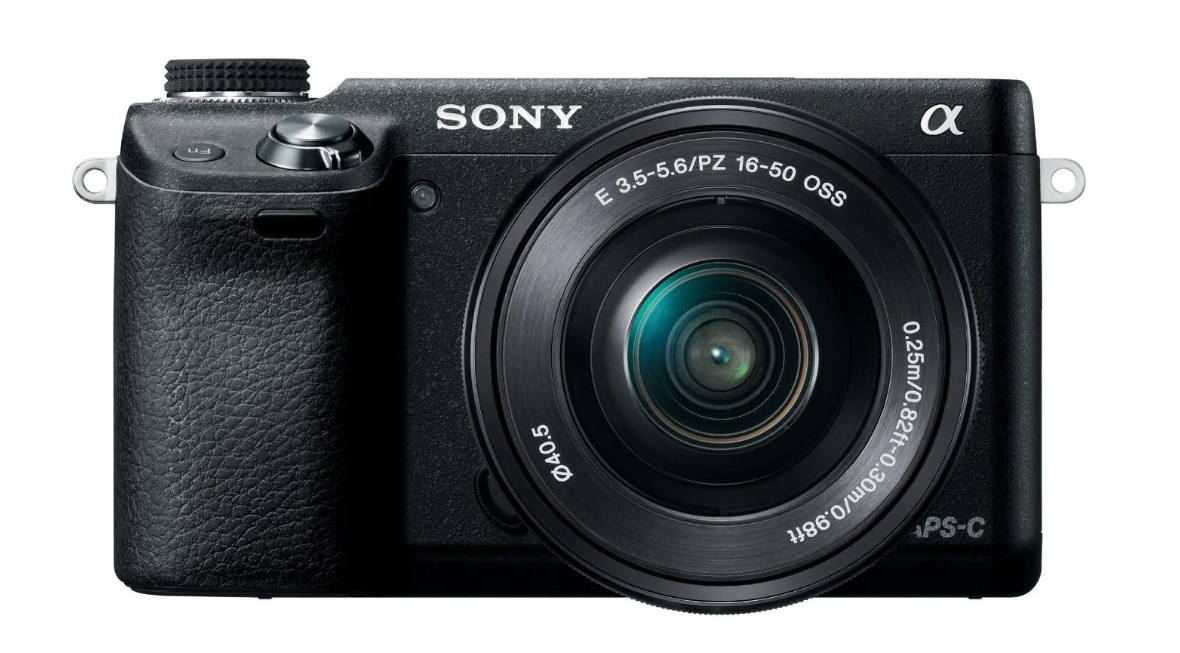
The Sony NEX-6 is a compact mirrorless camera that delivers an impressive combination of performance, image quality, and portability, making it an excellent choice for street photography, travel, and everyday shooting. At the heart of the camera is a 16MP APS-C CMOS sensor, which captures sharp, detailed images with accurate colors and excellent dynamic range.
Its wide ISO range of 100–25,600 allows photographers to shoot confidently in a variety of lighting conditions, from bright outdoor scenes to dimly lit streets. For photographers who prefer greater editing flexibility, the NEX-6 supports RAW and RAW+JPEG recording, enabling users to maximize image quality during post-processing while also keeping ready-to-share JPEG files.
Performance is another area where the Sony NEX-6 excels. Its hybrid autofocus system, which combines contrast detection with on-sensor phase-detection autofocus, delivers fast and accurate focusing on both stationary and moving subjects. The camera also offers an impressive continuous shooting speed of up to 10 frames per second, making it well suited for capturing fast-paced action or fleeting moments.
For video creators, the NEX-6 records 1080p Full HD video at 60 frames per second in the AVCHD format, producing smooth and detailed footage. Composing shots is easy thanks to the 3-inch articulated LCD screen with 921,000-dot resolution, while the built-in 2.36-million-dot OLED electronic viewfinder provides a bright, detailed view for shooting in any lighting condition.
Additional features such as a built-in flash, hot shoe for external accessories, Wi-Fi connectivity for wireless image sharing, and support for SD, SDHC, SDXC, and Memory Stick Pro Duo memory cards make the Sony NEX-6 a versatile and capable camera that continues to offer excellent value even years after its release.
Pros
- High-quality 16MP APS-C sensor delivers sharp, detailed images.
- Fast hybrid autofocus combines phase-detection and contrast-detection for reliable focusing.
- Shoots up to 10 frames per second for capturing fast-moving subjects.
- Wide ISO range of 100–25,600 offers solid low-light performance.
- Records smooth 1080p Full HD video at 60fps.
- Bright, high-resolution OLED electronic viewfinder enhances shooting accuracy.
- Articulated LCD screen makes high- and low-angle shooting more convenient.
- Supports RAW and RAW+JPEG for greater editing flexibility.
- Built-in Wi-Fi enables quick wireless image sharing and remote camera functions.
- Compact, lightweight body that’s ideal for travel and street photography.
Cons
- 16MP resolution is lower than many newer mirrorless cameras.
5) Canon EOS R100
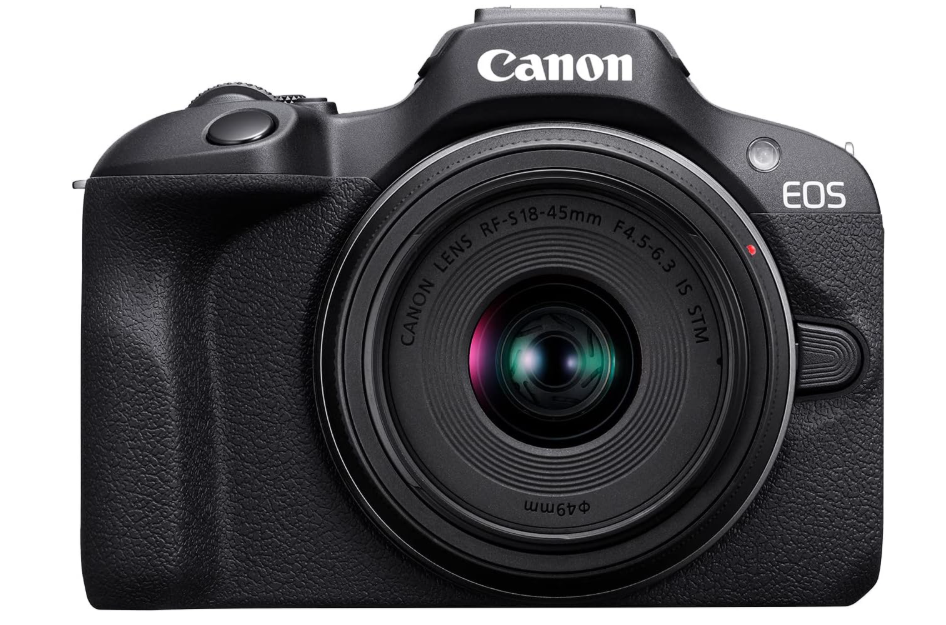
The Canon EOS R100 is an affordable entry-level mirrorless camera that brings the power of Canon’s EOS R system to beginners, hobbyists, and content creators. Featuring a 24.1MP APS-C CMOS sensor, the EOS R100 delivers outstanding image quality with excellent sharpness, vibrant colors, and impressive detail.
The large APS-C sensor also produces beautiful natural background bokeh, making portraits and close-up subjects stand out with a professional-looking depth of field. Its compact and lightweight design makes it the smallest and lightest camera body in the EOS R series, making it an excellent travel companion and a comfortable everyday camera for photographers on the go.
Powering the camera is Canon’s reliable DIGIC 8 image processor, which enhances overall performance, speeds up image processing, and enables advanced video recording capabilities. The EOS R100 captures 4K video at up to 24fps, Full HD video at 60fps, and HD video at up to 120fps for smooth slow-motion playback, making it a versatile option for both photography and casual videography.
Autofocus performance is equally impressive thanks to Dual Pixel CMOS AF, which covers a wide area with up to 143 autofocus zones and includes Human Face and Eye Detection AF for accurate portrait focusing. It also supports Animal Detect AF and Vehicle Detect AF, helping users keep a variety of subjects sharp during both still photography and video recording.
For action photography, the EOS R100 offers continuous shooting speeds of up to 6.5 frames per second when using One-Shot AF. Combining excellent image quality, modern autofocus technology, and the flexibility of Canon’s RF lens ecosystem, the Canon EOS R100 is an outstanding starting point for anyone looking to enter the world of interchangeable-lens mirrorless cameras without breaking the bank.
Pros
- Excellent 24.1MP APS-C CMOS sensor produces sharp, detailed images.
- Natural background blur (bokeh) enhances portraits and close-up photography.
- Compact and lightweight body is ideal for travel and everyday use.
- Powerful DIGIC 8 image processor delivers responsive performance.
- Records 4K video at 24fps, Full HD at 60fps, and HD at 120fps for slow motion.
- Dual Pixel CMOS AF with up to 143 autofocus zones provides fast and accurate focusing.
- Human Face and Eye Detection AF improves portrait photography.
- Animal and Vehicle Detection AF adds versatility for different shooting scenarios.
- Continuous shooting up to 6.5 fps captures moving subjects effectively.
- Compatible with Canon’s expanding RF and RF-S lens lineup.
Cons
- 4K video is limited to 24fps and lacks advanced video features found on higher-end models.
6) Nikon Z50
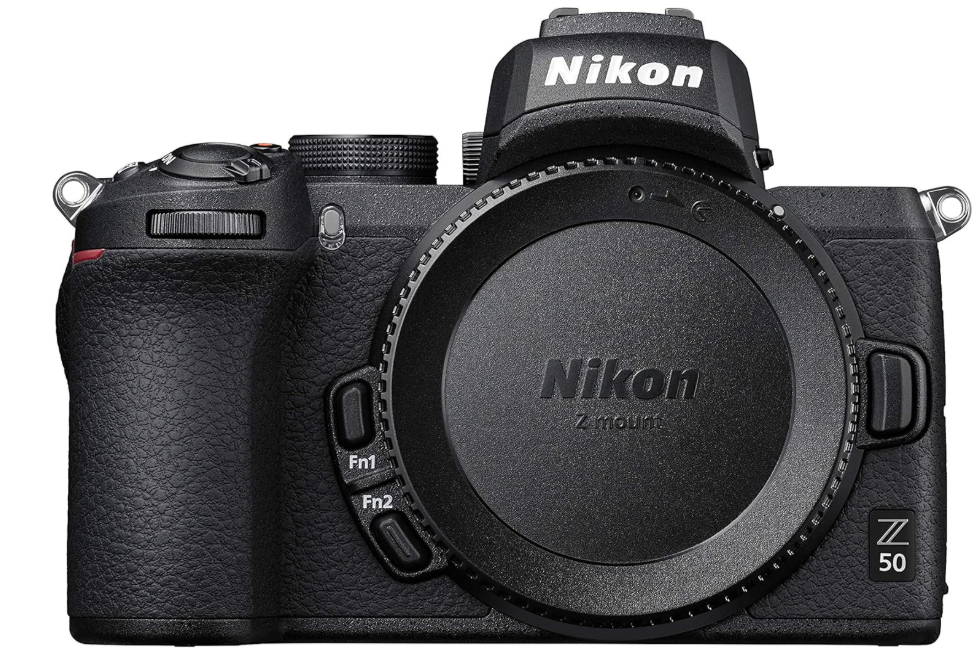
The Nikon Z50 is a compact and highly capable mirrorless camera that combines outstanding image quality, fast performance, and intuitive handling, making it an excellent choice for street photography, travel, wildlife, and content creation. At its core is a 20.9MP DX-format (APS-C) CMOS sensor, paired with Nikon’s EXPEED 6 image processor, which delivers crisp, detailed images with excellent dynamic range, accurate colors, and impressive low-light performance.
The camera also benefits from Nikon’s wide Z-mount, allowing more light to reach the sensor and providing compatibility with a growing range of high-quality Z-mount lenses. Whether shooting landscapes, portraits, or candid street scenes, the Z50 consistently produces professional-looking results.
Performance is one of the Nikon Z50’s greatest strengths. Its hybrid autofocus system features 209 on-sensor AF points covering approximately 90% of the frame both horizontally and vertically, enabling fast, precise focusing nearly anywhere in the composition. This wide autofocus coverage makes it particularly effective for tracking moving subjects and capturing spontaneous moments.
The camera also offers continuous shooting at up to 11 frames per second with both autofocus and auto exposure, making it well-suited for action photography. For videographers, the Z50 records 4K UHD video at 30fps without a crop factor and supports Full HD slow-motion recording, while built-in 4K time-lapse functionality allows users to create stunning cinematic sequences directly in-camera.
Nikon also includes 20 creative picture effects for both photos and videos, with adjustable intensity for personalized results. Completing the package is Nikon’s renowned ergonomic design, featuring a deep, comfortable grip, thoughtfully placed buttons and dials, responsive touchscreen controls, and a shutter speed range from 30 seconds to 1/4000 second, giving photographers excellent creative control in a variety of shooting situations.
Pros
- Excellent 20.9MP APS-C sensor delivers sharp, vibrant images with impressive dynamic range.
- Wide Nikon Z mount supports high-quality lenses and improved light gathering.
- Fast EXPEED 6 image processor ensures responsive performance and excellent image quality.
- Hybrid autofocus with 209 AF points covering approximately 90% of the frame provides accurate subject tracking.
- Shoots continuously at up to 11 fps with autofocus and auto exposure.
- Records uncropped 4K UHD video at 30fps and Full HD slow-motion footage.
- Silent shooting mode is ideal for street photography, wildlife, and quiet environments.
- Includes 20 customizable creative effects for photos and videos.
- Comfortable ergonomic grip and intuitive controls enhance handling during long shooting sessions.
- Excellent balance of portability, performance, and ease of use.
Cons
- No in-body image stabilization (IBIS), relying on stabilized lenses for shake reduction.
7) Panasonic LUMIX G100
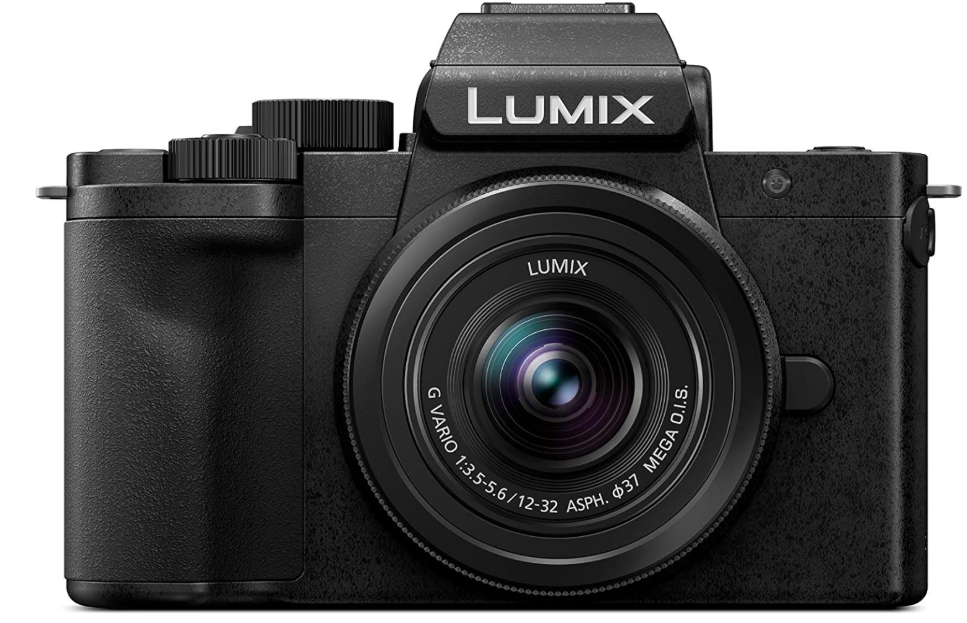
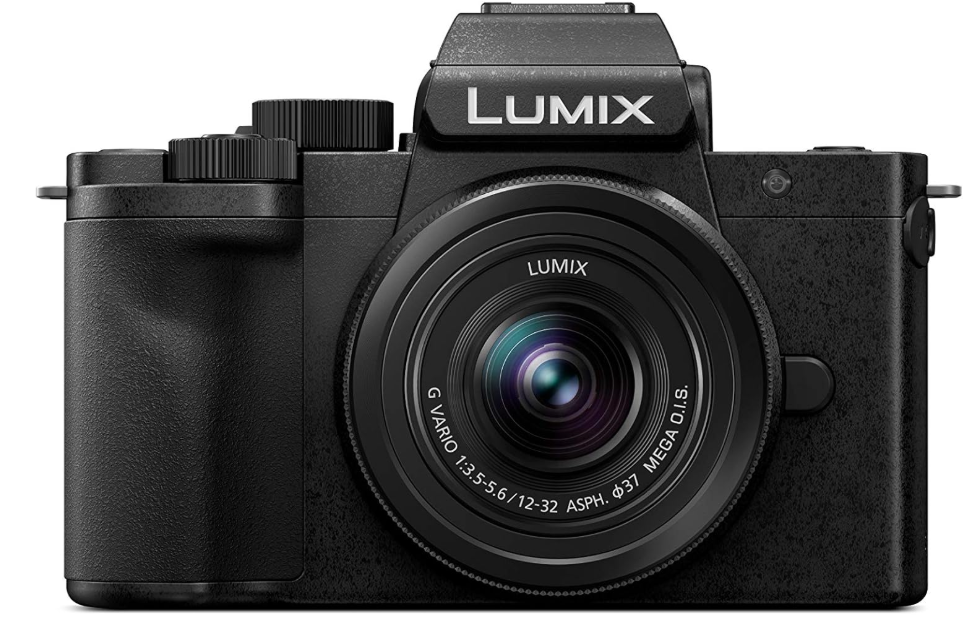
The Panasonic LUMIX G100 is a compact mirrorless camera designed for photographers, vloggers, and content creators who want significantly better image quality than a smartphone without sacrificing portability. Equipped with the Micro Four Thirds system, the G100 captures stunning 4K photos and records 4K video at 24p and 30p, delivering crisp detail, vibrant colors, and excellent creative flexibility.
The camera comes bundled with a 12-32mm kit lens, making it ready to shoot right out of the box, while its compatibility with Panasonic’s full lineup of LUMIX Micro Four Thirds lenses allows users to expand their creative possibilities as their skills grow. Beginners can rely on the Intelligent Auto (iA) mode for consistently great results, while manual exposure controls provide room to learn and develop advanced photography techniques.
Designed with modern content creation in mind, the LUMIX G100 doubles as a high-quality webcam, allowing users to connect it directly to a computer for professional-looking video calls, livestreams, interviews, and online content. Panasonic also includes a range of creator-friendly features such as frame markers for popular social media aspect ratios, facial recognition autofocus, Dual Image Stabilization for steadier handheld footage, and V-Log L recording for greater flexibility during color grading.
Sharing content is equally convenient thanks to seamless smartphone connectivity for quick transferring, editing, and uploading. One of the camera’s standout features is its advanced 360-degree OZO Audio system, which intelligently tracks subjects and automatically adjusts microphone direction to capture clear, natural sound whether recording indoors, outdoors, in crowded environments, or during one-on-one conversations.
Lightweight and comfortable enough for one-handed shooting, the Panasonic LUMIX G100 is an excellent all-around camera for creators looking to elevate both their photography and video production.
Pros
- Captures sharp, detailed 4K photos and 4K video at 24p and 30p.
- Compact, lightweight design is ideal for travel and everyday carry.
- Beginner-friendly Intelligent Auto mode with full manual controls for advanced users.
- Compatible with a wide range of Micro Four Thirds LUMIX lenses.
- Includes a versatile 12-32mm kit lens.
- Can be used as a high-quality webcam for livestreaming and video conferencing.
- Dual Image Stabilization helps reduce camera shake during handheld shooting.
- V-Log L recording offers greater flexibility for professional video editing.
- Advanced 360-degree OZO Audio system delivers clear, intelligent sound recording.
- Easy smartphone connectivity simplifies transferring, editing, and sharing content.
Cons
- Smaller Micro Four Thirds sensor offers less low-light performance than larger APS-C sensors.
Factors to Consider When Choosing the Best Street Photography Camera under $500
1. Image Sensor Size and Image Quality
The image sensor is one of the most important factors to consider because it directly affects image quality, low-light performance, and dynamic range. Cameras with APS-C sensors, such as the Sony a6000, Nikon D3500, Canon EOS R100, and Nikon Z50, generally produce sharper images with better detail and cleaner high-ISO performance than Micro Four Thirds cameras. However, Micro Four Thirds models like the Olympus E-M10 Mark III and Panasonic LUMIX G100 remain excellent choices due to their compact size and impressive image quality. A larger sensor also creates more natural background blur (bokeh), which helps isolate subjects in busy street scenes.
2. Camera Size and Portability
Street photography often involves walking for long periods and capturing spontaneous moments, making a lightweight, compact camera highly desirable. Smaller cameras attract less attention and allow photographers to shoot discreetly without intimidating their subjects. Mirrorless models such as the Sony a6000, Olympus E-M10 Mark III, Panasonic LUMIX G100, and Canon EOS R100 are excellent choices because they are easy to carry throughout the day while still offering interchangeable lenses and professional image quality. Maintaining a highly discrete footprint allows you to capture authentic, candid moments without disrupting the scene. If you prefer a portable layout that also features a rotating screen for video content creation, look over our hands-on reviews of the best camera for vlogging under 500.
3. Autofocus Performance
Fast and reliable autofocus is essential for street photography because moments happen quickly and rarely repeat themselves. A camera with advanced autofocus can lock onto subjects almost instantly, ensuring sharp images even when people are moving. Cameras equipped with systems like Sony’s Hybrid AF, Canon’s Dual Pixel CMOS AF, and Nikon’s Hybrid AF provide accurate face and eye detection, making it easier to capture candid portraits and moving subjects with confidence.
4. Continuous Shooting Speed
Street scenes can change in an instant, so a camera capable of shooting multiple frames per second increases the chances of capturing the perfect expression or decisive moment. Cameras such as the Sony a6000, which shoots up to 11 fps, the Nikon Z50 with 11 fps, and the Sony NEX-6 with 10 fps are particularly well-suited for action-packed environments where timing is everything.
5. Low-Light Performance
Many of the best street photography opportunities occur during sunrise, sunset, or at night. A camera with a wide ISO range and good noise control allows you to shoot handheld in challenging lighting conditions without sacrificing image quality. APS-C cameras generally outperform smaller sensors in low light, while features like image stabilization on the Olympus E-M10 Mark III help reduce blur when shooting at slower shutter speeds.
6. Image Stabilization
Image stabilization helps produce sharper handheld photos and smoother videos by minimizing the effects of camera shake. Cameras with in-body image stabilization (IBIS), such as the Olympus E-M10 Mark III, provide stabilization regardless of the lens being used. If a camera lacks IBIS, look for lenses with optical stabilization or use faster shutter speeds when shooting handheld.
7. Lens Compatibility
One of the biggest advantages of interchangeable-lens cameras is the ability to choose lenses that suit your style of photography. Before buying, consider the availability and affordability of lenses for the camera system. Sony E-mount, Nikon Z, Canon RF, and Micro Four Thirds systems all offer a growing selection of lenses, but some systems provide more budget-friendly options than others. A versatile lens ecosystem ensures your camera can grow with your photography skills.
8. Viewfinder and LCD Screen
A quality electronic or optical viewfinder makes it easier to compose images in bright sunlight where LCD screens can be difficult to see. Likewise, a tilting or fully articulating touchscreen LCD offers greater flexibility when shooting from low or high angles, allowing photographers to capture unique perspectives without drawing attention. Touchscreen functionality also speeds up focusing and menu navigation.
9. Video Capabilities
Even if your primary focus is photography, modern street photographers often create video content for social media or personal projects. Choosing a camera that offers 4K video recording, Full HD slow motion, and reliable autofocus during video ensures you can produce high-quality footage alongside your still images. Cameras like the Panasonic LUMIX G100, Canon EOS R100, Olympus E-M10 Mark III, and Nikon Z50 provide excellent video performance within this price range.
10. Battery Life
Street photography often involves spending several hours outdoors, making battery life an important consideration. Cameras with longer battery life reduce interruptions and the need to carry multiple spare batteries. DSLRs such as the Nikon D3500 typically outperform mirrorless cameras in this area, while most mirrorless models benefit from carrying an extra battery for extended shooting sessions.
11. Wireless Connectivity
Built-in Wi-Fi and Bluetooth make it easy to transfer photos directly to your smartphone for editing, sharing on social media, or backing up your images while on the move. Cameras like the Panasonic LUMIX G100, Sony NEX-6, Nikon D3500 (via SnapBridge), and Canon EOS R100 offer convenient wireless connectivity that streamlines your workflow and helps you share your favorite street shots almost instantly.
12. Ease of Use and Ergonomics
A camera should feel comfortable in your hands and provide intuitive controls that allow you to adjust settings quickly without taking your attention away from the scene. Features such as customizable buttons, responsive touchscreens, dual control dials, and well-designed grips improve the overall shooting experience. Beginners may appreciate cameras with intelligent auto modes and guided interfaces, while more experienced photographers often prefer direct manual controls for faster operation.
13. Value for Money
When shopping with a budget of under $500, it’s important to balance features, performance, and long-term usability. Many slightly older mirrorless cameras, as well as used or manufacturer-refurbished models, deliver exceptional value and often outperform newer entry-level cameras. Prioritize cameras that offer excellent image quality, reliable autofocus, and access to affordable lenses, ensuring you get the most capability for your investment without exceeding your budget.
FAQs
1. What is the best street photography camera under $500?
The Sony a6000 is widely regarded as the best street photography camera under $500 due to its excellent balance of performance, portability, and affordability. It features a 24.2MP APS-C sensor, a fast Hybrid Autofocus system with 179 phase-detection points, and continuous shooting at up to 11 frames per second, making it ideal for capturing fast-moving subjects and candid moments. Its compact size and extensive selection of affordable Sony E-mount lenses further enhance its value for street photographers.
2. Is a mirrorless camera better than a DSLR for street photography?
In most cases, mirrorless cameras are better suited for street photography because they are smaller, lighter, and more discreet than DSLRs. Models like the Sony a6000, Olympus OM-D E-M10 Mark III, Canon EOS R100, Nikon Z50, and Panasonic LUMIX G100 are easy to carry throughout the day and often feature silent shooting modes, making them ideal for capturing natural, candid scenes. However, DSLRs such as the Nikon D3500 remain excellent options, especially for photographers who prioritize longer battery life, comfortable handling, and an optical viewfinder.
3. Can I buy a good street photography camera under $500?
Yes. A budget of under $500 is enough to purchase a high-quality street photography camera, particularly if you’re open to buying a used, refurbished, or discounted model. Cameras such as the Sony a6000, Olympus OM-D E-M10 Mark III, Nikon D3500, Sony NEX-6, Canon EOS R100, Nikon Z50, and Panasonic LUMIX G100 all offer excellent image quality, reliable autofocus, and versatile lens systems that are well-suited for street photography. Choosing a camera with a large sensor, fast autofocus, compact design, and access to affordable lenses will provide the best value for your investment.
Final Thoughts
Choosing the best street photography camera under $500 ultimately comes down to your shooting style, experience level, and preferred features. Whether you prioritize the fast autofocus and overall performance of the Sony a6000, the excellent in-body image stabilization of the Olympus OM-D E-M10 Mark III, the beginner-friendly simplicity of the Nikon D3500, or the modern mirrorless capabilities of the Canon EOS R100, there are plenty of capable options that deliver impressive results without stretching your budget.
By focusing on essential factors such as image quality, portability, autofocus performance, lens availability, and low-light capability, you can confidently invest in a camera that helps you capture authentic everyday moments with creativity and precision. With the right camera in hand, you’ll be well-equipped to explore the streets, refine your photography skills, and preserve unforgettable scenes wherever your adventures take you. If you prefer a traditional, heavy-duty body with a deep physical handgrip and interchangeable lenses for cinematic video over a compact street setup, check out our top value picks for the best budget dslr camera for vlogging.