
Choosing the best scope for a Henry lever-action deer rifle means finding an optic that complements the rifle’s handling, suits your cartridge, and performs reliably in the woods or at the edge of an open field. A bulky, high-magnification scope may add unnecessary weight, while an optic with too little magnification may be less versatile in more open hunting terrain.
For most deer hunters, a compact 1.5–4x, 2–7x, or conventional 3–9x hunting scope is a sensible starting point. However, the right choice depends on your particular Henry model, its mounting arrangement, and the distances at which you expect to hunt. The following comparison focuses on practical hunting optics, published specifications, and the trade-offs that matter when choosing a scope.
Quick Decision Table
| Product | Best For | Weight | Magnification | Key Advantage | Check Price |
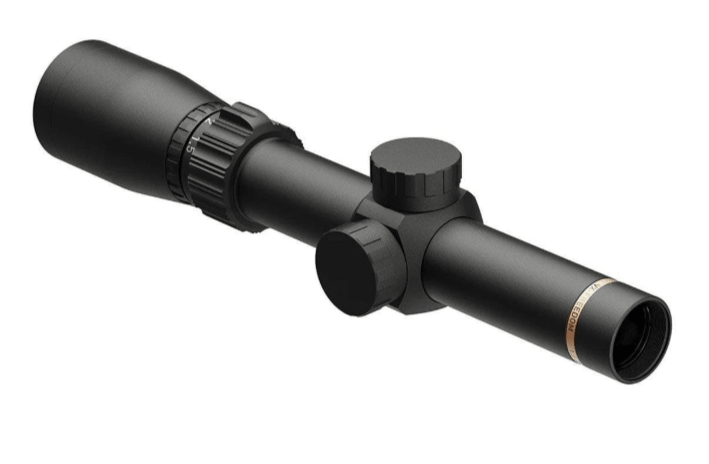
| Leupold VX-Freedom 1.5–4×20 | Dense woods | 9.6oz | 1.5–4x | Lightweight, wide field of view | 👉 View on Amazon |
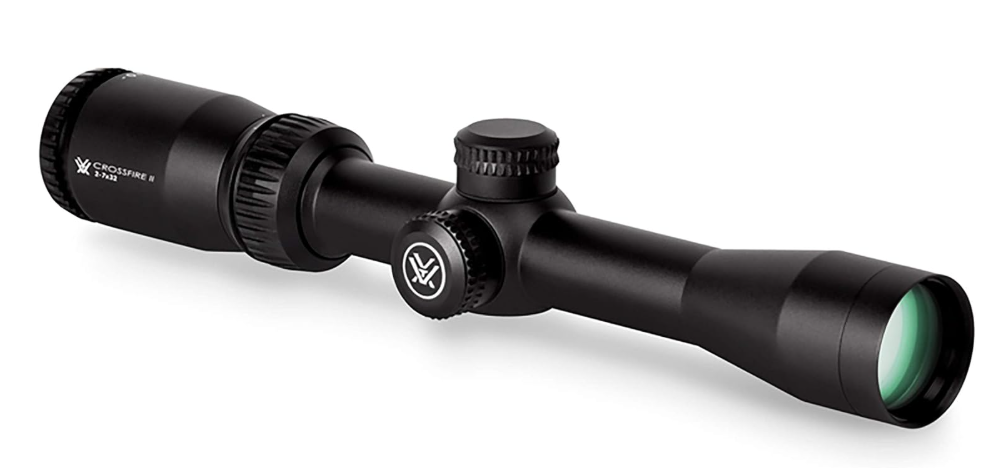
| Vortex Crossfire II 2–7×32 | General deer hunting | 13.9 oz | 2–7x | Versatile magnification | 👉 View on Amazon |
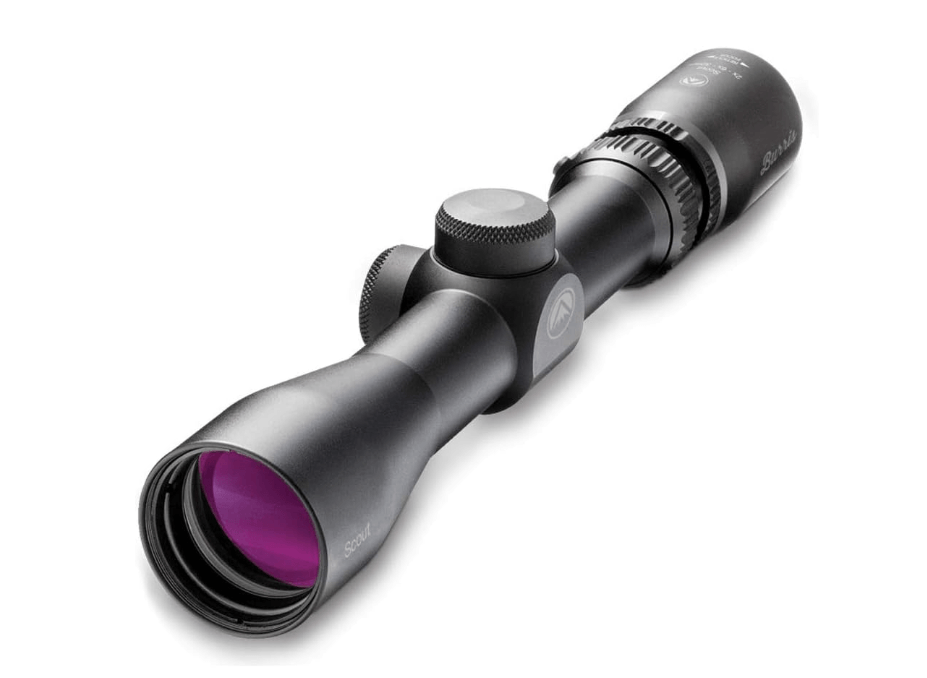
| Burris Scout 2–7×32 | Compatible scout-style setups | 13 oz | 2–7x | Extended eye relief | 👉 View on Amazon |
| Leupold VX-Freedom 3–9×40 Hunt-Plex | Mixed terrain | 12.2 oz | 3–9x | Versatile hunting magnification | 👉 View on Amazon |
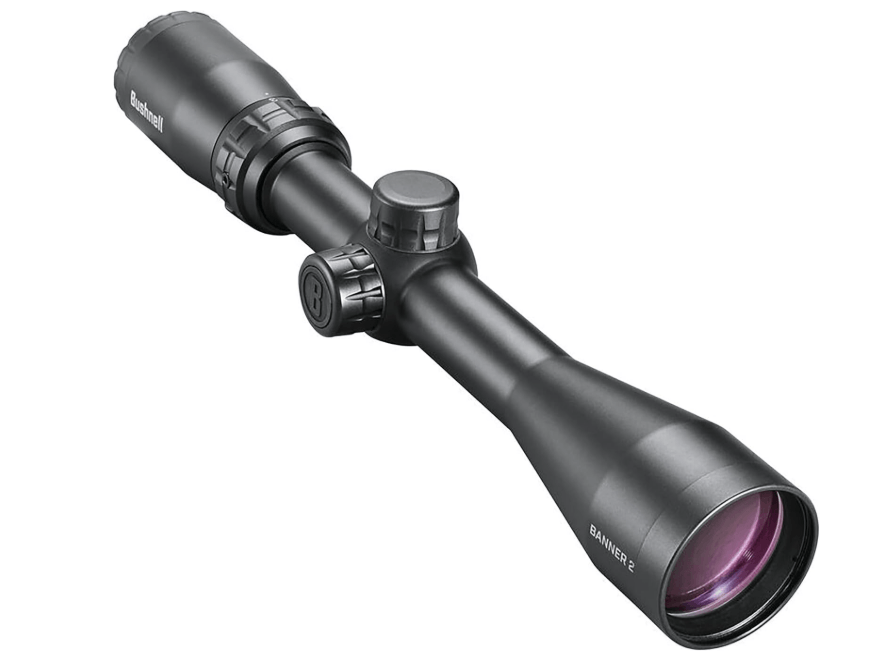
| Bushnell Banner 2 3–9×40 QBR | Conventional hunting setups | 14.8 oz | 3–9x | Practical all-purpose configuration | 👉 View on Amazon |
Quick Recommendations
Choose the Leupold VX-Freedom 1.5–4×20 if: you want to keep your Henry lightweight and prioritize a wide field of view in wooded country.
Choose the Vortex Crossfire II 2–7×32 if: you want a conventional hunting scope that balances low magnification with a little more reach.
Choose the Burris Scout 2–7×32 if: your rifle has a compatible forward-mounted scope base and you specifically want extended eye relief.
Choose the Leupold VX-Freedom 3–9×40 Hunt-Plex if: you hunt a mixture of timber, clearings, and open fields.
Choose the Bushnell Banner 2 3–9×40 QBR if: you prefer a conventional 3–9x scope with capped turrets and a straightforward hunting reticle.
How These Products Were Chosen
The selection prioritizes practical magnification, manageable weight, useful eye relief, hunting-oriented reticles, and weather-resistant construction. These features matter on a lever-action rifle because many hunters carry the rifle for extended periods and need an optic that complements its handling.
We also considered different mounting arrangements. A conventional scope and a scout scope are not interchangeable, even when they share the same magnification range.
One important limitation is that Henry produces several lever-action rifle families and chamberings. No scope should be considered universally compatible with every Henry model without checking the rifle’s mounting provisions and the optic’s dimensions.
1. Leupold VX-Freedom 1.5–4×20
Best for lightweight hunting in dense woods
The Leupold VX-Freedom 1.5–4×20 is a compact variable-power scope for hunters who value portability and a broad view more than high magnification. Its short body and low weight make it an appealing option for a traditional lever-action rifle.
Best For
Deer hunters who spend most of their time in timber, brush, and other areas where opportunities may occur at relatively short distances.
Why Choose It
At just 9.6 ounces, this scope adds relatively little weight to your rifle. Its 1.5x minimum magnification also makes the sight picture less restrictive than it would be at higher power.
For a hunter carrying a Henry through thick cover, these qualities can matter more than having a 12x or 16x maximum magnification.
Key Features
Magnification: 1.5–4x
Objective lens: 20mm
Weight: 9.6 ounces
Length: 9.35 inches
Eye relief: 4.2 inches at low power and 3.7 inches at high power
Field of view: 74.2 feet at 1.5x and 29.4 feet at 4x, measured at 100 yards
Tube diameter: 1 inch
Reticle: Duplex, for the specified configuration
Fixed parallax-free distance: 150 yards
What These Features Mean in Real Use
The wide field of view at 1.5x helps you locate and observe a deer without seeing such a narrow portion of the landscape. At 4x, you gain additional image enlargement when you need to examine a stationary, clearly identified target.
The 20mm objective keeps the scope compact, although it provides less exit-pupil potential than a larger objective at equivalent magnification. Lens quality, coatings, and viewing conditions also affect image brightness.
Eye relief is another consideration. The published 3.7–4.2-inch range should be checked against your stock, cheek position, and preferred shooting posture.
Trade-Offs
The biggest advantage is its light weight. However, the 4x maximum magnification may feel limiting when hunting open terrain, and the small objective is not automatically the best choice for demanding low-light conditions.
May Not Be Ideal If
You regularly hunt broad fields, want a higher maximum magnification, or need the extended eye relief of a scout scope.
Pros
Very light and compact
Broad field of view at low power
Simple magnification range
Straightforward Duplex reticle
Cons
Maximum magnification is only 4x
Small 20mm objective
Conventional rather than extended scout-style eye relief
Best if: You want a compact scope for carrying your Henry through wooded hunting areas.
Consider another option if: You need more magnification or routinely hunt open country.
2. Vortex Crossfire II 2–7×32
Best for versatile, general-purpose deer hunting
The Vortex Crossfire II 2–7×32 provides a broader magnification range than the Leupold 1.5–4×20. It offers a practical middle ground for hunters who want a relatively compact scope without limiting themselves to 4x.
Best For
Hunters who move between woodland trails, small clearings, and moderate-distance viewing opportunities.
Why Choose It
The 2–7x range lets you adapt magnification to the surroundings. At 2x, the view is relatively broad; at 7x, distant details appear larger.
Vortex lists fully multi-coated lenses, a fast-focus eyepiece, and resettable MOA turrets among the Crossfire II series’ features. These are useful practical considerations for a hunting optic.
Key Features
Magnification: 2–7x
Objective lens: 32mm
Weight: 13.9 ounces for the standard V-Plex version
Length: 11.5 inches
Eye relief: 3.9 inches for the standard V-Plex version
Tube diameter: 1 inch
Reticle: V-Plex, depending on configuration
Turrets: Capped
Lens coatings: Fully multi-coated
Construction: Manufacturer-listed waterproof and fogproof protection
What These Features Mean in Real Use
Compared with the 1.5–4x Leupold, the Vortex offers greater magnification flexibility. The additional power can help you see more detail, while its 32mm objective offers a compromise between compactness and light collection.
Capped turrets are useful for hunters who want to protect their adjustments from accidental movement during transport. The Vortex is also longer and heavier than the compact Leupold, so it may change the rifle’s balance slightly.
For a Henry rifle, verify that the exact standard scope configuration fits your mounting system. Do not confuse it with the Crossfire II rimfire or scout models, which have different specifications.
Trade-Offs
You gain a useful 2–7x range but add weight and length compared with a compact low-power scope. Its conventional eye relief also means it is not a substitute for a scout scope.
May Not Be Ideal If
You prioritize the lightest possible setup or your rifle requires a forward-mounted optic with extended eye relief.
Pros
Versatile 2–7x magnification
Fully multi-coated lenses
Capped turrets
Weather-resistant construction
Cons
Heavier than the compact Leupold
Conventional eye relief
Model variants require careful checking
Best if: You want a conventional hunting scope for mixed terrain and moderate viewing distances.
Consider another option if: Your Henry needs extended eye relief or you want the lightest possible optic.
3. Burris Scout 2–7×32
Best for compatible forward-mounted scope configurations
The Burris Scout 2–7×32 differs from the other scopes in this list because it is designed for forward mounting. Its extended eye relief makes it suitable for a different style of scope placement, but only when the rifle and mounting hardware support that arrangement.
Best For
Hunters who have a Henry configuration equipped with, or properly fitted for, a compatible scout-style mounting system.
Why Choose It
A conventional scope generally sits closer to the shooter’s eye. A scout scope is designed to sit farther forward, allowing the shooter to maintain a usable sight picture at a greater distance from the eyepiece.
The Burris Scout’s extended eye relief is its defining feature. Its 2–7x range also offers flexibility without requiring the high magnification of a larger long-range optic.
Key Features
Magnification: 2–7x
Objective lens: 32mm
Weight: Approximately 13 ounces
Length: Approximately 9.7 inches
Eye relief: Approximately 9.2–12 inches, depending on magnification
Tube diameter: 1 inch
Reticle: Ballistic Plex
Focal plane: Second focal plane
Confirm these details against the exact model and current manufacturer documentation before purchase.
What These Features Mean in Real Use
Extended eye relief allows the scope to sit farther from your eye than a conventional optic. This can be useful when the rifle has a forward mounting rail designed for scout optics.
However, the trade-off is that a scout scope requires the correct mounting position. Its field of view and viewing experience also differ from those of a conventional receiver-mounted scope.
The Ballistic Plex reticle includes additional aiming references. Those references should not be assumed to correspond to particular distances for every Henry cartridge and ammunition load.
Trade-Offs
The long eye relief is a meaningful advantage for compatible scout setups, but it offers little benefit if your rifle is configured only for conventional scope mounting. The extra mounting hardware may also add cost and complexity.
May Not Be Ideal If
Your Henry already has a conventional receiver-mounted scope base and you do not intend to change to a compatible scout-style setup.
Pros
Extended eye relief
Compact scope body
Variable 2–7x magnification
Alternative to conventional mounting
Cons
Requires compatible forward mounting
Different field of view from conventional scopes
Ballistic references require appropriate validation
Best if: Your Henry supports a scout-style mounting arrangement and you specifically want extended eye relief.
Consider another option if: You want a straightforward, conventional scope installation.
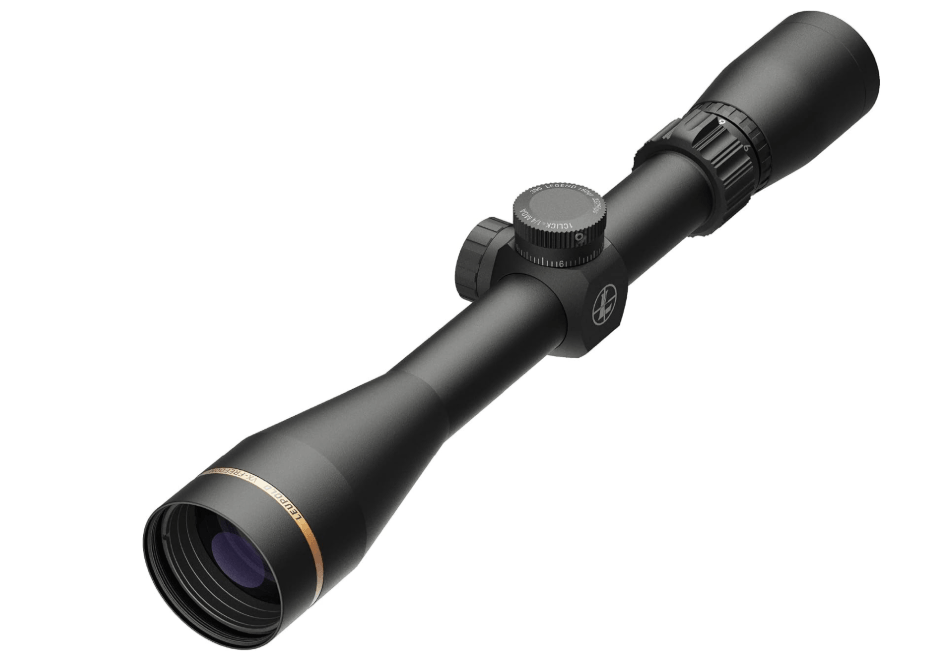
4. Leupold VX-Freedom 3–9×40 Hunt-Plex
Best for mixed woodland and open terrain
The Leupold VX-Freedom 3–9×40 Hunt-Plex is a conventional hunting scope with a higher maximum magnification than the previous options. It suits hunters who want flexibility when the landscape opens up beyond thick timber.
Best For
Deer hunters who split their time between wooded areas, field edges, and open clearings.
Why Choose It
The 3–9x range is a familiar hunting configuration because it offers a useful balance between general field observation and greater image enlargement. Its 40mm objective is also larger than the 20mm and 32mm objectives of the first three scopes.
Key Features
Magnification: 3–9x
Objective lens: 40mm
Weight: 12.2 ounces for the listed 3–9×40 VX-Freedom configuration
Eye relief: 4.2 inches at low power and 3.7 inches at high power
Tube diameter: 1 inch
Reticle: Hunt-Plex
Focal plane: Second focal plane
Fixed parallax-free distance: 150 yards
What These Features Mean in Real Use
At 3x, the scope offers a practical view for many hunting situations. Increasing magnification toward 9x makes distant details appear larger, although the field of view becomes narrower.
The 40mm objective can provide a larger exit pupil than a 20mm objective at the same magnification. Still, objective diameter alone does not guarantee better low-light performance. Glass quality, lens coatings, magnification, and the observer’s pupil all matter.
The Hunt-Plex reticle has heavier outer posts and a finer central section. This arrangement helps the reticle remain visible against darker backgrounds while preserving a precise center aiming reference.
If you hunt near dawn or dusk, reticle visibility is only one part of the decision; the guide to illuminated reticle scopes for dawn and dusk explains why illumination cannot compensate for poor image clarity or inadequate light.
Trade-Offs
The 3–9x range offers more magnification than the compact alternatives, but its 3x minimum is less accommodating for very close encounters than a scope starting at 1.5x or 2x.
May Not Be Ideal If
You hunt almost exclusively in dense cover or want an ultra-light optic with a very broad field of view at minimum power.
Pros
Versatile 3–9x magnification
40mm objective
Hunting-oriented Hunt-Plex reticle
Moderate weight for a conventional hunting scope
Cons
Higher minimum magnification
Narrower field of view at maximum power
Conventional rather than extended eye relief
Best if: You need a conventional scope for hunting in mixed terrain.
Consider another option if: You prioritize close-range field of view and minimum weight.
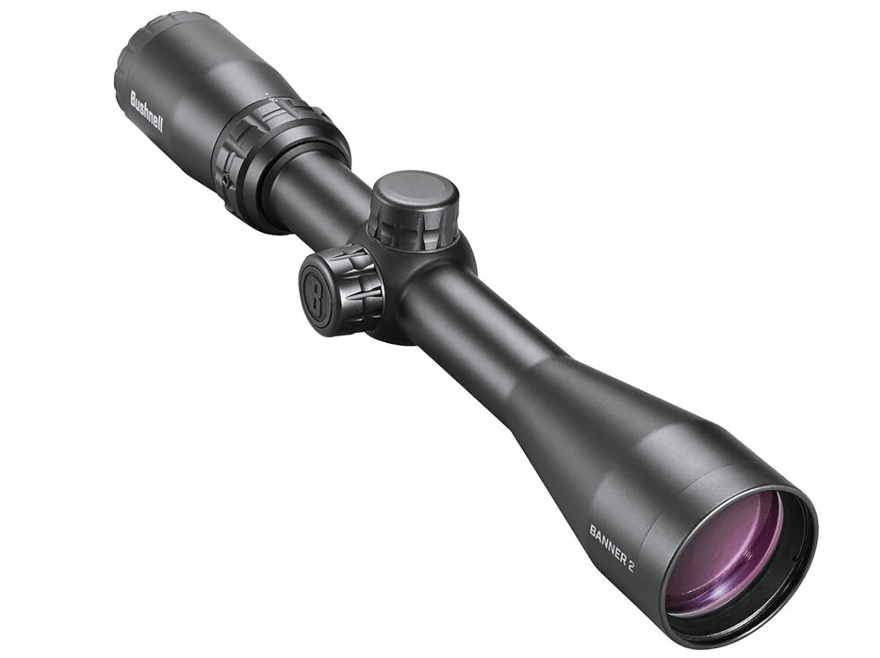
5. Bushnell Banner 2 3–9×40 QBR
Best for a conventional, straightforward hunting setup
The Bushnell Banner 2 3–9×40 QBR offers a familiar magnification range and a simple hunting-oriented configuration. It is worth comparing with the Leupold 3–9×40 if you want a conventional optic and prefer to evaluate alternatives rather than buying solely on brand familiarity.
Best For
Hunters who want a conventional 3–9x scope for woodland openings and moderate-distance hunting opportunities.
Why Choose It
The 3–9×40 configuration provides a familiar balance of magnification and objective size. The published specifications for the Banner 2 QBR model include capped turrets and a fixed parallax setting, making it a relatively straightforward hunting-scope design.
Key Features
Magnification: 3–9x
Objective lens: 40mm
Weight: 14.8 ounces
Length: 12.3 inches
Eye relief: 3.5 inches at maximum magnification
Reticle: QBR
Turrets: Capped
Parallax: Fixed at 100 yards
Lens coatings: Fully multi-coated
Construction: Manufacturer-listed waterproof and fogproof protection
These figures refer to the Banner 2 3–9×40 QBR model identified in the manufacturer’s specifications, not every Banner 2 variant.
What These Features Mean in Real Use
The 3–9x range gives you more magnification flexibility than a compact 1.5–4x scope. However, the 12.3-inch length and 14.8-ounce weight make this a larger option than the Leupold VX-Freedom 1.5–4×20.
Its 40mm objective is a practical conventional size, but mounting height and clearance still need attention. Make sure the scope sits comfortably with your cheek on the stock and does not interfere with the rifle’s action or other components.
The fixed 100-yard parallax setting is intended for a defined viewing distance. For ordinary hunting use, that may be adequate, but it does not provide the adjustable parallax found on some specialized optics.
Trade-Offs
The Banner 2 provides conventional magnification and useful hunting features, but it is longer and heavier than the smallest option in this comparison. Its eye relief at maximum magnification also deserves careful consideration when setting up the rifle.
May Not Be Ideal If
You prioritize a lightweight lever-action setup, need a lower minimum magnification, or cannot confirm that the eye relief suits your shooting position.
Pros
Familiar 3–9x magnification
40mm objective
Capped turrets
Waterproof and fogproof construction
Cons
Heavier than the compact Leupold
Longer overall body
Fixed parallax setting
Exact configuration must be verified
Best if: You prefer a conventional 3–9×40 hunting scope and its dimensions fit your rifle.
Consider another option if: You want a shorter, lighter scope or a wider view at minimum magnification.
Factors to Consider When Choosing the Best Scope for a Henry Lever Action Deer Rifle
1. Magnification and Field of View
Magnification should match your hunting environment rather than simply provide the largest possible image.
1.5–4x: Suits hunters who prioritize a broad field of view in wooded areas.
2–7x: Offers a useful compromise for mixed cover and moderate viewing distances.
3–9x: Provides more magnification flexibility for open clearings and field edges.
Higher magnification narrows the field of view. It can also make it harder to find a deer quickly if you begin with the scope set too high.
2. Eye Relief and Shooting Comfort
Eye relief is the distance between your eye and the scope’s eyepiece while maintaining a complete sight picture. Adequate eye relief allows you to position your head comfortably without moving too close to the scope.
This matters when wearing glasses, bulky winter clothing, or using a shooting position that changes your cheek placement.
Conventional scopes typically have shorter eye relief than scout scopes. Therefore, check the published eye-relief range at both minimum and maximum magnification, then confirm that the scope fits your rifle and stock.
3. Objective Size and Low-Light Performance
The objective lens is the large front lens of the scope. A larger objective can provide a larger exit pupil at a given magnification, but it does not automatically deliver a brighter or clearer image.
Lens quality, coatings, magnification, and viewing conditions also influence performance.
For deer hunting around dawn and dusk, compare the complete optical system rather than choosing a scope solely because it has a 40mm or 50mm objective.
4. Weight and Rifle Balance
A lever-action rifle is often carried over long distances, so weight deserves careful attention.
The Leupold 1.5–4×20 weighs 9.6 ounces, while the standard Vortex Crossfire II 2–7×32 weighs 13.9 ounces. That difference may seem modest on paper, but the scope’s position and the added weight of mounting hardware can affect the rifle’s overall balance.
If you spend long hours walking through hunting country, a lighter optic may be more comfortable. Conversely, if you primarily hunt from a fixed position, additional weight may matter less.
5. Reticle Design
A simple Duplex or Hunt-Plex reticle can be useful for hunters who want an uncluttered sight picture. More elaborate reticles offer extra reference points, but their usefulness depends on the exact design and your familiarity with it.
Do not assume that a ballistic reticle is automatically calibrated for your Henry’s cartridge. Any additional aiming references must be appropriate for the exact ammunition and setup.
6. Mounting Compatibility and Tube Diameter
This is one of the most important considerations when purchasing a scope for a Henry rifle.
Henry models differ in their receiver designs, mounting provisions, and available accessories. For example, Henry’s official Big Boy instruction manual explains that the Big Boy receiver is drilled and tapped for scope mounting and that the rear sight must be removed to access the mounting holes.
Do not assume that this applies to every Henry model. Check your specific rifle’s manual and mounting requirements before ordering.
Also confirm whether the scope uses a 1-inch or 30mm tube, whether the rings match that diameter, and whether the objective bell clears the barrel and other components.
For a broader comparison of lever-action mounting considerations, the scope guide for the Marlin 336 lever action provides useful context on conventional and forward-mounted optics. The Marlin and Henry are different rifle platforms, so their mounting compatibility should not be treated as interchangeable.
7. Waterproofing, Fogproofing, and Durability
Deer hunting can expose an optic to rain, humidity, dust, and rapid temperature changes. Waterproof and fogproof construction helps protect the internal optical system from moisture and condensation.
Check the manufacturer’s specifications for the exact scope configuration. Weather-resistant construction is useful, but it does not eliminate the need for proper storage, cleaning, and maintenance.
Frequently Asked Questions
1. What magnification is best for a Henry lever-action deer rifle?
For many hunting situations, 1.5–4x or 2–7x provides a useful field of view and practical magnification. A 3–9x scope may suit hunters who regularly encounter opportunities in more open terrain. The best choice depends on your hunting environment and preferred shooting distance.
2. Can you put a scope on any Henry lever-action rifle?
Not necessarily with the same mounting hardware. Compatibility depends on the specific Henry model, its receiver design, and the scope base required. Check the rifle’s owner’s manual and the mounting manufacturer’s compatibility information before purchasing.
3. Is a 3–9×40 scope too powerful for a lever-action deer rifle?
No. A 3–9×40 can be a practical hunting optic for a lever-action rifle, particularly in mixed terrain. However, its higher minimum magnification may be less convenient in dense cover than a 1.5–4x or 2–7x scope. Weight, eye relief, and mounting compatibility also matter.
Conclusion
The best scope for a Henry lever-action deer rifle depends on how and where you hunt. The Leupold VX-Freedom 1.5–4×20 stands out for a lightweight setup in dense woods, while the Vortex Crossfire II 2–7×32 offers a flexible conventional option. The Burris Scout 2–7×32 is worth considering for compatible forward-mounted configurations, and the Leupold VX-Freedom 3–9×40 and Bushnell Banner 2 3–9×40 offer more magnification for mixed terrain.
Before making your final decision, confirm your rifle’s exact model, mounting requirements, scope dimensions, and eye relief. Choosing an optic that fits the rifle and your hunting conditions is more important than buying the scope with the highest magnification.