
The best scope for a CVA Paramount muzzleloader depends on how you intend to use this precision-oriented hunting rifle. Hunters who pursue game across open country may benefit from a higher-magnification optic, while those who prioritize portability and straightforward field use may prefer a lighter hunting scope. Reticle design, eye relief, optical clarity, mounting compatibility, and available elevation adjustment also deserve careful consideration.
This guide compares five riflescopes with different strengths, from a muzzleloader-specific reticle to optics designed for longer-range observation and precision shooting. The goal is to help you identify a suitable configuration for your intended hunting conditions, budget, and shooting experience without paying for features you may not need.
Quick Decision Table
| Product | Best For | Weight | Magnification | Key Advantage | Check Price |
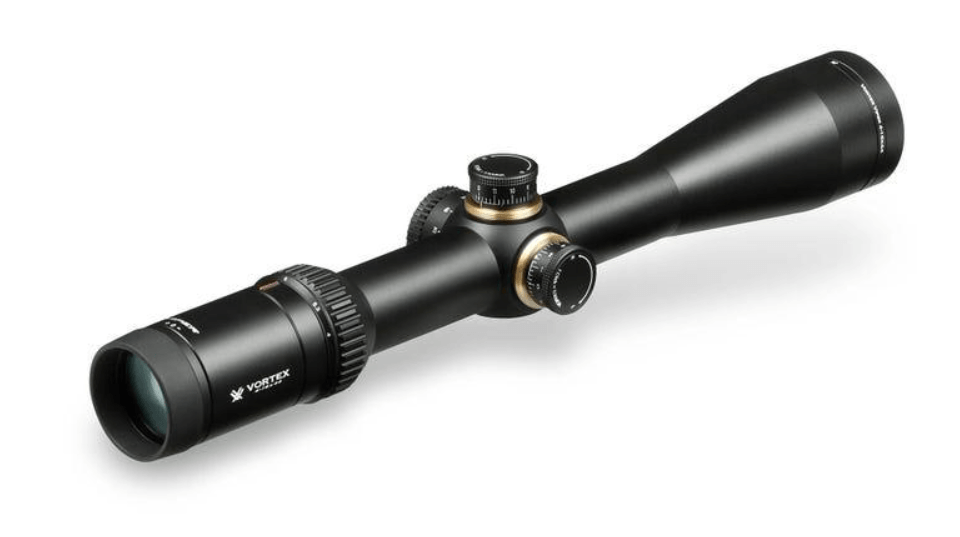
| Vortex Viper HS 4-16×44 | Hunting and precision-oriented use | 19.2 oz | 4–16× | Capped turrets and side parallax adjustment | 👉 View on Amazon |
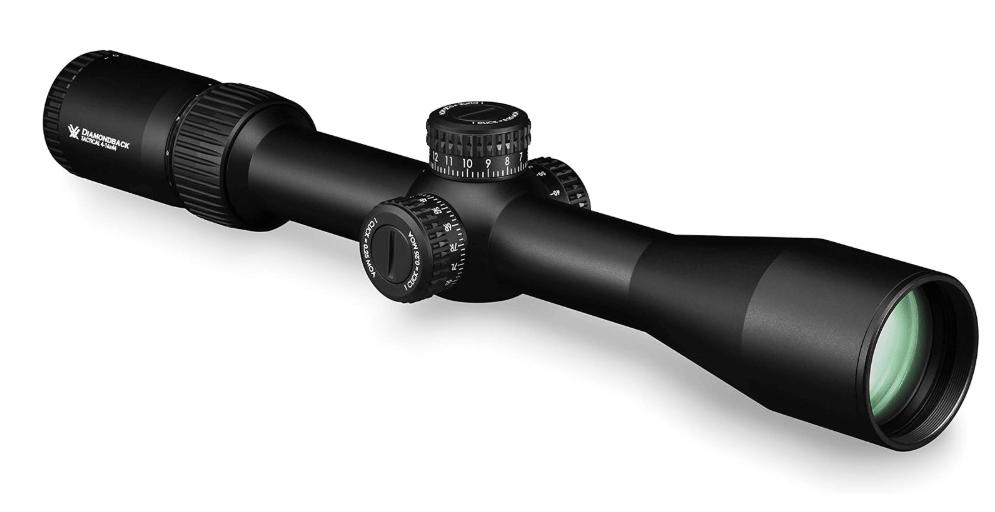
| Vortex Diamondback Tactical 4-16×44 FFP | Range-focused shooting | Not specified | 4–16× | First-focal-plane reticle and exposed turrets | 👉 View on Amazon |
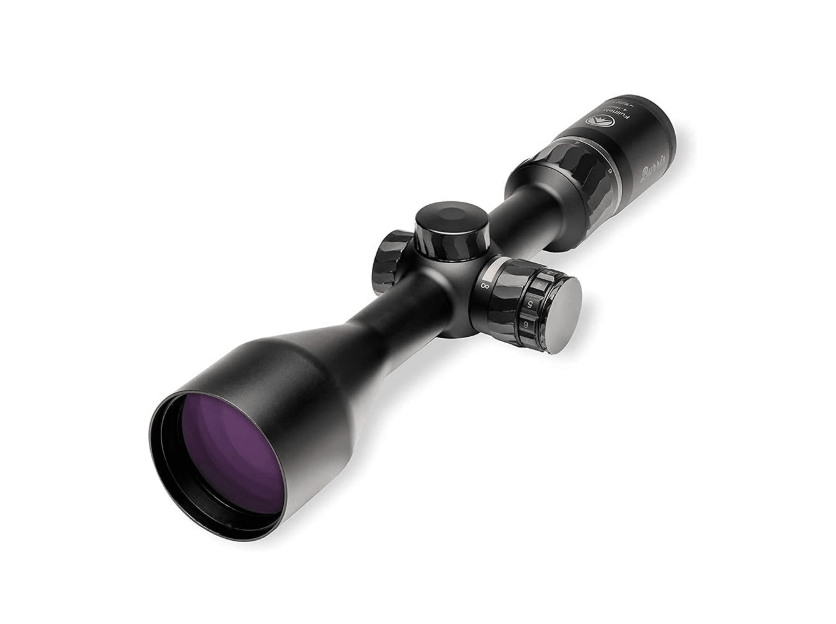
| Burris Fullfield IV 4-16×50 | Longer-range viewing | 21.6 oz for illuminated E3 configuration | 4–16× | Large objective and side focus | 👉 View on Amazon |
| Leupold VX-Freedom 4-12×40 CDS Side Focus | Hunting with adjustable parallax | 15.7 oz | 4–12× | Side focus and Tri-MOA reticle | 👉 View on Amazon |
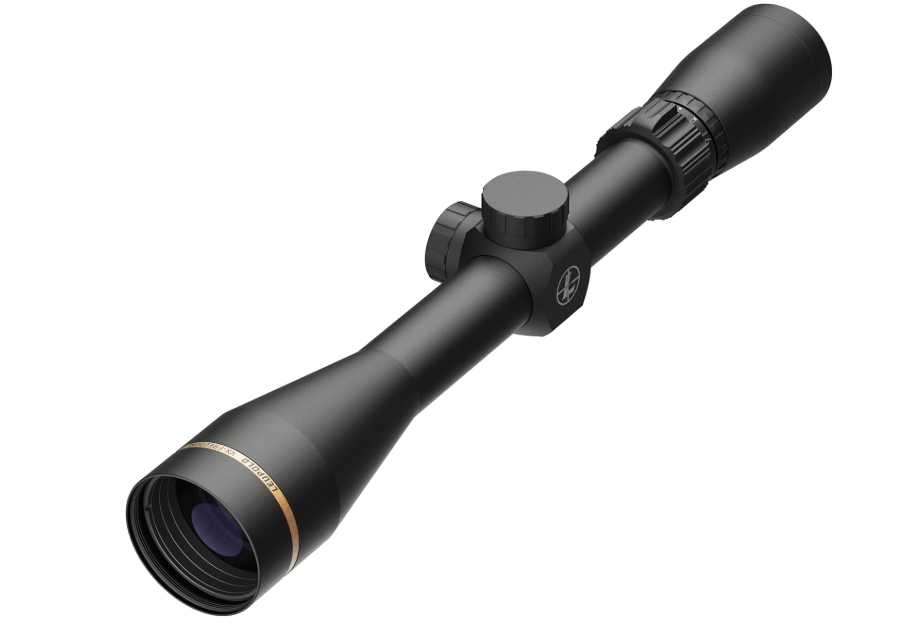
| Leupold VX-Freedom 3-9×40 UltimateSlam | Muzzleloader-specific reticle preference | 12.2 oz | 3–9× | Purpose-designed UltimateSlam reticle | 👉 View on Amazon |
Quick Recommendations
Choose the Vortex Viper HS 4-16×44 if: you want a versatile hunting optic with moderate-to-high magnification, capped turrets, and adjustable parallax.
Choose the Vortex Diamondback Tactical 4-16×44 FFP if: you prioritize a reticle that scales with magnification and want exposed adjustment turrets for range use.
Choose the Burris Fullfield IV 4-16×50 if: you prefer a larger objective and side-focus adjustment for stationary, precision-oriented shooting.
Choose the Leupold VX-Freedom 4-12×40 CDS Side Focus if: you want a comparatively light scope with a useful magnification range and adjustable parallax.
Choose the Leupold VX-Freedom 3-9×40 UltimateSlam if: you prefer a dedicated muzzleloader reticle and a simple, lightweight hunting setup.
One important distinction: the Paramount’s long-range potential does not mean every owner needs a heavy, high-magnification scope. The right choice depends on your hunting terrain, the distance at which you can confidently identify a target, and the time you spend carrying the rifle.
How These Products Were Chosen
The selection prioritizes practical differences rather than five nearly identical hunting scopes. Manufacturer specifications were used to compare magnification, objective size, reticle design, adjustment controls, weight where verified, and parallax features.
The Paramount’s mounting requirements also matter. Its owner’s manual describes compatibility with Remington 700 short-action scope bases and recommends a one-piece Picatinny rail with a 20-MOA incline for long-range performance. Confirm the requirements for your exact Paramount model before buying a base or rings.
The recommendations cover conventional hunting, specialized muzzleloader reticles, and range-oriented optics. They are candidates to evaluate, not a claim that every model is equally suitable for every Paramount variant or load.
1. Vortex Viper HS 4-16×44
Best for: Hunters who want a versatile optic for open terrain and precision-oriented range use
The Vortex Viper HS 4-16×44 offers a useful middle ground between a conventional hunting scope and a dedicated target optic. Its 4–16× magnification range provides enough flexibility for viewing targets at varied distances, while capped turrets help protect the settings during field carry.
Why Choose It
The Viper HS is worth considering if your Paramount serves both hunting and range purposes. At 4×, the view is more accommodating than at 16×; at higher power, additional image magnification can help you inspect a stationary target more closely.
The side parallax adjustment is another practical advantage. Parallax occurs when the reticle appears to shift relative to the target as your eye moves. Adjusting for the target distance can reduce that apparent movement and improve aiming consistency.
Key Features
Magnification: 4–16×
Objective lens: 44mm
Weight: 19.2 ounces
Tube diameter: 30mm
Reticle: Dead-Hold BDC MOA or V-Plex MOA, depending on configuration
Eye relief: 4 inches
Field of view: 27.4–7.4 feet at 100 yards
Parallax adjustment: 50 yards to infinity
Turrets: Capped, with 1/4-MOA adjustments
What These Features Mean in Real Use
The 44mm objective provides a sensible balance between light gathering, scope size, and mounting requirements. However, objective diameter alone does not determine image brightness. Lens quality, coatings, magnification, and ambient light also matter.
At 19.2 ounces, the Viper adds noticeable weight compared with a lightweight hunting optic. That may be acceptable for a rifle carried mostly from a vehicle to a blind or firing position, but less appealing during long hikes.
The Dead-Hold BDC reticle includes references intended to assist with holdover and windage estimates. Those marks must be verified against your actual projectile, load, zero, and conditions before you rely on them.
Trade-Offs
The Viper’s capped turrets suit hunters who generally zero their scope and leave the settings alone. However, shooters who want to make frequent, deliberate elevation adjustments may prefer a model with exposed turrets.
Availability is another consideration: Vortex has listed this configuration within its limited-distribution range, so confirm the precise model and current retailer stock before purchasing.
May Not Be Ideal If
You want the lightest possible hunting rifle, need a dedicated muzzleloader reticle, or expect to make frequent turret adjustments in the field.
Pros
Useful 4–16× magnification range
Adjustable parallax
Capped turrets for field protection
Two reticle configurations to consider
Cons
Heavier than a minimalist hunting scope
No dedicated muzzleloader reticle in the listed configurations
Current availability needs checking
Best if: You want a versatile hunting scope with adjustable parallax and protected turrets.
Consider another option if: Low weight or frequent elevation dialing is your priority.
2. Vortex Diamondback Tactical 4-16×44 FFP
Best for: Range-focused owners who prefer a first-focal-plane reticle and exposed turrets
The Vortex Diamondback Tactical 4-16×44 FFP takes a more adjustment-oriented approach. Vortex identifies this configuration as a first-focal-plane scope with a 30mm tube and a design intended for long-range and recreational shooting.
Why Choose It
Its defining difference is the first-focal-plane reticle. In this design, the reticle grows and shrinks with the target as you change magnification. As a result, the spacing between reticle markings maintains its intended angular relationship across the magnification range.
That can be useful for range work when you want to use reticle references for estimating corrections. It is less important for a hunter who uses a simple crosshair and rarely changes magnification after sighting in.
Key Features
Magnification: 4–16×
Objective lens: 44mm
Tube diameter: 30mm
Focal plane: First focal plane
Reticle: EBR-2C, with MOA or MRAD options depending on configuration
Adjustment style: Exposed tactical turrets
Published length: 14.06 inches
What These Features Mean in Real Use
The first-focal-plane design is most useful when the shooter understands the reticle’s measurement system and wants consistent subtensions across magnification settings. MOA and MRAD are different angular measurement systems; select one that matches your existing equipment and familiarity.
Exposed turrets make adjustments accessible, but they also require more attention to avoid accidental movement. For a rifle that spends much of its time being carried through brush, a capped-turret hunting scope may be simpler.
The 44mm objective keeps the front end more compact than many 50mm designs. Nevertheless, the scope’s published length of 14.06 inches is worth checking against the available mounting space on your rifle.
Trade-Offs
This model favors range-oriented control over simplicity. Its first-focal-plane reticle can be useful for measured corrections, but it adds complexity for someone who only needs a straightforward hunting crosshair.
May Not Be Ideal If
You want a lightweight hunting optic, dislike exposed turrets, or prefer a simple second-focal-plane reticle.
Pros
First-focal-plane reticle
Exposed adjustment turrets
MOA and MRAD reticle options
Intended for long-range and recreational shooting
Cons
More complex than many hunting scopes
Exposed turrets need monitoring
Weight was not confirmed in the reviewed product listing
Best if: You prioritize range work and want reticle measurements that remain consistent across magnification settings.
Consider another option if: You mainly hunt and want a simpler, lighter setup.
3. Burris Fullfield IV 4-16×50
Best for: Shooters who want a large objective and side-focus adjustment
The Burris Fullfield IV 4-16×50 is aimed at shooters who want a higher-power view and more control over focus. Burris lists several configurations, including illuminated Ballistic E3, illuminated Long Range MOA, and non-illuminated 6.5 Creedmoor reticles. These versions have different controls and weights, so the precise SKU matters.
Why Choose It
The main attraction is its combination of 4–16× magnification, a 50mm objective, and side parallax adjustment. This combination can suit a Paramount used from a stable shooting position, particularly when examining distant paper targets or assessing a stationary target in open terrain.
The larger objective may help provide a more generous exit pupil at lower magnification. However, it also makes the scope bulkier and can affect the mounting height needed to maintain clearance and a comfortable cheek position.
Key Features
For the illuminated Ballistic E3 configuration, Burris lists:
Magnification: 4–16×
Objective lens: 50mm
Weight: 21.6 ounces
Tube diameter: 1 inch
Focal plane: Second focal plane
Reticle: Ballistic E3 illuminated
Eye relief: 3.5–3.9 inches
Parallax adjustment: 10 yards to infinity
Adjustment value: 1/4 MOA
Length: 12.38 inches
What These Features Mean in Real Use
At 16×, the image appears substantially larger than at 4×, which can help when inspecting a target from a stable rest. The trade-off is a narrower field of view and a more noticeable effect from movement or an unstable shooting position.
The side-focus control lets you adjust parallax for different target distances. This is particularly useful for range shooting, although it adds another control that must be understood and adjusted correctly.
At 21.6 ounces, the illuminated E3 version is relatively substantial. If you carry the Paramount over long distances, that extra mass may be more noticeable than it would be on a rifle used mainly at a range or from a stationary position.
Trade-Offs
The 50mm objective and side focus provide flexibility, but they are not essential for every hunting scenario. The larger lens can require higher rings, and the extra weight may not be worth it if your typical shots occur at modest distances.
May Not Be Ideal If
You want a compact scope, prioritize low overall rifle weight, or rarely use magnification above 9×.
Pros
Broad 4–16× magnification range
Large 50mm objective
Side-focus parallax adjustment
Multiple reticle configurations
Cons
Relatively heavy in the illuminated E3 configuration
Larger objective can complicate mounting height
Reticle and turret details vary by SKU
Best if: You prefer a higher-magnification scope for stable, precision-oriented shooting.
Consider another option if: Your priority is a light, uncomplicated hunting rifle.
4. Leupold VX-Freedom 4-12×40 CDS Side Focus Tri-MOA
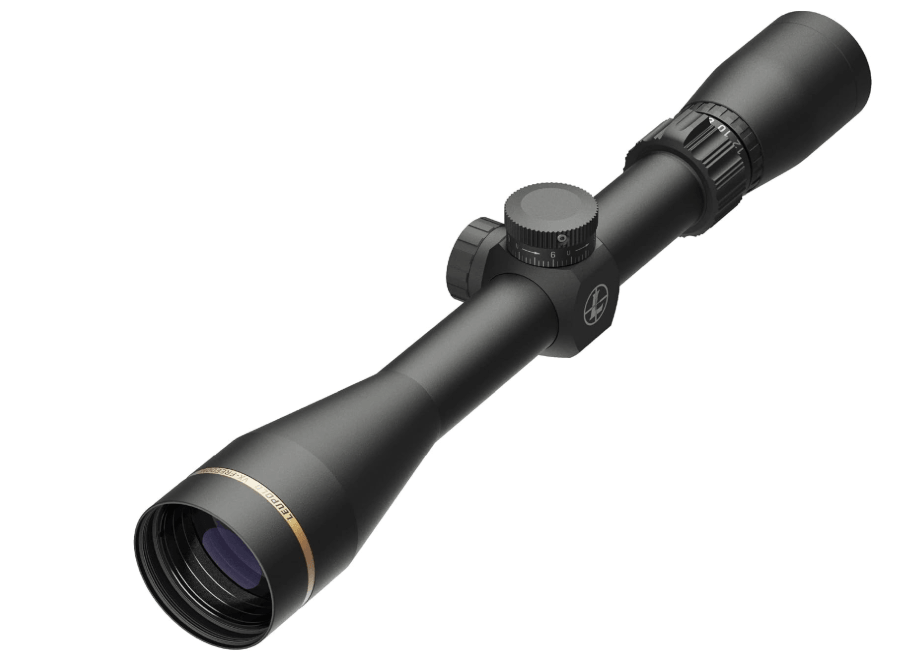
Best for: Hunters who want a lighter optic with adjustable parallax and a measurement-based reticle
The Leupold VX-Freedom 4-12×40 CDS Side Focus Tri-MOA offers a different balance from the higher-powered, 50mm-objective Burris. It uses a 40mm objective and a 30mm main tube, with side focus and a Tri-MOA reticle. Its published weight is 15.7 ounces.
Why Choose It
For a Paramount that sees both field use and range sessions, the 4–12× range can provide a practical compromise. The scope offers more top-end magnification than a conventional 3–9× hunting optic without moving into an especially high-power configuration.
Its Tri-MOA reticle is designed around 1-MOA hash marks, with a wider 5-MOA reference. These markings can help shooters estimate holdover or corrections when they understand the reticle and have verified the relevant distances.
If you’re weighing a lighter hunting optic against a more adjustment-focused model, the distinctions discussed in our rifle scope comparison for .300 Winchester Magnum can also help clarify how magnification, reticle design, and scope weight affect a rifle setup.
Key Features
Magnification: 4–12×
Objective lens: 40mm
Weight: 15.7 ounces
Tube diameter: 30mm
Reticle: Tri-MOA
Focal plane: Second focal plane
Eye relief: 5.2 inches at 4× and 3.8 inches at 12×
Field of view: 19.9–11.2 feet at 100 yards
Parallax: Adjustable, with a minimum parallax-free distance of 35 yards
Adjustment value: 1/4 MOA per click
What These Features Mean in Real Use
At 15.7 ounces, the Leupold is lighter than the listed illuminated Burris configuration. That difference may matter if you’re carrying your rifle through hilly country or holding it for extended periods.
The 40mm objective also helps keep the scope’s front end relatively compact. However, the best low-light performance depends on the entire optical system, not objective diameter alone.
Eye relief deserves special attention. Leupold lists 5.2 inches at minimum magnification and 3.8 inches at maximum magnification. The shorter distance at 12× means you should check your natural shooting position and scope placement rather than assuming the eye-relief figure is identical across the zoom range.
Side focus lets you adjust parallax for the target distance. Meanwhile, the Tri-MOA reticle offers useful measurement references, but its markings should not be confused with a ballistic reticle calibrated specifically to your muzzleloader’s projectile.
Trade-Offs
This model balances weight and adjustment flexibility, but it does not offer the maximum magnification of a 4–16× scope. Its second-focal-plane reticle also requires you to understand how the reticle’s subtensions relate to the selected magnification.
May Not Be Ideal If
You want a dedicated muzzleloader ballistic reticle, prefer a simpler duplex design, or need more than 12× magnification for your range work.
Pros
Relatively light at 15.7 ounces
Side-focus parallax adjustment
Useful 4–12× range
Reticle with clearly defined MOA references
Cons
Less maximum magnification than the 4–16× alternatives
Reticle markings require familiarity
Shorter eye relief at maximum magnification
Best if: You want a versatile hunting scope with adjustable parallax and a measurement-based reticle.
Consider another option if: You prefer a purpose-designed muzzleloader reticle or a higher magnification ceiling.
5. Leupold VX-Freedom 3-9×40 Muzzleloader UltimateSlam
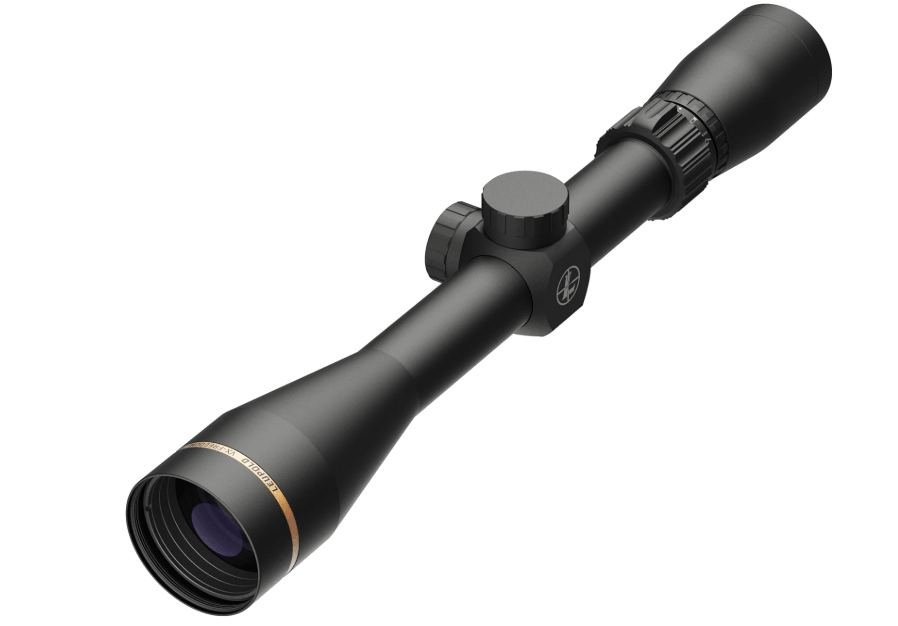
Best for: Hunters who want a muzzleloader-specific reticle in a lightweight hunting scope
The Leupold VX-Freedom 3-9×40 Muzzleloader UltimateSlam stands apart from the other four choices because its reticle is specifically designed for muzzleloaders and shotguns. Rather than relying on a general-purpose crosshair alone, it provides additional aiming references intended to help account for projectile drop.
Why Choose It
This scope deserves attention if you want a straightforward hunting optic rather than a precision-oriented scope with exposed turrets and a complex reticle.
The UltimateSlam reticle is designed around a 100-yard zero, with additional aiming points intended for use at distances out to 300 yards. Leupold also provides power-selector markings to help users tune the reticle for their particular load. These are design intentions, not guarantees of impact at those distances with every muzzleloader.
Key Features
Magnification: 3–9×
Objective lens: 40mm
Weight: 12.2 ounces
Tube diameter: 1 inch
Reticle: UltimateSlam
Focal plane: Second focal plane
Eye relief: 4.2 inches at 3× and 3.7 inches at 9×
Field of view: 33.1–13.6 feet at 100 yards
Parallax: Fixed at 150 yards
Adjustment value: 1/4 MOA per click
Waterproof and fogproof construction
What These Features Mean in Real Use
The 3–9× magnification range favors practical hunting rather than maximum target magnification. At 3×, the wider field of view helps you locate and maintain awareness of a stationary, identified target. At 9×, you gain more visual detail, although the view becomes narrower.
The scope’s 12.2-ounce weight is a meaningful advantage for hunters who carry their rifle for extended periods. Its 40mm objective also avoids some of the bulk associated with larger front lenses.
The UltimateSlam reticle is its most distinctive feature. Because it is a second-focal-plane design, its ballistic references depend on using the intended magnification and setup. Confirm your load’s actual trajectory and verify every aiming point at an appropriate range before relying on it in the field.
The fixed 150-yard parallax setting is simpler than a side-focus system, but it offers less flexibility for close-range or varied-distance target work.
Trade-Offs
The main advantage is simplicity paired with a specialized reticle. However, the scope tops out at 9×, and its fixed parallax may be less suitable for someone who spends substantial time shooting at varied distances from a bench.
Also, a muzzleloader-specific reticle does not automatically make this scope the best choice for every Paramount owner. If your priority is frequent elevation dialing or detailed range work, one of the other configurations may fit better.
May Not Be Ideal If
You regularly use magnification above 9×, need adjustable parallax, or prefer exposed precision turrets for frequent elevation corrections.
Pros
Purpose-designed muzzleloader reticle
Lightweight 12.2-ounce construction
Practical hunting magnification
Waterproof and fogproof design
Cons
Fixed parallax setting
Maximum magnification of 9×
Ballistic references require load-specific verification
Best if: You want a light hunting scope with additional aiming references designed for muzzleloader applications.
Consider another option if: You prioritize adjustable parallax, high magnification, or frequent turret adjustments.
Factors to Consider When Choosing a Scope for the CVA Paramount Muzzleloader
1. Magnification and Field of View
Magnification should match your intended shooting environment rather than the rifle’s maximum potential. A 3–9× scope can suit many hunting situations, while a 4–16× optic offers more visual magnification for stationary targets at a range.
However, higher power narrows the field of view and makes it harder to locate a target quickly. It can also make movement more noticeable when shooting without a stable rest.
Before buying, consider where you expect to hunt. Open terrain and range use may justify more magnification, while dense cover and frequent rifle carrying often favor a lighter, lower-powered optic.
2. Eye Relief and Shooting Comfort
Eye relief is the distance between your eye and the scope’s eyepiece when you see a full image. Proper positioning supports a consistent sight picture and helps prevent the scope from striking your brow during recoil.
Compare the manufacturer’s low- and high-magnification eye-relief figures. Also consider your shooting posture, clothing, and whether you wear glasses. Do not select a scope on its maximum eye-relief figure alone; confirm that the actual mounted setup allows a safe, comfortable position.
3. Reticle Design and Focal Plane
A simple duplex reticle is often sufficient if you use a known zero and understand the projectile’s trajectory. A ballistic reticle offers additional aiming references, but those references are useful only when validated against the specific load and setup.
First-focal-plane reticles maintain their subtensions across magnification settings. Second-focal-plane reticles remain the same apparent size as magnification changes, so their measurement references generally apply at a specified magnification.
The UltimateSlam is the specialized choice in this comparison. The Vortex Diamondback Tactical is the first-focal-plane alternative for buyers who place greater emphasis on range-oriented reticle measurements.
4. Objective Size and Low-Light Performance
A 50mm objective may provide a larger exit pupil than a 40mm objective at the same magnification. Nevertheless, objective size alone does not establish how well a scope performs in fading light.
Lens quality, coatings, magnification, and your own pupil size all affect the image. Larger objectives can also require higher mounting rings, which may change your cheek position and rifle fit.
If dawn and dusk hunting is common, compare the complete optical system and check whether the reticle remains visible against your typical background.
5. Weight and Rifle Balance
A scope that feels manageable on a bench can become tiring after hours of walking. The Leupold UltimateSlam weighs 12.2 ounces, while the illuminated Burris Fullfield IV configuration listed above weighs 21.6 ounces.
That difference may affect how the rifle balances, particularly during off-hand shooting or long hikes. However, a lighter scope is not automatically better if its reticle, magnification, or adjustment features do not meet your needs.
6. Turrets, Parallax, and Mounting Compatibility
Capped turrets are convenient for hunters who generally set their zero and leave the adjustments alone. Exposed turrets are more convenient for shooters who routinely dial corrections, but they require greater care to prevent unintended movement.
Parallax adjustment is useful for varying target distances, especially during range sessions. A fixed-parallax hunting scope is simpler, but it offers less flexibility.
The Paramount’s mounting system deserves equal attention. Confirm the exact rifle version, rail specification, ring diameter, available clearance, and mounting instructions. A scope with a 30mm tube requires different rings from a 1-inch model.
If your main priority is dialing for precision-oriented range use, our long-range scope comparison under $700 provides additional context on adjustment systems and reticle choices without implying that every long-range scope suits every hunting rifle.
For hunters comparing optics across different firearm platforms, the key lesson from our slug gun scope guide for deer hunting is that recoil suitability, eye relief, and the intended application matter just as much as magnification. A scope designed for one firearm should never be assumed suitable for another without checking the manufacturer’s guidance.
Frequently Asked Questions
1. What magnification is best for a CVA Paramount muzzleloader?
A 3–9× or 4–12× scope is a sensible starting point for many hunting situations. A 4–16× model may be more useful for range sessions or stationary targets in open terrain. Choose based on your intended distances, field of view, and ability to shoot consistently.
2. Is a muzzleloader-specific scope necessary for the CVA Paramount?
No. A general-purpose riflescope can be suitable if its mounting compatibility, eye relief, durability, and optical features meet your requirements. A specialized reticle, such as Leupold’s UltimateSlam, is an advantage if you want additional aiming references designed for muzzleloader applications. You must still verify those references against your actual load.
3. Does the CVA Paramount need a 20-MOA rail?
CVA’s original Paramount owner’s manual recommends a one-piece Picatinny rail with a 20-MOA incline for long-range performance. The incline can provide additional elevation-adjustment headroom, but the need depends on your exact rifle, scope, mounting arrangement, and intended use. Confirm the requirements for your model before purchasing a rail.
Conclusion
The best scope for a CVA Paramount muzzleloader is the one that matches your hunting conditions and shooting priorities. The Leupold VX-Freedom UltimateSlam stands out for its lightweight construction and specialized reticle, while the VX-Freedom 4–12×40 offers adjustable parallax and a measurement-based reticle. The Vortex Viper HS, Diamondback Tactical, and Burris Fullfield IV are worth considering if you place greater emphasis on higher magnification or range-oriented features.
Before purchasing, verify the exact model, reticle, mounting compatibility, and current availability. Most importantly, choose an optic that lets you maintain a safe, comfortable shooting position and make well-informed decisions within your demonstrated capabilities.