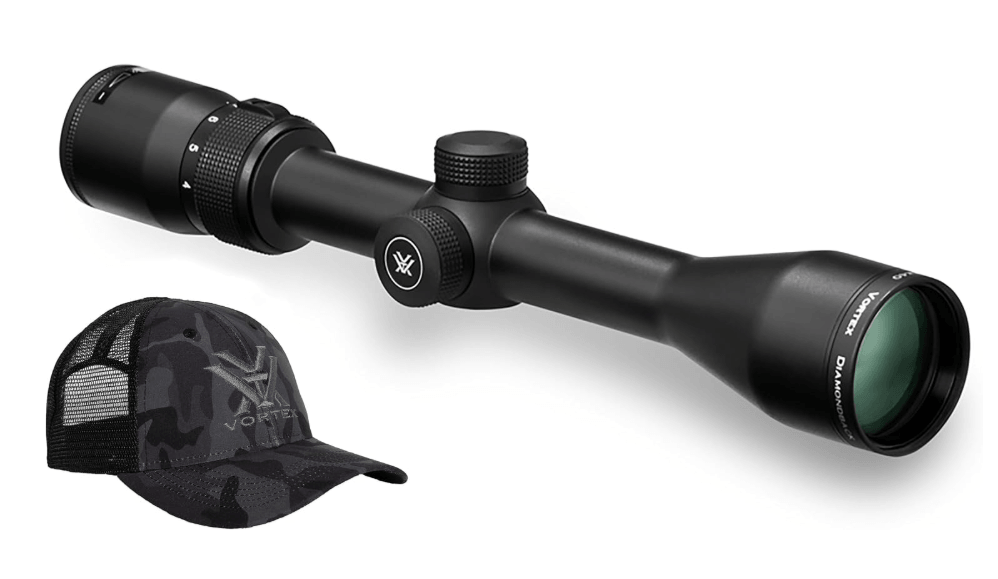
Choosing a scope for a .243 Winchester varmint rifle means balancing magnification, optical clarity, target visibility, and the weight of your complete rifle setup. A scope intended for occasional coyote hunting may not be the best choice for someone who spends long sessions at a shooting bench observing smaller targets across open terrain.
For a versatile setup, a 4–12x scope is a sensible starting point. It offers useful magnification for many hunting and range situations without the bulk of some high-magnification optics. Dedicated varmint shooters may prefer 4–16x or 6–24x models, especially when adjustable parallax and more precise reticle references matter.
This guide compares five riflescopes across different budgets and shooting preferences. The recommendations are based on published specifications and practical analysis, not claims of personal testing. Before buying, confirm the exact model, reticle, mounting compatibility, and current retailer availability.
Quick Decision Table
| Scope | Best for | Weight | Magnification | Key advantage | Check Price |
|---|---|---|---|---|---|
| Leupold VX-Freedom 4-12×40 | Lightweight hunting and general varmint use | 13.1 oz | 4–12x | Lightweight design | 👉 View on Amazon |
| Vortex Diamondback 4-12×40 | Versatile hunting and range use | 14.2 oz | 4–12x | Dead-Hold BDC reticle option | 👉 View on Amazon |
| Burris Fullfield IV 4-16×50 | Higher-magnification varmint and range use | 21.6 oz | 4–16x | Side parallax adjustment | 👉 View on Amazon |
| Bushnell Banner 2 3-9×40 | Budget-conscious hunters | 14.8 oz | 3–9x | Simple, practical magnification | 👉 View on Amazon |
| Vortex Diamondback Tactical 4-12×40 | Shooters who prefer exposed adjustment turrets | 17.5 oz | 4–12x | Exposed turrets and longer eye relief | 👉 View on Amazon |
Quick Recommendations
Choose the Leupold VX-Freedom 4-12×40 if keeping your rifle light matters and you want a useful magnification range for hunting and occasional varmint shooting.
Choose the Vortex Diamondback 4-12×40 if you want a versatile optic with a Dead-Hold BDC reticle option and capped turrets.
Choose the Burris Fullfield IV 4-16×50 if you want more magnification and adjustable parallax for stationary shooting.
Choose the Bushnell Banner 2 3-9×40 if you prefer a straightforward, lower-magnification scope for shorter-range hunting.
Choose the Vortex Diamondback Tactical 4-12×40 if you want exposed turrets and a reticle designed for more deliberate adjustment-based shooting.
How These Products Were Chosen
The selection prioritizes magnification range, weight, reticle design, parallax adjustment, and practical versatility. A .243 Winchester can be used for different applications, so the most suitable scope depends on whether your rifle is carried through the field or used primarily from a fixed shooting position.
A lightweight hunting optic can make a rifle easier to carry throughout the day. By contrast, a heavier scope with more magnification and adjustable parallax may be more appropriate for stationary varmint shooting.
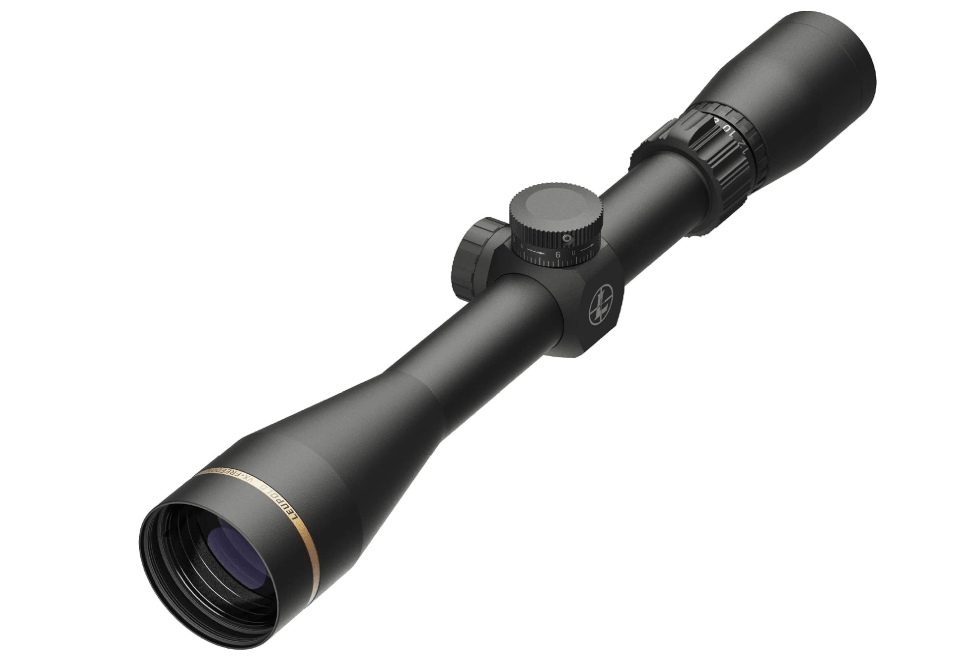
1. Leupold VX-Freedom 4-12×40
Best For
The Leupold VX-Freedom 4-12×40 suits buyers who want a relatively lightweight scope for a .243 Winchester rifle used for hunting and occasional varmint shooting. It is particularly appealing if you carry your rifle over long distances and do not want an unnecessarily heavy optic.
Why Choose It?
Its 4–12x magnification range provides a practical middle ground between a basic hunting scope and a more specialized high-magnification optic. At the lower setting, you retain a wider field of view for locating targets. At the upper setting, you gain more visual detail when observing smaller targets at suitable distances.
The standard 4-12×40 configuration weighs approximately 13.1 ounces, according to Leupold’s published catalog specifications.
That makes it a compelling choice for buyers who prioritize a lighter overall rifle.
Key Features
Magnification: 4–12x
Objective lens: 40mm
Weight: approximately 13.1 oz
Tube diameter: 1 inch
Focal plane: second focal plane
Reticle: varies by configuration
What These Features Mean in Real Use
The 40mm objective lens provides a practical balance between size, mounting height, and light transmission. It does not guarantee superior low-light performance on its own, since lens quality, coatings, magnification, and viewing conditions also matter.
Its lighter weight can be helpful when walking between shooting locations. However, the standard configuration does not provide the same high magnification as a 4–16x or 6–24x optic. That difference becomes more relevant when you need to distinguish fine details on small targets.
Trade-Offs
The main advantage is portability. The main compromise is the lack of specialized long-range features found on some heavier scopes. If adjustable parallax is important for your intended shooting distances, verify the exact model or consider a different configuration.
May Not Be Ideal If
You primarily shoot small targets from a bench and want high magnification, exposed precision turrets, or side parallax adjustment.
Pros
Lightweight for a hunting-oriented scope
Useful 4–12x magnification range
Practical 40mm objective
Suitable for a general-purpose rifle setup
Cons
Less maximum magnification than dedicated varmint optics
Standard model has no side parallax adjustment
Reticle features depend on the selected configuration
Best if: You want a lightweight scope for mixed hunting and varmint use.
Consider another option if: Your priority is high-magnification target observation.
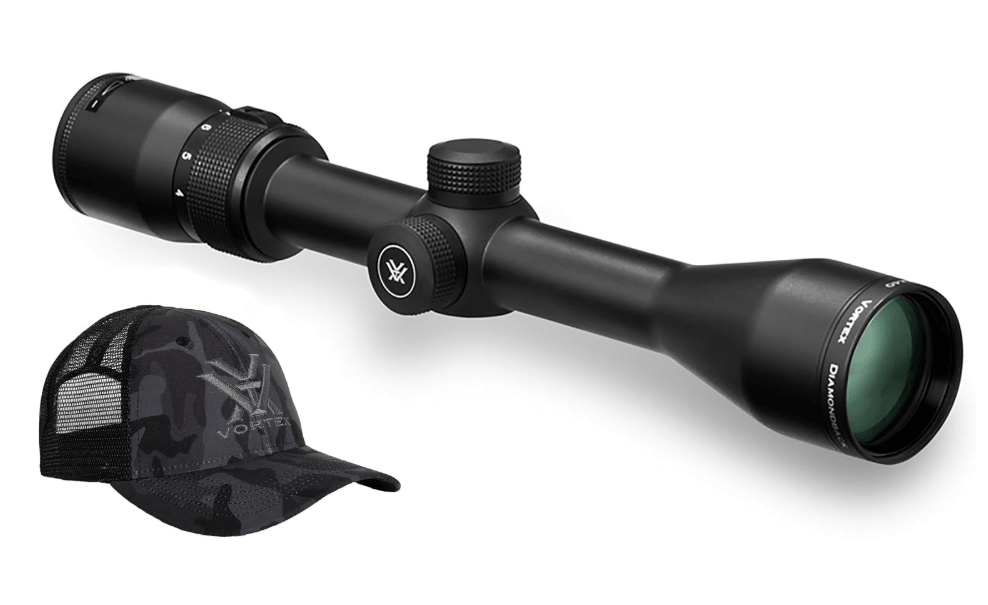
2. Vortex Diamondback 4-12×40
Best For
The Vortex Diamondback 4-12×40 is worth considering if you want one scope for general hunting and occasional varmint shooting without moving to a much heavier precision-oriented optic.
Why Choose It?
Vortex offers this model with different reticles, including the Dead-Hold BDC and V-Plex options. The BDC version provides additional aiming references intended to help with holdover, while the simpler V-Plex version may suit buyers who prefer an uncluttered sight picture.
The Dead-Hold BDC model weighs 14.2 ounces, has a 1-inch tube, and uses capped turrets.
If you’re comparing scopes for a particular rifle platform, our guide to scopes for the Remington 700 can also help you evaluate how rifle compatibility and your intended application influence the choice.
Key Features
Magnification: 4–12x
Objective lens: 40mm
Weight: 14.2 oz for the Dead-Hold BDC model
Focal plane: second focal plane
Tube diameter: 1 inch
Turrets: capped
Parallax setting: 100 yards
What These Features Mean in Real Use
The 4–12x range suits many general hunting situations while providing extra magnification over a basic 3–9x scope. The capped turrets help protect the adjustments against accidental movement during transport.
The Dead-Hold BDC reticle may be useful when estimating holdover, but its markings should not be assumed to match every .243 Winchester load. Bullet weight, muzzle velocity, sight height, and environmental conditions all affect trajectory. Confirm your actual setup at a suitable range rather than relying solely on reticle markings.
Trade-Offs
This is a versatile rather than highly specialized scope. Its fixed 100-yard parallax setting may be less convenient for precision work at varying distances than a model with adjustable parallax.
May Not Be Ideal If
You want side focus, very high magnification, or exposed turrets for frequent elevation adjustments.
Pros
Useful magnification range
Choice of reticles
Capped adjustment turrets
Relatively modest weight
Cons
Fixed parallax setting
BDC references require verification with your ammunition
Maximum 12x magnification may be limiting for some small-target work
Best if: You want a versatile scope for hunting and occasional range use.
Consider another option if: You regularly shoot small targets from a bench and need adjustable parallax.
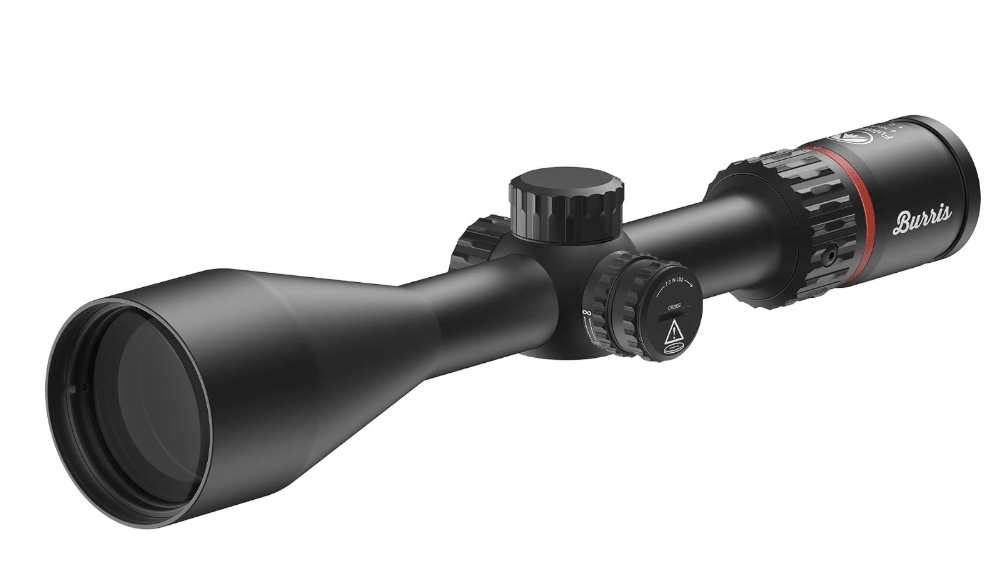
3. Burris Fullfield IV 4-16×50
Best For
The Burris Fullfield IV 4-16×50 is a candidate for shooters who spend more time at the range or in stationary varmint setups than carrying their rifles over long distances.
Why Choose It?
This scope offers a 4–16x magnification range and side parallax adjustment. The manufacturer lists a close-focus capability of 10 yards to infinity for the illuminated Ballistic E3 configuration, although the appropriate use of that feature depends on the shooting application.
The added magnification can help when observing small targets. Meanwhile, adjustable parallax allows you to refine the image and reduce apparent reticle movement relative to the target when your eye position changes.
Key Features
Magnification: 4–16x
Objective lens: 50mm
Weight: 21.6 oz for the illuminated Ballistic E3 model
Tube diameter: 1 inch
Focal plane: second focal plane
Parallax: side focus, 10 yards to infinity
Reticle: varies by model
What These Features Mean in Real Use
The additional 16x setting can be helpful for deliberate shooting at small targets. However, higher magnification narrows the field of view and can make image movement more noticeable, particularly when shooting without a stable rest.
The 50mm objective may support a bright image in suitable conditions, but it also increases the scope’s size and mounting considerations. You may need taller rings, depending on your rifle, barrel profile, and mounting arrangement.
Trade-Offs
Compared with the lighter Leupold and Vortex hunting scopes, this Burris configuration adds considerable weight. It makes more sense when its extra magnification and adjustable parallax serve a clear purpose.
May Not Be Ideal If
You want a lightweight rifle for long walks or need a simple optic for quick target acquisition at close range.
Pros
Higher maximum magnification
Side parallax adjustment
Multiple reticle configurations
Useful for stationary range sessions
Cons
Heavier than the hunting-oriented alternatives
Larger objective can complicate mounting
More magnification is not automatically better in every situation
Best if: You want added magnification and adjustable parallax for deliberate shooting.
Consider another option if: Your main priority is carrying a lightweight hunting rifle.
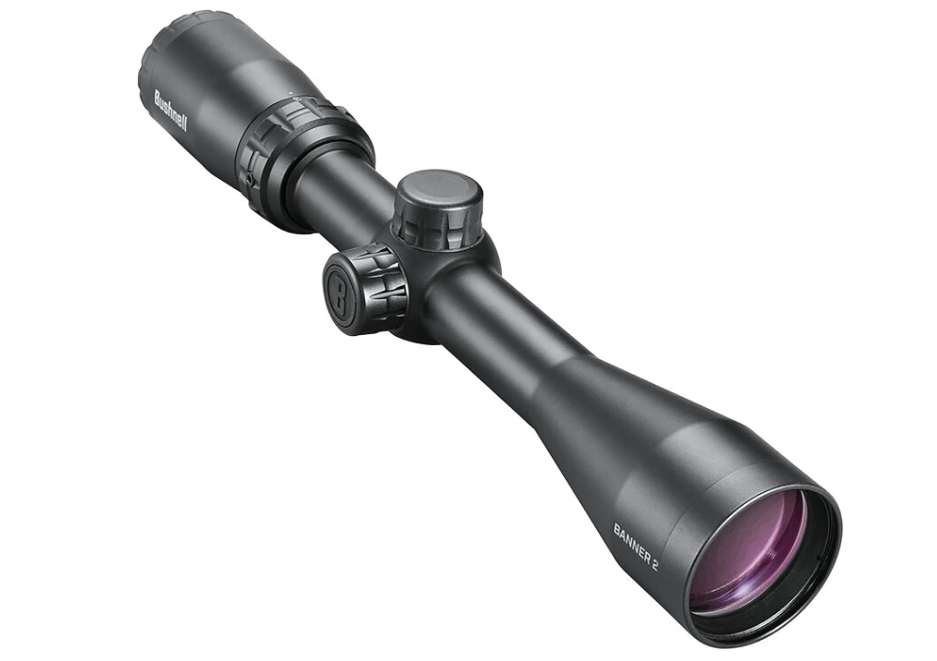
4. Bushnell Banner 2 3-9×40
Best For
The Bushnell Banner 2 3-9×40 is worth considering if your .243 Winchester is mainly used for general hunting and occasional varmint shooting at shorter or moderate distances.
Why Choose It?
A 3–9x magnification range keeps the design straightforward. The lower setting offers a wider field of view for finding a target, while 9x provides additional detail when the situation allows for more deliberate aiming.
Bushnell’s published manual lists the standard 3-9×40 QBR configuration at 14.8 ounces, with capped turrets and a fixed 100-yard parallax setting. The illuminated QBR variant has different specifications, so verify the SKU before buying.
Key Features
Magnification: 3–9x
Objective lens: 40mm
Weight: 14.8 oz for the standard QBR configuration
Eye relief: 3.5 inches for that configuration at maximum magnification
Turrets: capped
Parallax: fixed at 100 yards
What These Features Mean in Real Use
The lower 3x setting can make it easier to acquire a target across a wider view than a scope starting at 4x or 6x. That can be helpful when hunting in areas with vegetation or when the target appears closer than expected.
However, 9x provides less magnification than the 12x and 16x alternatives in this guide. That limitation may matter when trying to distinguish smaller targets at greater distances.
The fixed parallax setting is another consideration for shooters who frequently change distances during precision range sessions.
Trade-Offs
The Banner 2 emphasizes simplicity rather than advanced adjustment features. It can be a sensible choice for a basic hunting setup, but buyers focused on small-target precision may benefit from a scope with more magnification and adjustable parallax.
May Not Be Ideal If
You regularly shoot small varmints at extended distances or want side focus and more specialized reticle features.
Pros
Straightforward 3–9x magnification
Practical 40mm objective
Capped turrets
Relatively simple feature set
Cons
Lower maximum magnification
Fixed parallax setting
Exact specifications vary by SKU and reticle
Best if: You need a simple hunting-oriented scope for shorter and moderate distances.
Consider another option if: Your rifle is primarily a dedicated varmint or precision range platform.
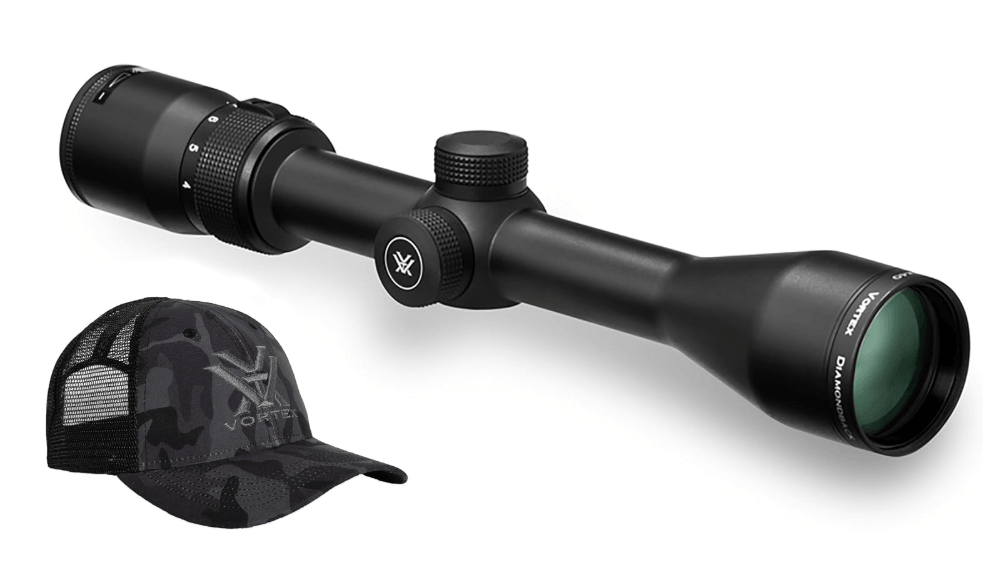
5. Vortex Diamondback Tactical 4-12×40
Best For
The Vortex Diamondback Tactical 4-12×40 suits shooters who prefer exposed adjustment turrets and a more adjustment-focused design than a conventional hunting scope.
Why Choose It?
Unlike the standard Diamondback, the Tactical version has exposed turrets and a VMR-1 MOA reticle. Its published specifications include 3.9 inches of eye relief, a 1-inch tube, and a fixed 100-yard parallax setting. The listed weight is 17.5 ounces.
The exposed turrets make adjustments more accessible. This can be useful for range shooting when you deliberately dial elevation, although it also means you need to pay attention to turret position during transport.
Key Features
Magnification: 4–12x
Objective lens: 40mm
Weight: 17.5 oz
Focal plane: second focal plane
Reticle: VMR-1 MOA
Turrets: exposed
Parallax: fixed at 100 yards
What These Features Mean in Real Use
The VMR-1 MOA reticle provides reference markings for estimating corrections, while the exposed turrets are designed to make adjustment easier. These features can suit deliberate range use, provided you understand the reticle’s subtensions and the relationship between your adjustments and point of impact.
The 4–12x magnification remains versatile, but the fixed parallax setting is a limitation if you want to fine-tune parallax across a broad range of distances.
If you are comparing optics for a different rifle platform, our guide to scopes for the Savage Axis deer rifle provides another example of how intended use and rifle configuration affect scope selection.
Trade-Offs
The exposed turrets offer convenient access but are less protected than capped adjustments. The scope is also heavier than the standard Diamondback 4-12×40, and its adjustment-focused design may not be necessary for someone who simply wants a hunting optic.
May Not Be Ideal If
You want a lightweight, uncomplicated hunting scope or require adjustable parallax for frequent precision shooting at varying distances.
Pros
Exposed adjustment turrets
MOA reticle references
4–12x magnification
Longer listed eye relief than the standard Diamondback model
Cons
Heavier than the standard Diamondback
Fixed parallax setting
Exposed turrets require more attention during transport
Best if: You prefer accessible turret adjustments for deliberate range shooting.
Consider another option if: You prioritize low weight and simple field handling.
Factors to Consider When Choosing a Scope for a .243 Winchester Varmint Rifle
1. Magnification
Magnification should match the way you use your rifle rather than simply being as high as possible.
A 3–9x or 4–12x scope may suit a mixed hunting and varmint role. A 4–16x model offers more magnification for stationary shooting, while higher-power optics can be useful for dedicated bench work.
Remember that higher magnification narrows the field of view and makes movement more noticeable. Choose a range that suits your typical conditions.
2. Objective Lens and Optical Quality
The objective lens affects the amount of light entering the scope, but a larger lens does not automatically produce a brighter or clearer image.
A 40mm objective offers a useful balance between size and light transmission. A 50mm objective may appeal to someone who prioritizes a larger exit pupil at comparable magnification, but it can increase weight and mounting height.
Lens quality, coatings, magnification, and ambient light also influence the image. Compare the whole optical system rather than relying on objective diameter alone.
3. Weight and Rifle Balance
Scope weight matters if you carry your rifle through fields or woodland. A lighter optic can help preserve the handling characteristics of a hunting rifle, while a heavier scope may be acceptable on a rifle used mostly from a bench or supported position.
Consider the weight of the scope, rings, and other accessories together. A larger optic may change the rifle’s balance and cheek position, so check mounting compatibility before purchasing.
4. Reticle Design
A simple duplex-style reticle offers an uncluttered aiming point. A ballistic drop-compensating reticle provides additional references, while an MOA-based reticle can support more deliberate corrections.
Neither type automatically guarantees better results. Ballistic markings depend on the ammunition and rifle setup, while MOA references require an understanding of the measurement system. Learn the reticle and verify its references at a suitable range.
5. Parallax Adjustment
Parallax can cause the reticle to appear to move across the target when your eye position changes. That matters more when aiming at small targets with higher magnification.
A fixed 100-yard parallax setting may be adequate for many general hunting situations. Adjustable parallax can be useful for precision work at varying distances because it lets you refine the image and reduce parallax error.
6. Eye Relief and Mounting
Eye relief is the distance your eye should be from the ocular lens to see the full image. Adequate eye relief supports comfortable, consistent positioning.
Check the manufacturer’s eye-relief figures at different magnifications, not just one number. Also confirm the scope’s tube diameter, objective clearance, ring height, and compatibility with your rifle’s mounting system.
7. Turrets and Adjustment System
Capped turrets help protect adjustments against accidental movement, which suits many hunting setups. Exposed turrets provide convenient access for shooters who intentionally dial corrections.
The right choice depends on your preferences and use. If you choose a scope with exposed turrets, learn how to check and reset your adjustments as needed.
8. Durability and Weather Resistance
A hunting scope may encounter rain, dust, temperature changes, and repeated handling. Check the manufacturer’s specifications for waterproofing, fogproofing, construction, and warranty coverage.
Do not assume that every model in a product family has identical protection. Confirm the exact configuration and follow the manufacturer’s mounting instructions.
For readers who also compare optics for small-target range work, our guide to the best .22 rifle scopes for target shooting explains why reticle design, parallax adjustment, and magnification deserve attention when precision matters.
Frequently Asked Questions
1. What magnification is best for a .243 Winchester varmint rifle?
A 4–12x scope is a useful starting point for mixed hunting and varmint use. If you mainly shoot from a bench and need more detail on smaller targets, a 4–16x scope may be worth considering. Your typical distances, target size, and shooting position should guide the decision.
2. Is a 50mm objective lens better than a 40mm lens?
Not automatically. A 50mm objective can provide a larger exit pupil at the same magnification, but it usually adds bulk and may require higher mounting rings. A quality 40mm scope can be a better overall choice if you value portability and a lower mounting position.
3. Do I need adjustable parallax on a .243 Winchester scope?
Not necessarily. A fixed-parallax scope can suit many general hunting applications. However, adjustable parallax is useful when shooting small targets at different distances, especially at higher magnification. If precision varmint shooting is your main priority, it is a feature worth considering.
Conclusion
The best scope for a .243 Winchester varmint rifle depends on how you use the rifle. The Leupold VX-Freedom 4-12×40 is a strong candidate if low weight matters, while the Vortex Diamondback 4-12×40 offers a versatile alternative with a choice of reticles. For more magnification and adjustable parallax, the Burris Fullfield IV 4-16×50 is worth considering.
The Bushnell Banner 2 3-9×40 suits buyers who prefer a straightforward hunting optic, while the Vortex Diamondback Tactical 4-12×40 appeals to those who want exposed turrets and adjustment-focused features.
Before purchasing, compare the exact specifications, confirm mounting compatibility, and choose an optic that fits your intended use and budget. You do not need the highest magnification or the largest objective lens; you need a scope whose features make sense for your rifle and shooting conditions.