The best scope for a 6.5 Creedmoor deer rifle depends on where you hunt, how far you typically shoot, and whether you prioritize low-light visibility, lightweight equipment, or precise aiming at longer distances.
For most deer hunters, the goal is not to buy the scope with the highest magnification. It is to choose an optic that provides a useful field of view, comfortable eye relief, dependable adjustments, and a reticle suited to the distances they realistically expect to encounter. A lightweight scope may be preferable for walking through timber, while a higher-magnification model may suit hunters who regularly glass open fields or western terrain.
This guide compares five scopes with different strengths so you can narrow your choice according to your hunting style, budget, and preferred shooting distance. The recommendations focus on product specifications and practical buying considerations rather than unsupported claims of hands-on testing.
Quick Comparison Table
| Scope | Best for | Weight | Magnification | Key advantage | Check Price |
| Leupold VX-5HD Gen 2 3-15×44 | Premium all-around hunting | 19.9 oz | 3-15× | Versatile magnification and locking elevation dial | 👉 View on Amazon |
| Leupold VX-Freedom 3-9×40 | Straightforward deer hunting | 12.2 oz | 3-9× | Lightweight, simple design | 👉 View on Amazon |
| Burris Fullfield 3-12×42 | Practical everyday hunting | 14.7 oz | 3-12× | Moderate weight with useful magnification | 👉 View on Amazon |
| Vortex Viper HS 4-16×44 | Open country and varied distances | 19.2 oz | 4-16× | Side parallax adjustment and BDC reticle | 👉 View on Amazon |
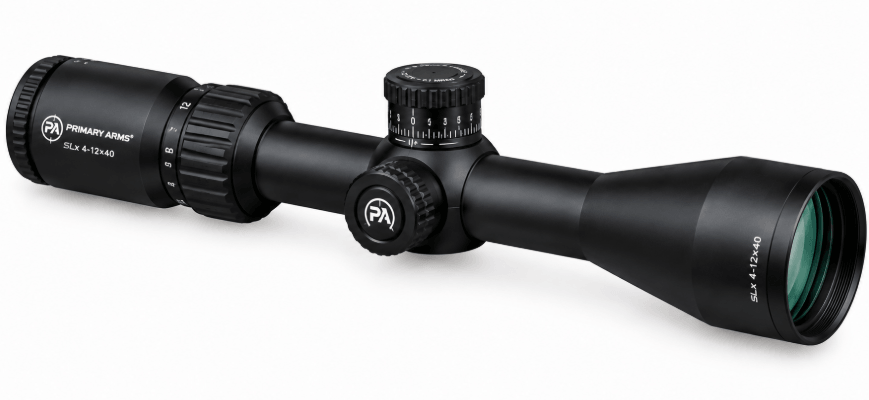
| Primary Arms SLx 4-12×40 SFP | Hunters prioritizing portability | 15.6 oz | 4-12× | Lightweight hunting configuration | 👉 View on Amazon |
Quick Recommendations: Which Scope Should You Choose?
Choose the Leupold VX-5HD Gen 2 if you want a premium hunting optic with a broad magnification range and an elevation adjustment system suited to hunters who dial for distance.
Choose the Leupold VX-Freedom 3-9×40 if you want a light, uncomplicated scope for conventional deer hunting.
Choose the Burris Fullfield 3-12×42 if you want a useful middle ground between a traditional hunting scope and a higher-magnification optic.
Choose the Vortex Viper HS 4-16×44 if you hunt open terrain and value additional magnification, a BDC reticle, and side focus.
Choose the Primary Arms SLx 4-12×40 SFP if you want a relatively lightweight scope with more top-end magnification than a traditional 3-9×40.
How These Scopes Were Chosen
The most useful 6.5 Creedmoor deer-hunting scope is one that fits your actual hunting conditions. A hunter moving through thick woodland needs a different balance of magnification, weight, and field of view than someone watching a distant field from a stationary position.
The comparison therefore considers magnification, weight, objective diameter, eye relief, reticle design, adjustment controls, and practical handling. Manufacturer documentation is used for the specifications, with model variations identified where necessary. For broader context on deer-hunting optics, the guide to rifle scopes for deer hunting also discusses how terrain and low-light conditions affect scope selection.
1. Leupold VX-5HD Gen 2 3-15×44 — Best Premium All-Around Scope
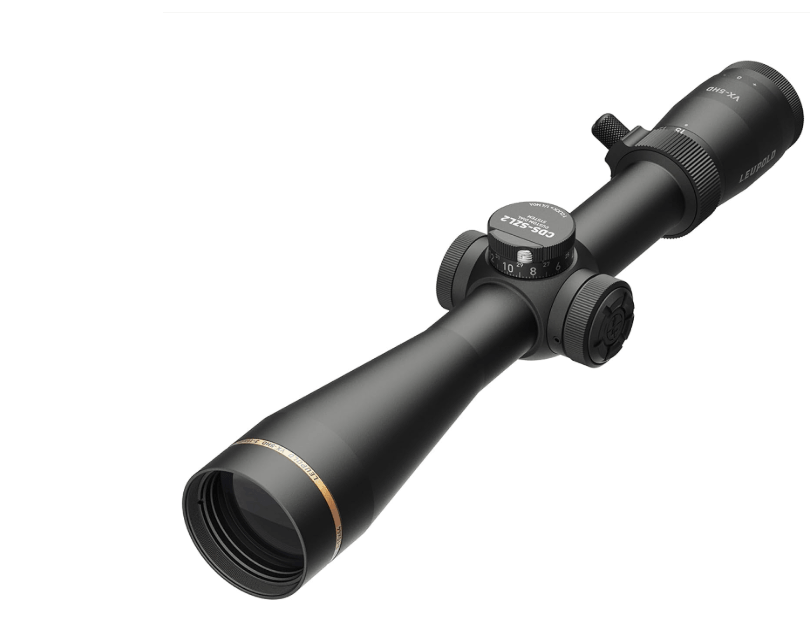
Best for: Hunters who want one versatile optic for woodland edges, fields, and open-country deer hunting.
The Leupold VX-5HD Gen 2 3-15×44 is a strong candidate if you want an optic that can adapt to changing terrain without moving to a very high-magnification design. Its 3-15× range offers a useful balance between a broad view at lower power and greater detail at higher power.
Key features
Magnification: 3-15×
Objective lens: 44 mm
Weight: 19.9 oz for the non-illuminated Duplex configuration
Reticle: Second focal plane
Main tube: 30 mm
Adjustment system: CDS-SZL2 locking elevation dial with SpeedSet re-zeroing
Side-focus parallax adjustment
What these features mean in real use
At 3×, the scope provides a wider field of view than it does at 15×, which can help you locate a deer in a clearing or follow movement near woodland edges. At higher magnification, you can see more detail when observing a stationary animal at a distance. However, extra magnification does not replace a stable shooting position, accurate distance information, or sound judgment about whether a shot is appropriate.
The 44 mm objective also avoids the larger front profile of many 50 mm or 56 mm scopes. The trade-off is that the VX-5HD still weighs nearly 20 ounces, so it is not the lightest choice for a rifle carried over long distances.
The CDS-SZL2 system is particularly relevant if you prefer to dial a verified elevation correction instead of relying entirely on a holdover mark. Any custom ballistic dial must be matched to your ammunition and actual ballistic conditions; it should not be treated as automatically accurate for every 6.5 Creedmoor load.
Trade-offs
You get a flexible magnification range, a locking elevation adjustment, and a hunting-oriented design. In return, you pay for premium features and carry more weight than you would with a basic 3-9×40 scope.
May not be ideal if
You mainly hunt thick cover at relatively short distances, want the lightest possible rifle, or prefer an uncomplicated optic without advanced adjustment features.
Pros
Broad 3-15× magnification range
Locking elevation dial
Side-focus parallax adjustment
Multiple reticle configurations
Cons
Nearly 20 ounces in the cited configuration
Premium product category
Additional controls may be unnecessary for straightforward deer hunting
Decision summary
Best if: You want a versatile, premium hunting scope that can accommodate different types of terrain.
Consider another option if: Your priority is minimum weight, simplicity, or a lower purchase budget.
2. Leupold VX-Freedom 3-9×40 — Best Lightweight, Straightforward Option
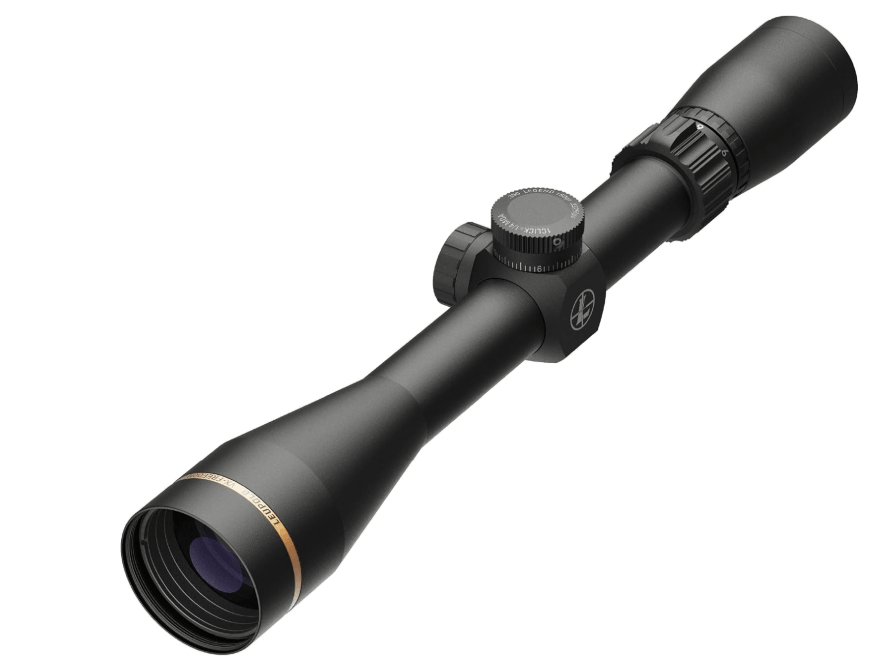
Best for: Hunters who want a simple scope for familiar deer-hunting conditions.
The Leupold VX-Freedom 3-9×40 Hunt-Plex takes a different approach from the premium VX-5HD. Instead of offering a wide magnification range and advanced dialing features, it prioritizes a straightforward hunting setup with a traditional reticle and relatively low weight.
Key features
Magnification: 3-9×
Objective lens: 40 mm
Weight: 12.2 oz
Reticle: Hunt-Plex, second focal plane
Eye relief: 4.2 inches at 3× and 3.7 inches at 9×
Fixed parallax-free distance: 150 yards
What these features mean in real use
At the lower magnification setting, you have a wider field of view for locating deer and maintaining awareness of the surrounding scene. At 9×, you gain more visual detail for situations where additional magnification is useful.
Its 12.2-ounce weight is a major practical advantage for hunters who walk considerable distances. A lighter optic can also help maintain the rifle’s balance, particularly on a lightweight hunting rifle.
The Hunt-Plex reticle uses thicker outer posts and a finer central aiming area. This design offers a clear aiming reference without a complicated grid of holdover markings. For many conventional hunting situations, that simplicity can be an advantage.
The 40 mm objective helps keep the scope compact, although image brightness depends on the entire optical system, not lens diameter alone. If low-light viewing is a major priority, compare actual optical performance rather than assuming a larger objective automatically produces a better image.
Trade-offs
This is the most lightweight option in this comparison, but its 3-9× range offers less top-end magnification than the other four choices. It also lacks a precision side-focus adjustment and the advanced elevation system found on the VX-5HD Gen 2.
May not be ideal if
You regularly hunt broad, open country and want higher magnification, or you prefer a scope designed around frequent elevation dialing.
Pros
Low weight at 12.2 oz
Simple Hunt-Plex reticle
Useful 3-9× range for general hunting
Straightforward controls
Cons
Less maximum magnification than the alternatives
No precision side-focus adjustment
Limited appeal for hunters who want extensive dialing features
Decision summary
Best if: You value a light rifle, straightforward operation, and a traditional deer-hunting scope.
Consider another option if: You need higher magnification or frequently use advanced elevation adjustments.
3. Burris Fullfield 3-12×42 — Best Practical Middle Ground
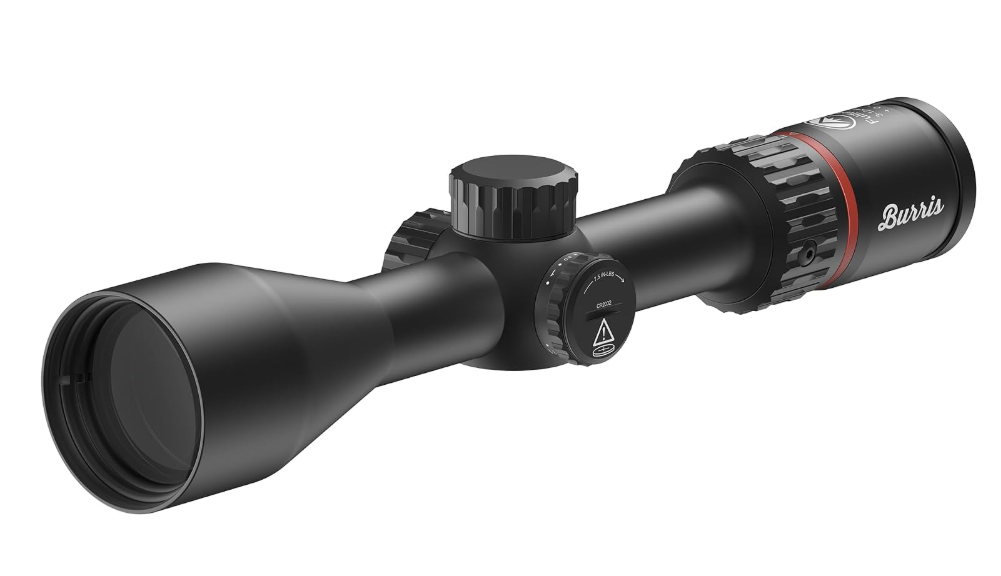
Best for: Hunters who want moderate weight with additional magnification beyond 9×.
The Burris Fullfield 3-12×42 occupies a useful middle ground. Its 3-12× magnification range gives you more flexibility than a traditional 3-9× scope without requiring the higher magnification range of the Vortex Viper HS.
Burris offers this scope in several configurations, including Plex and Ballistic E3 reticles, plus an illuminated Wind Ret version. The specifications below refer to the standard non-illuminated models, item numbers 201530 and 201531.
Key features
Magnification: 3-12×
Objective lens: 42 mm
Weight: 14.7 oz for the standard configurations
Reticle: Ballistic E3 or Plex, depending on model
Main tube: 1 inch
Eye relief: 3.9-4.2 inches
Parallax: Fixed at 100 yards on the standard non-illuminated versions
What these features mean in real use
The 3× low end is useful when you want a broad view for locating a deer, while 12× gives you more magnification for observing details in open terrain. The 14.7-ounce weight is also manageable for a hunting rifle that will be carried rather than fired exclusively from a stationary position.
Reticle selection is important here. The Plex version keeps the sight picture simple. The Ballistic E3 version provides additional reference marks intended to assist with holdover and wind corrections. However, its references should not be assumed to match every 6.5 Creedmoor load automatically. Confirm the exact reticle instructions and verify the relevant ballistic data before relying on those marks.
The standard model’s fixed 100-yard parallax setting also keeps operation simple. By contrast, the illuminated Wind Ret configuration, item 201533, adds illumination and side focus but weighs 15.3 ounces and has different adjustment features.
Trade-offs
The Fullfield combines moderate weight, a useful magnification range, and a choice of reticles. However, the standard configurations do not offer adjustable parallax, and you must select the correct version rather than assuming every Fullfield 3-12×42 has identical features.
May not be ideal if
You want the lightest possible setup, need side-focus parallax adjustment in the standard version, or prefer the broader magnification range and advanced elevation controls of a premium optic.
Pros
Useful 3-12× magnification range
Moderate 14.7-ounce weight
Choice of simple or ballistic reticles
Standard versions have straightforward capped adjustments
Cons
Standard versions have fixed parallax
Reticle features vary by configuration
Ballistic references require verification for the intended load
Decision summary
Best if: You want a versatile everyday deer-hunting scope without the weight of a large precision optic.
Consider another option if: You need advanced adjustment features or prefer a particularly lightweight scope.
4. Vortex Viper HS 4-16×44 — Best for Open-Country Hunting
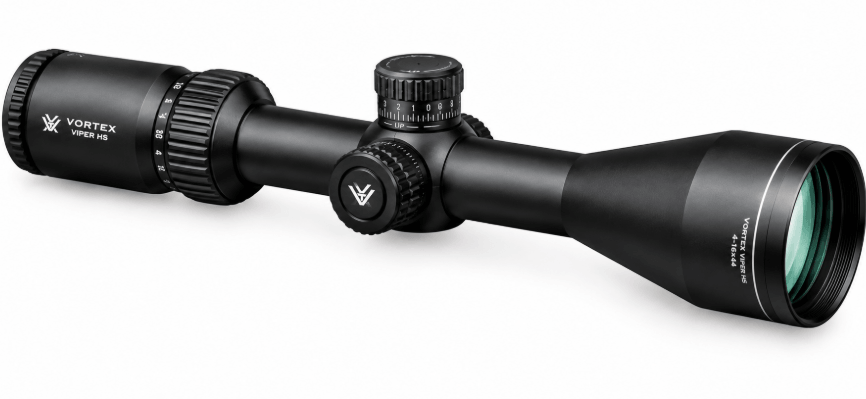
Best for: Hunters who regularly hunt fields, open hillsides, and terrain where additional magnification is useful.
The Vortex Viper HS 4-16×44 Dead-Hold BDC MOA offers a higher magnification ceiling than the first three scopes. It is worth considering when your hunting environment allows you to take advantage of a more detailed sight picture.
Key features
Magnification: 4-16×
Objective lens: 44 mm
Weight: 19.2 oz
Reticle: Dead-Hold BDC MOA, second focal plane
Main tube: 30 mm
Eye relief: 4 inches
Parallax adjustment: 50 yards to infinity
Capped turrets
What these features mean in real use
The 4-16× range favors observation in open terrain. The 4× low end offers less field of view than the 3× starting magnification of the Leupold VX-5HD, VX-Freedom, and Burris Fullfield. However, the additional magnification can help you observe a distant animal more closely when conditions permit.
The Dead-Hold BDC MOA reticle incorporates reference marks intended to assist with holdover and windage corrections. These marks are useful only when you understand their subtensions and have verified how they correspond to your particular ammunition and conditions.
Side-focus parallax adjustment lets you adjust focus for different distances. This is a useful feature for hunters who want more control over the sight picture, although it also adds a control that a simpler scope does not require.
At 19.2 ounces, the Viper HS is heavier than the Burris Fullfield and Leupold VX-Freedom. If your hunt involves long climbs or extensive walking, consider whether its additional magnification justifies that extra weight.
Hunters comparing other cartridge-specific options can also consult the Optics Find guide to scopes for 6.5 Creedmoor, while keeping in mind that the best configuration for hunting depends on more than cartridge compatibility alone.
Trade-offs
The Viper HS gives you a broad magnification range, side focus, and a ballistic reticle. In return, it is heavier than simpler hunting optics, and its 4× minimum magnification may be less convenient in dense cover.
May not be ideal if
You primarily hunt in thick woodland, want the broadest possible field of view, or prefer a lightweight rifle with minimal controls.
Pros
4-16× magnification range
Side-focus parallax adjustment
Dead-Hold BDC reticle
Capped turrets for a hunting-oriented setup
Cons
Weighs 19.2 oz
4× minimum magnification is less versatile in close cover
BDC references require verification for the intended load
Decision summary
Best if: You hunt open country and want additional magnification with practical reticle references.
Consider another option if: You prioritize low weight, simple operation, or fast target acquisition in thick cover.
5. Primary Arms SLx 4-12×40 SFP — Best Lightweight Alternative with More Magnification
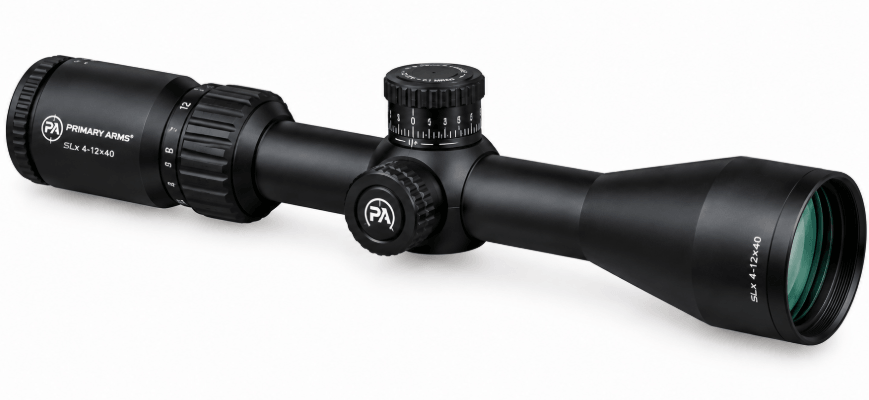
Best for: Hunters seeking a lightweight scope with a 12× maximum magnification.
The Primary Arms SLx 4-12×40 SFP Hunting Rifle Scope offers a useful alternative for hunters who want more magnification than a 3-9× scope but do not want to move to a heavier 4-16× design.
Primary Arms lists its SLx hunting range in lightweight configurations, including a 4-12×40 SFP model. The manufacturer’s hunting-optics information lists this configuration at 15.6 ounces.
Key features
Magnification: 4-12×
Objective lens: 40 mm
Weight: 15.6 oz
Reticle: Second focal plane
Hunting-focused, lightweight design
What these features mean in real use
The 4-12× range gives you a higher maximum magnification than the Leupold VX-Freedom while keeping the scope relatively light. This can be appealing if you hunt mixed terrain and want a little more magnification for observing deer in open areas.
The 40 mm objective keeps the front of the scope compact. That can help when balancing a hunting rifle and choosing mounting hardware. However, the smaller objective is not automatically inferior in every condition, nor does it guarantee the same low-light performance as a more expensive optic. Glass quality, lens coatings, magnification, and the viewing environment all contribute to the final image.
The second focal plane design keeps the reticle’s apparent size consistent as magnification changes. If the selected reticle includes ballistic references, check the manufacturer’s instructions to determine the magnification at which those references are calibrated.
Before purchasing, confirm the exact SLx 4-12×40 model and reticle. Specifications and features should not be transferred from another SLx configuration simply because the product names are similar.
Trade-offs
The SLx offers moderate weight and a useful 4-12× range. However, it begins at 4× rather than 3×, and the cited configuration does not provide the same documented feature set as the premium Leupold VX-5HD or the Vortex Viper HS.
May not be ideal if
You want a very wide field of view in thick cover, advanced side-focus controls, or a premium elevation-dial system.
Pros
Moderate weight at 15.6 oz
4-12× magnification range
Compact 40 mm objective
Hunting-oriented configuration
Cons
4× minimum magnification
Fewer documented advanced adjustment features than some alternatives
Exact reticle and configuration need verification before purchase
Decision summary
Best if: You want a relatively light scope with a little more magnification than a traditional 3-9× model.
Consider another option if: Your priority is a very wide field of view or advanced adjustment controls.
Factors to Consider When Choosing a 6.5 Creedmoor Deer-Hunting Scope
1. Magnification and Field of View
Magnification should match the terrain you hunt rather than the maximum distance the cartridge can theoretically reach.
A 3-9× scope is a sensible starting point for many conventional deer-hunting situations. A 3-12× or 3-15× model adds flexibility for mixed terrain, while a 4-16× scope may be more appealing in open country.
Remember that increasing magnification narrows the field of view and makes movement more noticeable. A scope that looks impressive at maximum power may be less convenient when you need to locate an animal quickly.
2. Objective Lens and Low-Light Visibility
Deer may be active around dawn and dusk, so optical clarity matters. A 40 mm objective can help keep a scope compact, while a 44 mm objective offers a different balance of size and light collection.
However, objective diameter alone does not determine brightness. Glass quality, lens coatings, magnification, exit pupil, and ambient light also matter. Compare optical performance and weight together rather than choosing solely by the largest lens.
3. Eye Relief and Shooting Comfort
Eye relief is the distance between your eye and the eyepiece when you can see the full image. A comfortable, consistent sight picture helps you position your head naturally and maintain alignment.
Check the manufacturer’s eye-relief figures at both low and high magnification. Also consider your shooting position, rifle stock, and whether you wear glasses. Correct scope mounting is essential for comfortable, safe use.
4. Reticle Type and Focal Plane
A simple Duplex-style reticle is easy to understand and suits hunters who prefer a clean aiming point. A ballistic reticle offers additional reference marks, but those marks must be understood and verified for the ammunition and conditions being used.
A second focal plane reticle retains a consistent apparent size as magnification changes. A first focal plane reticle changes apparent size with magnification, keeping its subtensions consistent relative to the target. Neither is automatically best for every deer hunter.
If you expect to use holdover references regularly, learn the reticle’s subtensions and verify the relevant ballistic data before relying on them.
5. Weight and Rifle Balance
Scope weight affects how comfortable your rifle is to carry throughout a long hunt. A 12.2-ounce optic and a 19.9-ounce optic can produce noticeably different overall setups once rings and other accessories are included.
For hunters covering steep terrain or walking for hours, a lighter configuration may be worth prioritizing. If your rifle is used mainly from a stationary position, the added weight of a more feature-rich scope may be less important.
Hunters who place portability first can compare additional options in the Optics Find lightweight rifle scope guide.
6. Turrets, Parallax, and Practical Adjustments
Capped turrets help protect settings from accidental changes, making them convenient for straightforward hunting. Exposed or specialized elevation systems may suit hunters who frequently dial verified corrections.
Parallax adjustment can help refine the sight picture at different distances. However, not every deer hunter needs a side-focus control, particularly when using a scope with a fixed parallax setting appropriate to its intended application.
Choose features you understand and expect to use. More controls do not automatically make a scope a better fit for your needs.
7. Durability and Weather Resistance
A hunting scope should be appropriate for exposure to rain, temperature changes, dust, and ordinary field handling. Look for manufacturer-documented waterproofing, fogproofing, and shock resistance.
Also confirm that the scope’s tube diameter, mounting requirements, and eye relief are compatible with your rifle. Have the scope mounted and checked by a qualified gunsmith when needed, and confirm zero before hunting.
Frequently Asked Questions
1. What magnification is best for 6.5 Creedmoor deer hunting?
For many conventional deer-hunting situations, 3-9× is a practical starting point. A 3-12× or 3-15× scope provides additional flexibility for open terrain. Choose based on your typical environment, field of view, and experience rather than maximum magnification alone.
2. Is a 3-9×40 scope enough for 6.5 Creedmoor?
Yes. A 3-9×40 can be a suitable choice for many deer hunters, particularly those who prioritize portability, simple operation, and a wide field of view at lower magnification. A higher-magnification scope may be preferable if your hunting conditions regularly require more detailed observation.
3. Should I choose a first focal plane or second focal plane scope?
A second focal plane scope often suits hunters who prefer a simple reticle and conventional hunting setup. A first focal plane model can be useful when you need reticle subtensions to remain consistent across magnification settings. Your choice should depend on how you intend to use the reticle.
Conclusion
The best scope for 6.5 Creedmoor deer hunting is the one that fits your terrain, carrying needs, and preferred way of using the reticle.
The Leupold VX-5HD Gen 2 3-15×44 offers a premium, versatile setup. The Leupold VX-Freedom 3-9×40 is the lightweight, straightforward alternative. The Burris Fullfield 3-12×42 provides a practical middle ground, while the Vortex Viper HS 4-16×44 favors open-country use. The Primary Arms SLx 4-12×40 SFP offers another option for hunters balancing weight and magnification.
Before choosing, compare the exact model, reticle, eye relief, weight, and adjustment features. Prioritize optical clarity and practical handling over specifications you may never use.