
Table of Contents
ToggleChoosing the best beginner camera for wedding photography is one of the most important decisions an aspiring photographer can make. Weddings are filled with once-in-a-lifetime moments; from the bride walking down the aisle to the couple’s first dance and heartfelt family interactions; and having the right camera ensures you can capture these memories with confidence and clarity. Fortunately, today’s beginner-friendly cameras offer many of the advanced features once reserved for professional models, including fast autofocus, impressive low-light performance, high-resolution sensors, and stunning 4K video recording. Whether you’re photographing your first wedding, building a photography portfolio, or starting a wedding photography business, investing in a reliable camera can make all the difference.
In this guide, we’ve rounded up the 9 best beginner cameras for wedding photography, carefully selected for their image quality, ease of use, performance, and overall value. From budget-friendly DSLRs to feature-packed mirrorless cameras, you’ll find the perfect option to help you capture every unforgettable wedding moment with confidence. While selecting intuitive controls lets you focus entirely on your compositions, handling low-light indoor venues requires a highly capable setup. Compare these lines directly against our structured reviews of the best camera for wedding photography in low budget.
Best Beginner Camera for Wedding Photography
1) Canon EOS R50
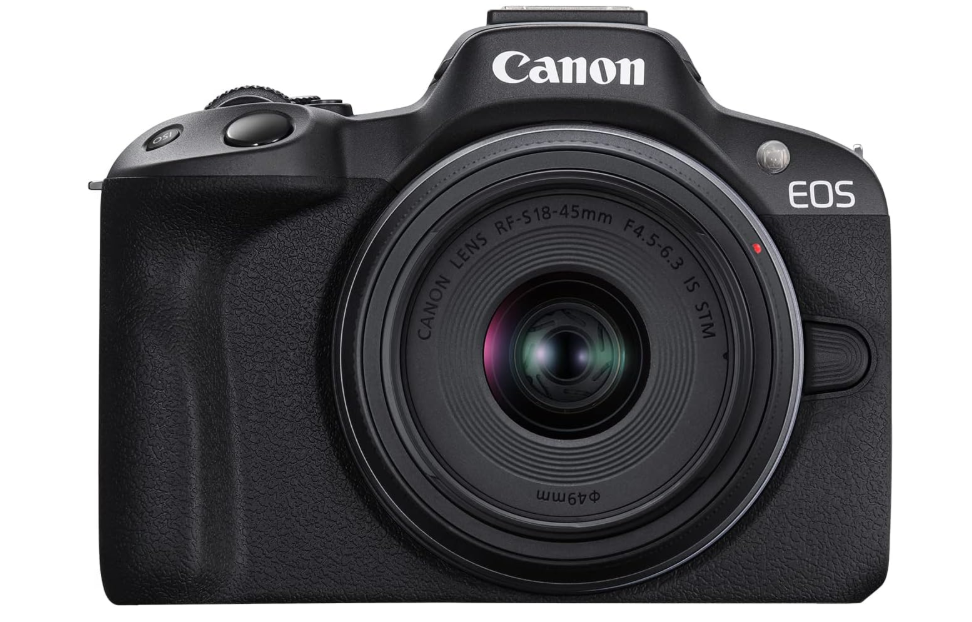
The Canon EOS R50 is one of the best beginner mirrorless cameras for wedding photography, offering an excellent combination of image quality, intelligent autofocus, and ease of use at an affordable price. Equipped with a 24.2MP APS-C CMOS sensor and the powerful DIGIC X image processor, it delivers sharp, vibrant images with impressive detail and accurate colors, making it ideal for capturing everything from intimate wedding portraits to large group photos.
Its advanced Dual Pixel CMOS AF II system covers nearly 100% of the frame with 651 autofocus zones, providing fast and reliable subject detection and tracking for people, animals, and even vehicles using deep learning technology. This ensures that brides, grooms, and guests remain in sharp focus, even during fast-moving moments like the first dance or bouquet toss.
The EOS R50 also excels in speed, offering continuous shooting up to 12 fps with the Electronic First Curtain shutter and up to 15 fps with the Electronic Shutter, allowing photographers to capture split-second wedding moments without missing a beat. In challenging lighting conditions, Canon’s Advanced A+ Assist mode enhances automatic scene recognition to produce brighter, well-balanced images during evening receptions, candlelit ceremonies, and backlit outdoor portraits.
For content creators and hybrid shooters, the camera records 6K oversampled uncropped 4K video at up to 30fps for exceptional detail, along with Full HD recording at up to 120fps for smooth slow-motion footage. Features like Movie for Close-up Demo Mode automatically shift focus to nearby subjects, making it equally suitable for product showcases and wedding vlogs.
Composing shots is effortless thanks to the 2.36-million-dot electronic viewfinder and the Clear View LCD II vari-angle touchscreen, which makes shooting from high, low, or creative angles easy. Built-in Wi-Fi and Bluetooth connectivity further simplify sharing images and videos, allowing photographers to transfer files wirelessly using the Canon Camera Connect app.
A fast face and eye-tracking engine ensures the bride and groom remain perfectly sharp even when walking down a dimly lit church aisle. If you want to use this tracking layout specifically to capture unposed, raw human reactions across the venue, check out our hands-on tests of the best camera for candid wedding photography.
Pros
- Excellent 24.2MP APS-C CMOS sensor produces sharp, detailed images.
- Powerful DIGIC X processor delivers fast performance and responsive operation.
- Dual Pixel CMOS AF II with 651 AF zones provides outstanding autofocus accuracy.
- Intelligent subject detection and tracking for people, animals, and vehicles.
- Continuous shooting up to 15 fps captures fast-paced wedding moments.
- Impressive low-light performance with Advanced A+ Assist mode.
- 6K oversampled uncropped 4K video delivers high-quality footage.
- Full HD recording at up to 120 fps enables smooth slow-motion videos.
- Fully articulating vari-angle touchscreen is perfect for creative compositions.
- Built-in Wi-Fi and Bluetooth allow quick wireless image transfer and remote control.
Cons
- Lacks in-body image stabilization (IBIS).
2) Sony a6400
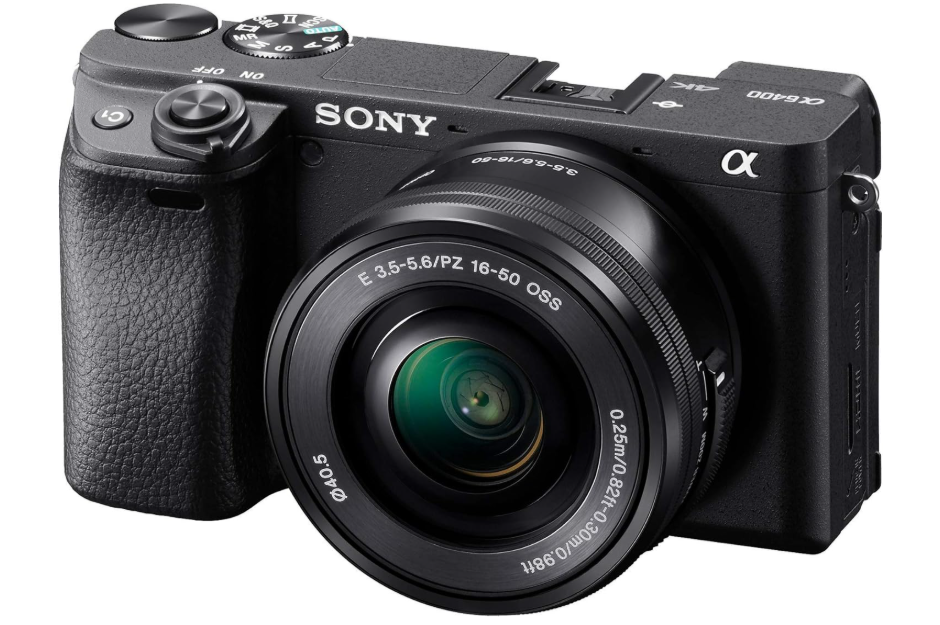
The Sony a6400 is an outstanding beginner-friendly mirrorless camera that combines speed, precision, and exceptional image quality, making it an excellent choice for wedding photography. Built around a 24.2MP APS-C sensor, the camera captures sharp, vibrant images with natural color reproduction and impressive dynamic range, allowing photographers to preserve every important wedding detail.
One of its biggest strengths is Sony’s advanced autofocus system, featuring 425 phase-detection and 425 contrast-detection autofocus points covering approximately 84% of the image area. This extensive coverage enables quick and accurate subject acquisition while providing reliable real-time tracking, ensuring the bride, groom, and guests remain perfectly focused throughout the ceremony and reception.
Designed for fast-paced events, the Sony a6400 supports continuous shooting at up to 11 frames per second while maintaining full autofocus and auto-exposure tracking. This makes it easy to capture fleeting moments such as the first kiss, bouquet toss, or emotional reactions without missing the perfect shot. Beyond still photography, the camera offers several creative video features, including time-lapse movie creation and slow-motion or quick-motion recording directly in-camera, eliminating the need for extensive post-processing.
Its 180-degree tiltable LCD screen provides flexible framing for vlogging, selfies, creative compositions, and video recording from various angles, making it an excellent option for hybrid photographers who also create wedding content. The camera comes complete with a rechargeable NP-FW50 battery, AC adapter, shoulder strap, body cap, accessory shoe cap, eyepiece cup, and micro USB cable, allowing beginners to start shooting immediately. Combined with its fast autofocus, compact design, and versatile performance, the Sony a6400 remains one of the best entry-level cameras for aspiring wedding photographers.
Pros
- High-resolution 24.2MP APS-C sensor delivers sharp, detailed images.
- 425 phase-detection and 425 contrast-detection AF points provide exceptional autofocus performance.
- Wide autofocus coverage tracks subjects accurately across most of the frame.
- Continuous shooting up to 11 fps is ideal for capturing fast wedding moments.
- Excellent real-time autofocus keeps moving subjects in focus.
- Time-lapse, slow-motion, and quick-motion video modes add creative flexibility.
- 180-degree tiltable LCD screen is perfect for vlogging and creative shooting angles.
- Compact, lightweight body is comfortable for long wedding shoots.
- Produces crisp images with natural color reproduction.
- Includes essential accessories to get started right away.
Cons
- No in-body image stabilization (IBIS), requiring stabilized lenses for smoother handheld shooting.
3) Nikon Z50
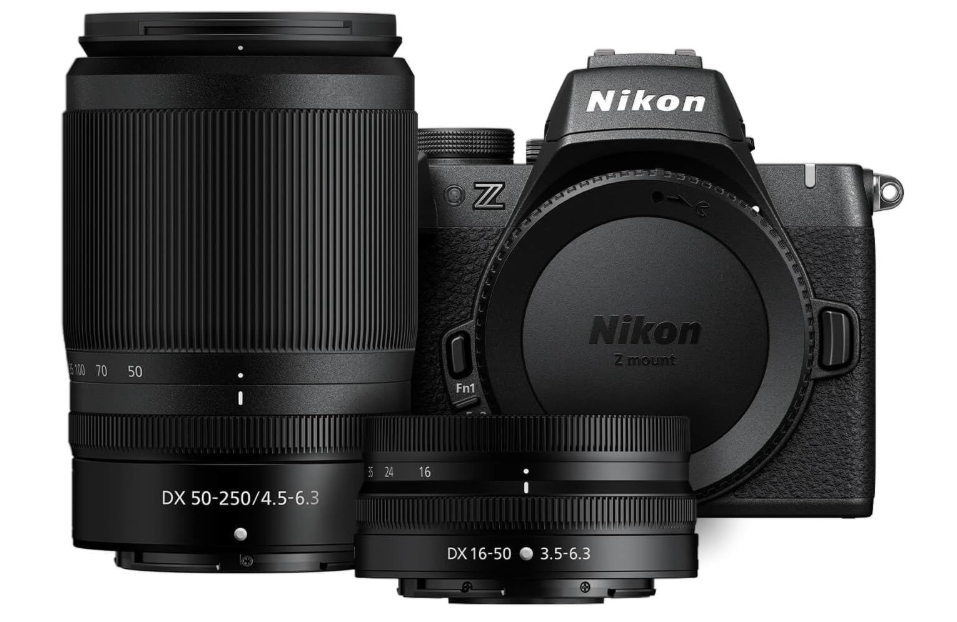
The Nikon Z50 is an excellent beginner mirrorless camera for wedding photography, offering an ideal balance of image quality, portability, and intelligent features. At its core is a 20.9MP DX-format (APS-C) sensor, which is significantly larger than the sensor found in most smartphones.
This allows the camera to capture lifelike colors, impressive detail, and excellent dynamic range, producing beautiful wedding photos from bright outdoor ceremonies to dimly lit receptions. Despite its powerful imaging capabilities, the Z50 remains lightweight and compact, making it comfortable to carry throughout an entire wedding day without causing fatigue.
Creativity is one of the Nikon Z50’s standout strengths. With a dedicated Picture Control button, photographers can instantly choose from 31 built-in Picture Control presets to achieve different looks for both photos and videos. Users can also create custom Picture Controls or download additional presets from Nikon Imaging Cloud, allowing beginners to experiment with unique styles while previewing the results in real time.
The camera’s advanced autofocus system automatically detects and tracks nine different subject types, including people, dogs, cats, birds, and vehicles, while dedicated Bird and Airplane modes provide even greater focusing precision. This intelligent autofocus ensures that important wedding moments; from the bride walking down the aisle to candid guest interactions; remain consistently sharp and well-focused.
The Nikon Z50 is equally capable when it comes to video recording. It captures stunning 4K UHD video at 60 fps, supports 120 fps Full HD slow-motion recording, and includes built-in electronic vibration reduction (VR) for smoother handheld footage. A dedicated Product Review Mode quickly shifts focus between the presenter and nearby objects, making the camera versatile for content creators as well as photographers.
For indoor ceremonies and evening receptions, the built-in flash and Night Portrait mode help produce naturally balanced images with flattering lighting. Sharing photos is quick and effortless using the Nikon SnapBridge app, which wirelessly transfers images and videos to compatible smart devices.
This kit includes both the NIKKOR Z DX 16-50mm f/3.5-6.3 VR lens for everyday photography and the NIKKOR Z DX 50-250mm f/4.5-6.3 VR telephoto lens, providing excellent versatility for capturing wide venue shots, portraits, and distant ceremony moments.
Pros
- High-quality 20.9MP APS-C sensor captures detailed, vibrant images.
- Compact and lightweight design is comfortable for all-day wedding photography.
- 31 built-in Picture Control presets offer extensive creative flexibility.
- Ability to create or download custom Picture Controls from Nikon Imaging Cloud.
- Intelligent autofocus detects and tracks nine different subject types.
- Dedicated Bird and Airplane autofocus modes improve subject tracking accuracy.
- Records detailed 4K UHD video at up to 60 fps.
- Full HD 120 fps recording enables smooth slow-motion footage.
- Built-in electronic VR helps stabilize handheld video.
- Built-in flash and Night Portrait mode improve indoor and low-light photography.
- Fast wireless photo and video sharing via the Nikon SnapBridge app.
- Includes versatile 16-50mm and 50-250mm VR lenses for a wide range of shooting situations.
Cons
- Lower 20.9MP resolution than some competing APS-C cameras.
4) Fujifilm X-S20
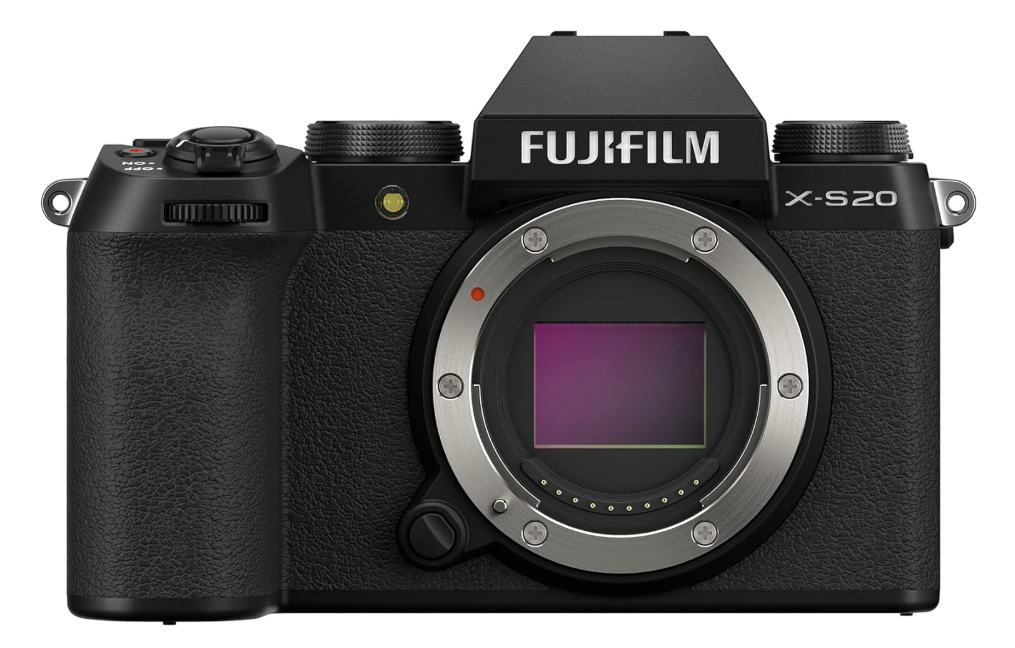
The Fujifilm X-S20 is one of the most capable beginner-to-intermediate mirrorless cameras for wedding photography, offering an exceptional combination of portability, image quality, stabilization, and advanced video features. Weighing only 491g (1.08 lb), it remains comfortable to carry during long wedding shoots, while the deep handgrip provides a secure and confident hold even when using larger lenses.
The camera produces stunning 26.1MP images straight out of the camera thanks to Fujifilm’s renowned color science, delivering rich skin tones and beautiful colors that are especially appealing for wedding portraits. With continuous shooting speeds of up to 20 fps using the electronic shutter, photographers can easily capture fast-moving moments such as the first dance, bouquet toss, or candid guest reactions.
At the heart of the X-S20 is the pairing of the X-Trans CMOS 4 sensor and the powerful X-Processor 5 imaging engine, which provides high-speed image and video processing along with significantly improved autofocus performance. The updated autofocus algorithm offers advanced subject detection capabilities similar to Fujifilm’s flagship models, automatically recognizing and tracking subjects for hassle-free shooting.
This makes it easy for beginners to keep brides, grooms, and guests sharply focused throughout the event. The camera also features a 180° vari-angle touchscreen, allowing effortless composition for selfie-style shots, creative angles, and video recording.
One of the X-S20’s biggest advantages for wedding photography is its impressive five-axis in-body image stabilization (IBIS), which provides up to seven stops of compensation. This dramatically reduces camera shake when shooting handheld in low light, helping photographers capture sharper images during evening receptions and indoor ceremonies.
The camera is equally strong for video creators, supporting 6.2K/30p internal recording in 4:2:2 10-bit color and 4K/60p recording via USB-C. Dedicated Vlog mode features make product demonstrations and content creation simple, while the 3.5mm microphone jack allows easy connection of external audio accessories.
Battery performance is another major highlight, with the NP-W235 battery delivering up to 750 shots in Normal mode and up to 800 shots in Economy mode, more than doubling the endurance of the previous X-S10.
Pros
Excellent 26.1MP image quality with Fujifilm’s acclaimed color science.
Lightweight 491g body is easy to carry all day.
Deep handgrip provides a secure and comfortable hold.
Fast continuous shooting up to 20 fps captures action effortlessly.
X-Processor 5 delivers fast performance and responsive operation.
Advanced subject detection autofocus improves tracking accuracy.
Five-axis IBIS with up to 7 stops of stabilization is excellent for handheld shooting.
180° vari-angle touchscreen is perfect for creative angles and video work.
Records high-quality 6.2K/30p 10-bit video.
4K/60p streaming and recording options for hybrid creators.
Dedicated Vlog mode simplifies content creation.
Outstanding battery life with up to 800 shots per charge.
Cons
Higher price than some entry-level APS-C competitors.
5) Canon EOS Rebel SL3
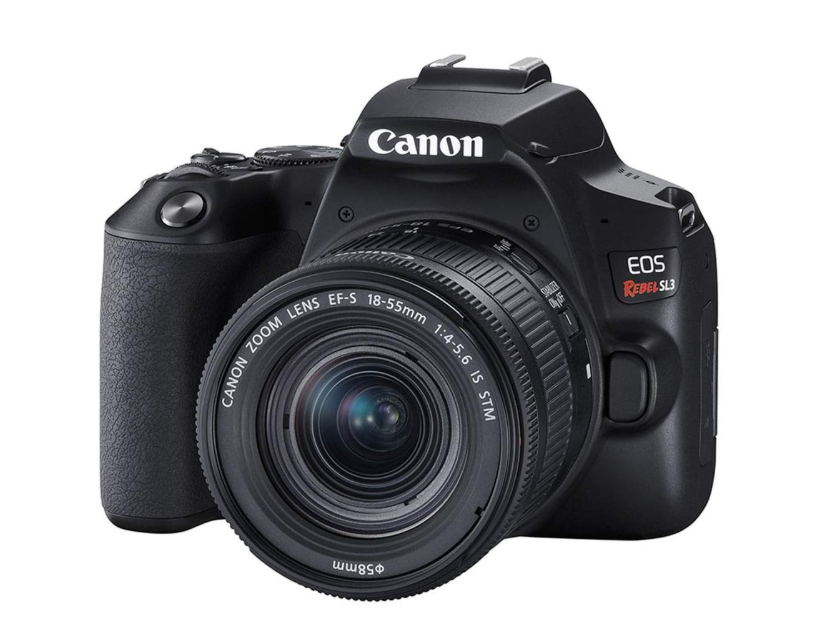
The Canon EOS Rebel SL3 is an excellent entry-level DSLR camera for beginners who want to explore wedding photography without investing in a more expensive mirrorless system. Despite its compact and lightweight design, the SL3 delivers impressive image quality and dependable performance, making it a reliable companion for capturing weddings, portraits, and special occasions.
Featuring a Canon EF/EF-S bayonet lens mount, the camera is compatible with a vast selection of Canon lenses, giving photographers the flexibility to choose the right optics for wide-angle venue shots, intimate portraits, or close-up detail photography. Its traditional optical viewfinder provides a clear, lag-free view of the scene, allowing photographers to compose shots naturally while conserving battery life during long wedding events.
Beyond photography, the Canon EOS Rebel SL3 also serves as a versatile content creation tool. With Canon’s webcam utility, the camera can be transformed into a high-quality webcam, making it ideal for live streaming, virtual meetings, online classes, and video conferencing with significantly better image quality than a standard webcam. Its simple controls and beginner-friendly interface make learning photography easy, while its compact DSLR design offers the familiar handling many photographers prefer.
Whether capturing memorable wedding moments or creating online content, the Canon EOS Rebel SL3 provides a practical combination of versatility, image quality, and ease of use for new photographers.
Pros
- Compact and lightweight DSLR that is easy to carry.
- Canon EF/EF-S bayonet mount supports a wide range of interchangeable lenses.
- Optical viewfinder provides a natural, lag-free shooting experience.
- Beginner-friendly controls and intuitive menu system.
- Can be used as a high-quality webcam with Canon’s webcam utility.
- Excellent battery life compared to many mirrorless cameras.
- Comfortable grip for extended shooting sessions.
- Great value for beginner photographers looking to build a Canon lens collection.
Cons
- Optical viewfinder lacks real-time exposure preview available on mirrorless cameras.
6) Sony ZV-E10 II
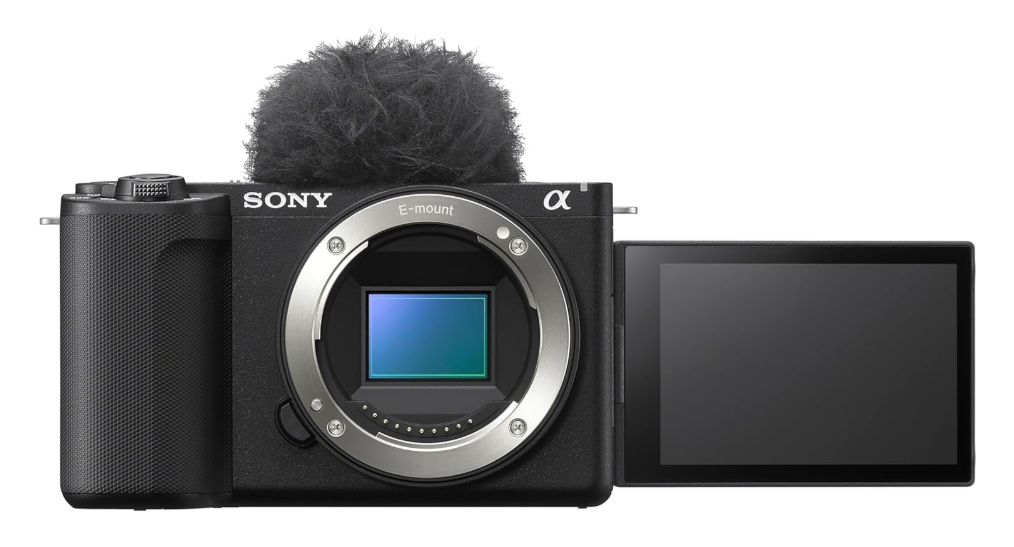
The Sony ZV-E10 II is a powerful and beginner-friendly mirrorless camera that excels in both wedding photography and video creation. Featuring Sony’s advanced 26MP APS-C back-illuminated Exmor R CMOS sensor, it captures stunning, high-resolution images with exceptional detail, vibrant colors, and impressive dynamic range.
The large APS-C sensor is significantly bigger than those found in smartphones and compact cameras, allowing for superior low-light performance and beautiful background blur that gives wedding portraits a professional look. Whether photographing a bright outdoor ceremony or a dimly lit reception, the ZV-E10 II consistently delivers sharp, detailed results.
One of the camera’s greatest strengths is its compatibility with Sony’s extensive lineup of E-mount interchangeable lenses, including premium G Master and G Lens options. The included E PZ 16-50mm F3.5-5.6 OSS II power zoom lens offers excellent versatility for capturing wide venue shots, candid moments, and portraits.
Beginners will appreciate the intuitive Creative Look function, which offers 10 customizable presets for creating unique color styles directly in-camera. The My Image Style feature makes it easy to adjust background blur, brightness, and color tone using simple touchscreen controls, allowing photographers to develop their creative style without complicated editing.
Autofocus performance is another standout feature of the Sony ZV-E10 II. Its Real-time Eye AF accurately detects and tracks the eyes of humans, animals, and birds, ensuring subjects remain perfectly focused even as they move. Real-time Tracking continuously follows the selected subject across the frame, making it especially useful for capturing fast-moving wedding moments such as the bride walking down the aisle or the couple’s first dance.
The camera is equally impressive for video, recording 4K video at up to 60 fps and Full HD at up to 120 fps for smooth slow-motion footage. The built-in S&Q mode enables up to 5x slow-motion playback, while time-lapse recording can be created directly in-camera with customizable exposure intervals. For still photography, continuous shooting at up to 11 fps with full autofocus and auto-exposure tracking ensures that no memorable moment goes uncaptured.
Pros
- High-resolution 26MP APS-C Exmor R CMOS sensor delivers excellent image quality.
- Large sensor provides superior low-light performance and natural background blur.
- Compatible with Sony’s extensive range of E-mount interchangeable lenses.
- Includes versatile 16-50mm OSS II power zoom lens.
- Creative Look presets offer customizable in-camera color styles.
- My Image Style makes adjusting brightness, color, and bokeh simple.
- Real-time Eye AF provides fast and accurate eye detection for people, animals, and birds.
- Real-time Tracking keeps moving subjects sharply focused.
- Records stunning 4K video at up to 60 fps.
- Full HD 120 fps recording enables smooth slow-motion videos.
- Built-in time-lapse and S&Q modes expand creative possibilities.
- Continuous shooting at 11 fps with full AF/AE tracking captures fast action.
Cons
- No in-body image stabilization (IBIS), relying on lens stabilization for handheld shooting.
7) Olympus OM-D E-M10 Mark IV
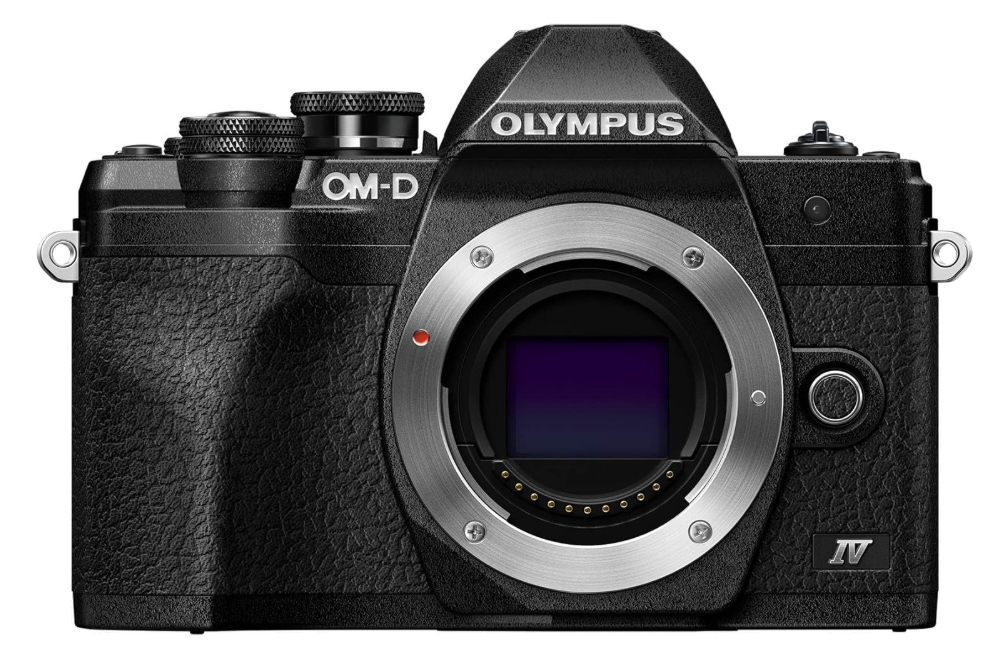
The Olympus OM-D E-M10 Mark IV is a compact and lightweight mirrorless camera that offers an excellent balance of portability, image quality, and creative features, making it an attractive choice for beginner wedding photographers. Equipped with a 20MP Live MOS sensor, the camera captures sharp, detailed images with vibrant colors and impressive clarity, allowing photographers to preserve every memorable wedding moment. Its small, travel-friendly body makes it comfortable to carry throughout long ceremonies and receptions, while the intuitive controls ensure that beginners can quickly become confident behind the camera.
One of the camera’s standout features is its 5-axis in-body image stabilization (IBIS), which provides up to 4.5 stops of shutter speed compensation. This advanced stabilization system helps reduce camera shake when shooting handheld, making it easier to capture sharp images in dimly lit churches, evening receptions, and other challenging lighting conditions without relying heavily on a tripod.
The Olympus OM-D E-M10 Mark IV also records stunning 4K DCI 2160p video, allowing users to create high-resolution wedding films with smooth, detailed footage. Whether photographing stills or recording memorable moments, the camera delivers dependable performance for both photography and videography.
Creativity is another strength of the OM-D E-M10 Mark IV. It features a flip-down LCD monitor with a dedicated Selfie Mode that automatically activates when the screen is flipped down, making it convenient for self-recording, vlogging, or capturing creative angles. The camera also includes 16 Art Filters with 31 creative variations, including the new Instant Film filter, which gives photos a nostalgic, film-inspired appearance without the need for editing software.
Built-in Bluetooth connectivity works seamlessly with the OI.Share smartphone app, enabling an always-on connection for quick image transfers and remote camera control. Additional features such as 2x digital zoom, sensor-shift image stabilization, and user-friendly operation make the OM-D E-M10 Mark IV a versatile companion for photographers looking to develop their skills.
Pros
- High-quality 20MP Live MOS sensor produces sharp, vibrant images.
- Compact and lightweight design is ideal for all-day wedding photography.
- 5-axis in-body image stabilization provides up to 4.5 stops of compensation.
- Excellent handheld performance in low-light environments.
- Records detailed 4K DCI 2160p video.
- Flip-down touchscreen with dedicated Selfie Mode is great for creative shooting and vlogging.
- 16 Art Filters with 31 creative effects enhance artistic expression.
- New Instant Film filter creates attractive vintage-style images.
- Built-in Bluetooth and OI.Share app enable quick wireless image sharing and remote control.
- Easy-to-use interface makes it suitable for beginners.
Cons
- Micro Four Thirds sensor offers less low-light performance than larger APS-C and full-frame sensors.
8) Canon EOS R10
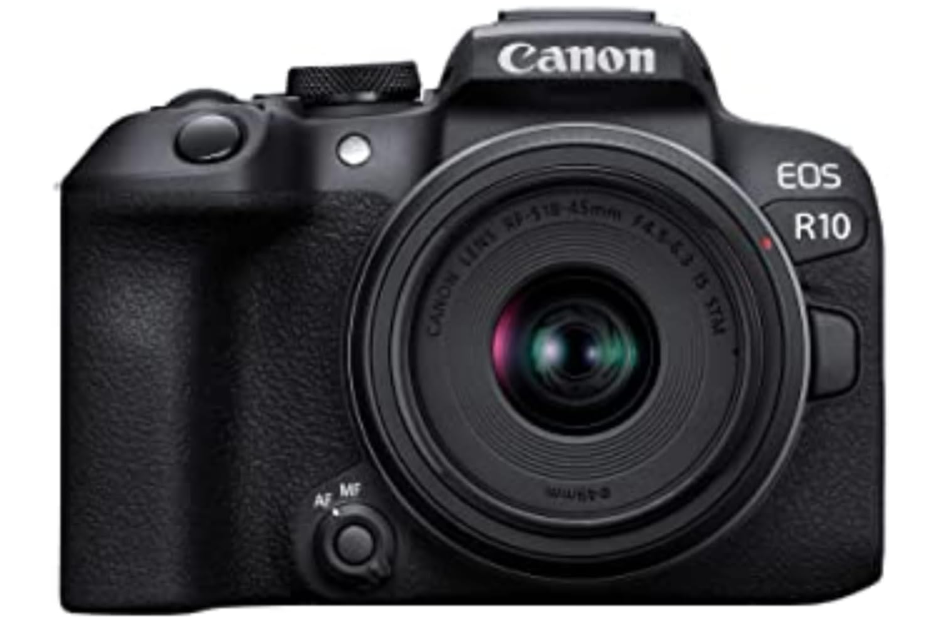
The Canon EOS R10 is a feature-packed APS-C mirrorless camera that offers exceptional speed, image quality, and autofocus performance, making it one of the best beginner cameras for wedding photography. Powered by Canon’s advanced DIGIC X image processor and a 24.2MP APS-C CMOS sensor, the EOS R10 captures crisp, vibrant images with excellent detail and natural color reproduction. Whether you’re photographing outdoor ceremonies in bright sunlight or indoor receptions with challenging lighting, the camera consistently produces high-quality results that are suitable for both personal memories and professional portfolios.
One of the EOS R10’s biggest strengths is its impressive shooting speed. It can capture up to 15 frames per second with the mechanical shutter, making it ideal for freezing fast-paced wedding moments such as the bride walking down the aisle, the first kiss, or the bouquet toss. Complementing this speed is Canon’s intelligent subject detection autofocus, which accurately recognizes and tracks subjects to maintain sharp focus throughout the event. This reliable autofocus system allows beginner photographers to concentrate on composition and storytelling without worrying about missed focus.
The Canon EOS R10 is designed with flexibility and convenience in mind. It is compatible with Canon RF-S and RF lenses, and it can also use Canon EF and EF-S lenses when paired with the optional Mount Adapter EF-EOS R, giving photographers access to an extensive range of lenses for portraits, landscapes, and close-up wedding details. The camera features a bright anti-smudge LCD screen that provides a clear view for composing shots and reviewing images, even after extended use.
Its compact and lightweight body, combined with a comfortable, ergonomic grip, makes it easy to carry during long wedding days without causing fatigue. Power comes from the Canon LP-E17 battery, which can be conveniently recharged inside the camera using the USB Power Adapter PD-E, making it easy to stay ready for extended shooting sessions. The kit includes the RF-S 18-45mm F4.5-6.3 IS STM lens, battery charger, battery pack, strap, lens caps, and other essential accessories, allowing photographers to start shooting right out of the box.
Pros
- Excellent 24.2MP APS-C CMOS sensor captures sharp, detailed images.
- Powerful DIGIC X image processor delivers fast performance and excellent image quality.
- Continuous shooting up to 15 fps with the mechanical shutter captures fast action.
- Advanced subject detection autofocus provides reliable tracking and sharp focus.
- Compatible with RF-S, RF, EF, and EF-S lenses (with optional adapter).
- Compact and lightweight body is comfortable for all-day wedding photography.
- Ergonomic grip improves handling during extended shoots.
- Anti-smudge LCD screen offers clear image viewing and composition.
- USB in-camera charging provides added convenience.
- Includes the versatile RF-S 18-45mm IS STM kit lens for everyday shooting.
Cons
- No in-body image stabilization (IBIS), relying on stabilized lenses for handheld shooting.
9) Nikon Z fc
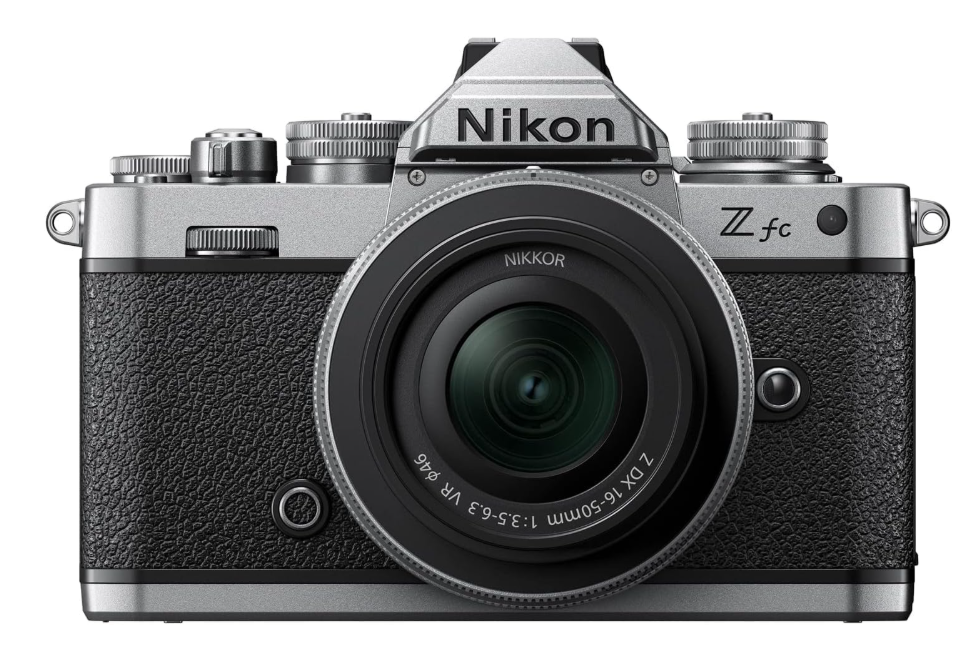
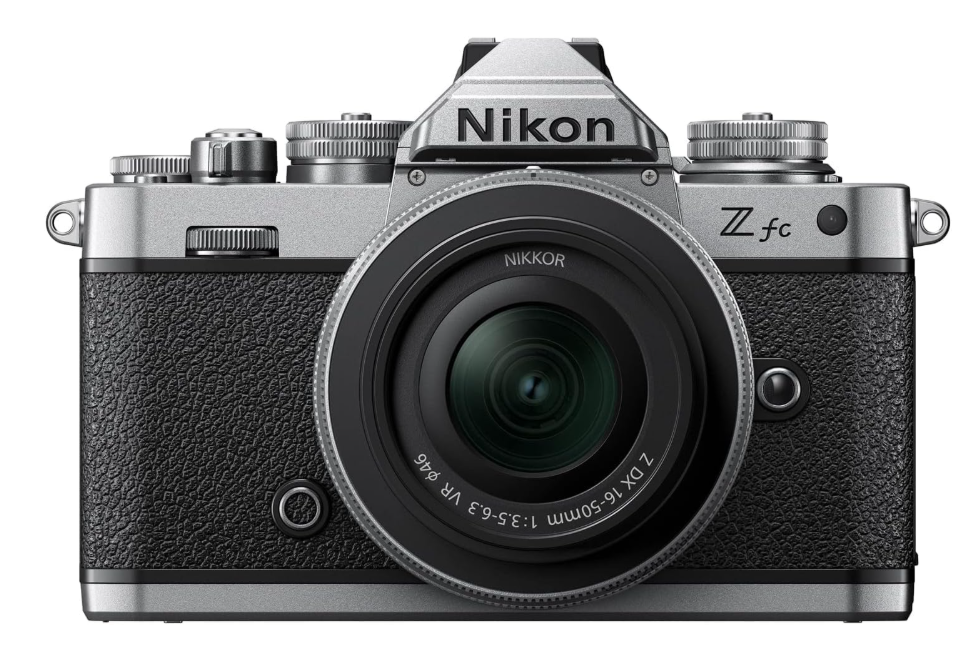
The Nikon Z fc is a stylish mirrorless camera that combines vintage-inspired design with modern imaging technology, making it an excellent choice for beginner wedding photographers who value both performance and aesthetics. At its core is a 20.9MP DX-format CMOS sensor powered by the EXPEED 6 image processing engine, delivering sharp, detailed images with vibrant colors and impressive dynamic range. Whether you’re photographing a sunlit outdoor ceremony or an intimate indoor reception, the Z fc produces high-quality photos with accurate skin tones and excellent overall image clarity.
Beyond its image quality, the Nikon Z fc is built with content creators and hybrid shooters in mind. It records 4K UHD video and features a flip-out vari-angle LCD, making it easy to capture creative angles, self-record wedding content, or vlog behind the scenes. Full-time autofocus with Eye Detection AF helps maintain sharp focus on the bride, groom, and guests during both still photography and video recording.
The camera also includes a built-in stereo microphone and an external microphone jack, allowing users to capture higher-quality audio for wedding videos, interviews, or live streams. It is also compatible with live streaming and web conferencing, adding versatility beyond photography.
One of the Nikon Z fc’s defining features is its heritage-inspired design, featuring classic analog-style dials for shutter speed, ISO, and exposure compensation. These tactile controls provide a traditional shooting experience while still offering the convenience of modern mirrorless technology.
Beginners will also appreciate the intuitive interface, with easy access to Auto Mode, quick settings, and an on-screen menu help guide that simplifies learning the camera. Sharing photos is effortless through the Nikon SnapBridge app, which maintains a constant Bluetooth connection with compatible smart devices for quick wireless image transfers.
The Z fc supports the growing range of NIKKOR Z lenses and is also compatible with F-mount NIKKOR lenses when used with the optional FTZ Mount Adapter, giving photographers access to a wide selection of lenses as their skills develop.
Pros
- Excellent 20.9MP DX CMOS sensor produces sharp, detailed images.
- Powerful EXPEED 6 processor delivers fast performance and vibrant image quality.
- Classic retro-inspired design with dedicated analog control dials.
- Records high-quality 4K UHD video.
- Fully articulating vari-angle LCD is ideal for creative shooting and vlogging.
- Eye Detection AF provides accurate focus for portraits and wedding photography.
- Built-in stereo microphone and external microphone input improve video recording.
- Compatible with live streaming and web conferencing.
- Easy wireless image sharing through the Nikon SnapBridge app.
- Compatible with both NIKKOR Z lenses and F-mount lenses (via optional FTZ adapter).
- Beginner-friendly interface with Auto Mode and built-in menu guidance.
Cons
- No in-body image stabilization (IBIS), relying on stabilized lenses for handheld shooting.
Factors to Consider When Choosing the Best Beginner Camera for Wedding Photography
1. Image Quality
Image quality should be your top priority when choosing a beginner camera for wedding photography. Weddings are once-in-a-lifetime events, so every image should be sharp, detailed, and true to life. Look for cameras with at least a 20MP APS-C or larger sensor, as they produce higher-resolution photos with better color accuracy and dynamic range. Cameras like the Canon EOS R50, Canon EOS R10, Fujifilm X-S20, and Sony ZV-E10 II all feature high-resolution APS-C sensors capable of producing professional-looking wedding images.
2. Low-Light Performance
Many wedding ceremonies and receptions take place in dimly lit churches, banquet halls, or during evening celebrations. A camera with strong low-light performance allows you to capture clean, detailed images with minimal noise without relying heavily on flash. Larger sensors, powerful image processors, and lenses with wide apertures help produce brighter images in challenging lighting conditions. This is especially important for indoor ceremonies, candlelit receptions, and sunset portraits.
3. Autofocus Performance
Reliable autofocus is essential because wedding moments happen quickly and cannot be repeated. Choose a camera with advanced autofocus features such as face detection, eye detection, and subject tracking. These technologies automatically keep the bride, groom, and guests in sharp focus even as they move around the venue. Cameras like the Sony a6400, Canon EOS R10, Canon EOS R50, Nikon Z fc, and Fujifilm X-S20 feature intelligent autofocus systems that make it easier for beginners to achieve consistently sharp photos.
4. Continuous Shooting Speed
Wedding photography often involves capturing split-second moments such as the first kiss, bouquet toss, confetti exit, or the couple’s first dance. A camera capable of shooting at least 10 frames per second (fps) increases your chances of capturing the perfect expression or movement. Faster burst shooting ensures you never miss an important moment, especially during fast-paced parts of the ceremony or reception.
5. Video Recording Capabilities
Many beginner photographers also want to record wedding videos or create social media content. Choosing a camera that records high-quality 4K video provides greater flexibility and future-proofs your investment. Features such as slow-motion recording, subject tracking during video, microphone inputs, and advanced video stabilization are valuable if you plan to offer both photography and videography services.
6. Image Stabilization
Camera shake can easily ruin photos and videos, particularly in low-light environments where slower shutter speeds are required. Cameras equipped with In-Body Image Stabilization (IBIS) provide a significant advantage by reducing blur when shooting handheld. Models such as the Fujifilm X-S20 and Olympus OM-D E-M10 Mark IV offer effective stabilization systems that help beginners capture sharper images and smoother videos without using a tripod.
7. Lens Compatibility
A camera body is only part of the investment. As your photography skills improve, you’ll likely want to upgrade your lenses. Choosing a camera with a large lens ecosystem allows you to expand your creative options without replacing your camera body. Systems like Canon RF, Sony E-mount, Nikon Z, Fujifilm X, and Micro Four Thirds offer lenses suitable for portraits, wide-angle venue shots, telephoto ceremony coverage, and low-light photography.
8. Ease of Use
A beginner camera should be simple to operate while still offering room to grow. Features such as intuitive menus, automatic shooting modes, touchscreen controls, guided settings, and customizable buttons make learning photography much easier. Cameras like the Canon EOS R50 and Nikon Z50 are designed with beginners in mind, allowing users to build confidence before transitioning to manual settings.
9. Size and Weight
Wedding photographers spend many hours carrying their cameras throughout the day. A lightweight and ergonomic camera reduces fatigue and allows you to shoot comfortably for extended periods. Mirrorless cameras such as the Fujifilm X-S20, Olympus OM-D E-M10 Mark IV, Canon EOS R50, and Sony ZV-E10 II offer excellent portability without sacrificing image quality.
10. Battery Life
Wedding photography often involves shooting thousands of images over an entire day. A camera with long battery life reduces interruptions and minimizes the need for frequent battery changes. Some cameras, such as the Fujifilm X-S20, offer outstanding battery performance, while others may require carrying one or two spare batteries to ensure uninterrupted shooting.
11. Connectivity Features
Modern cameras equipped with Wi-Fi and Bluetooth allow photographers to quickly transfer images to smartphones, tablets, or computers for instant sharing and backup. Companion apps such as Canon Camera Connect, Nikon SnapBridge, Sony Imaging Edge, and Olympus OI.Share make wireless image transfer simple, enabling photographers to deliver previews to clients or post highlights on social media soon after the event.
12. Viewfinder and LCD Screen
A high-quality electronic or optical viewfinder and a fully articulating LCD screen improve both shooting comfort and composition. Vari-angle touchscreens are especially useful for photographing from high or low angles, crowded venues, and creative perspectives. They also benefit photographers who create behind-the-scenes content or record wedding videos.
13. Budget and Overall Value
As a beginner, it’s important to balance features with affordability. The best camera isn’t necessarily the most expensive one—it should provide the features you need while leaving room in your budget for essential accessories such as extra batteries, memory cards, external flashes, and quality lenses. Investing in a well-rounded camera system offers better long-term value than spending your entire budget on the camera body alone.
14. Upgrade Potential
Wedding photography is a skill that develops over time, so it’s wise to choose a camera system that can grow with you. Consider whether the manufacturer offers higher-end camera bodies and professional lenses within the same mount. This allows you to upgrade your equipment gradually while continuing to use your existing lenses and accessories, saving money as your experience and business expand.
FAQs
1. What is the best beginner camera for wedding photography?
The Canon EOS R50 is widely regarded as one of the best beginner cameras for wedding photography thanks to its 24.2MP APS-C sensor, powerful DIGIC X processor, Dual Pixel CMOS AF II, and user-friendly controls. Other excellent options include the Sony a6400, Canon EOS R10, Fujifilm X-S20, and Nikon Z50, all of which offer excellent image quality, fast autofocus, and reliable performance for capturing weddings.
2. Is a mirrorless camera better than a DSLR for beginner wedding photographers?
Yes, for most beginners, a mirrorless camera is the better choice. Mirrorless cameras typically offer faster autofocus, eye and face detection, real-time subject tracking, better video capabilities, and a more compact design than traditional DSLRs. While DSLR models like the Canon EOS Rebel SL3 remain excellent entry-level options with great battery life and optical viewfinders, mirrorless cameras provide more advanced features that make photographing fast-moving wedding moments easier.
3. What features should I look for in a beginner wedding photography camera?
When choosing a beginner wedding camera, prioritize a camera with a high-quality APS-C or full-frame sensor, reliable autofocus with eye detection, good low-light performance, fast continuous shooting, and 4K video recording. Other important features include image stabilization, a vari-angle touchscreen, long battery life, wireless Wi-Fi and Bluetooth connectivity, and access to a wide selection of interchangeable lenses. These features will help you capture sharp, professional-looking photos and videos while giving you room to grow as your photography skills improve.
Final Thoughts
Choosing the best beginner camera for wedding photography ultimately comes down to your budget, shooting style, and long-term photography goals. Whether you prefer the beginner-friendly Canon EOS R50, the lightning-fast autofocus of the Sony a6400, the powerful hybrid capabilities of the Fujifilm X-S20, or the versatility of the Canon EOS R10, each camera on this list offers the essential features needed to capture stunning wedding photos and videos.Focus on factors such as image quality, autofocus performance, low-light capability, lens compatibility, and ease of use to ensure you select a camera that can grow with your skills.
With the right camera in hand and plenty of practice, you’ll be well-equipped to preserve every unforgettable wedding moment and begin your journey toward becoming a confident and successful wedding photographer. Before processing your investment, ensure you budget enough capital for fast prime lenses alongside your starter body. To see what high-end setups industry professionals rely on for maximum redundancy and speed, explore our guide on the best professional camera for wedding photography.