
Table of Contents
ToggleThe best cameras for street photography in 2026 combine exceptional image quality, lightning-fast autofocus, compact designs, and discreet operation to help you capture life’s most authentic moments. Whether you’re documenting bustling city streets, candid portraits, or everyday urban life, the right camera can make all the difference.
In this guide, we’ve rounded up the 10 best street photography cameras for 2026, comparing their key features, strengths, and drawbacks to help you find the perfect model for your shooting style and budget. While tracking advanced modern autofocus grids keeps your compositions perfectly sharp, if you want to explore specialized lens pairings optimized for deep architectural cityscapes, read our targeted guide on the best cameras for urban photography.
Best Cameras for Street Photography 2026
1) Fujifilm X100VI
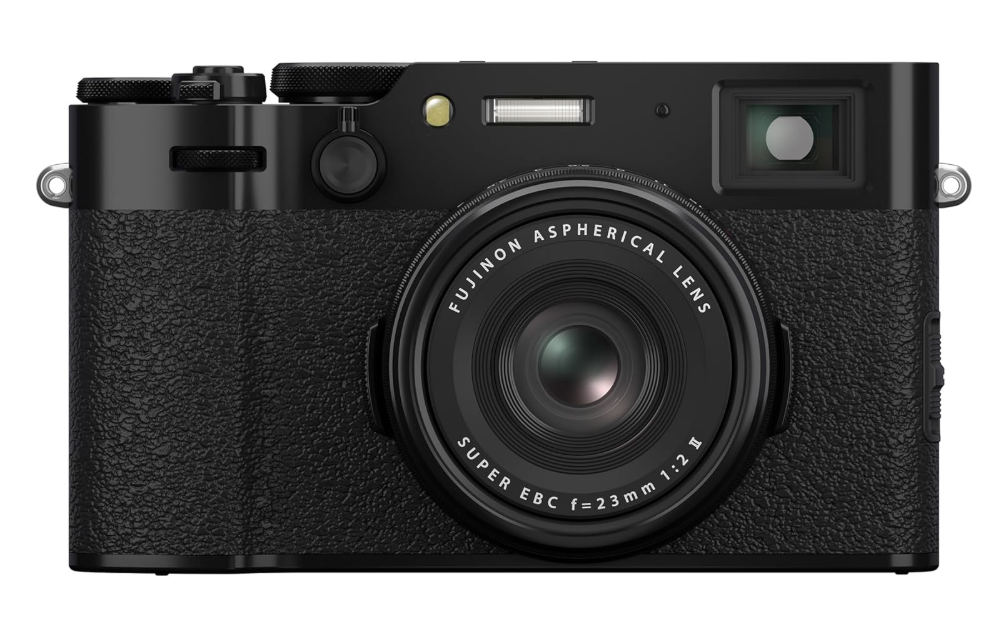
The Fujifilm X100VI is one of the best cameras for street photography, combining premium image quality, classic styling, and advanced features in a compact body. Built around a 40.2MP X-Trans CMOS 5 HR sensor, it delivers exceptional detail, vibrant colors, and excellent dynamic range, making it ideal for capturing everything from bustling city streets to candid portraits.
Despite its compact size, the camera includes up to 6.0 stops of in-body image stabilization (IBIS), allowing photographers to shoot handheld at slower shutter speeds with greater confidence, especially in low-light conditions.
One of the X100VI’s standout features is its 4-stop internal neutral density (ND) filter, which enables wider apertures in bright daylight and smoother long-exposure photography without requiring external filters.
The camera also includes 1.4x and 2x digital teleconverter modes, providing additional framing flexibility while maintaining impressive image quality. Whether you’re capturing distant architectural details or isolating subjects on busy streets, these teleconverter options make the fixed 23mm f/2 lens even more versatile.
Fujifilm’s renowned 20 Film Simulation modes, including the latest REALA ACE, allow photographers to achieve beautiful, film-inspired colors directly in-camera. From rich monochrome images to vibrant landscapes and natural skin tones, these simulations reduce editing time while giving every image a distinctive character.
Combined with its intuitive controls, silent shutter, and compact design, the Fujifilm X100VI is an outstanding choice for street photographers, travel enthusiasts, and everyday creators who demand professional-level performance in a portable package. Sleek everyday-carry designs allow you to walk across town for hours without noticing your gear. If you are just starting out and want a highly capable street body that keeps costs well within a strict starter price limit, compare these models against our top organic ranking list of the best street photography camera under 500.
Pros
- Outstanding 40.2MP image quality with excellent detail
- Up to 6.0 stops of in-body image stabilization for sharper handheld shots
- Built-in 4-stop ND filter for greater creative control in bright conditions
- 1.4x and 2x digital teleconverter modes increase framing versatility
- 20 Film Simulation modes, including the new REALA ACE profile
- Compact, lightweight, and discreet for street and travel photography
- Excellent color reproduction with minimal post-processing required
Cons
- Fixed lens may not suit photographers who prefer interchangeable lenses
2) Ricoh GR IIIx
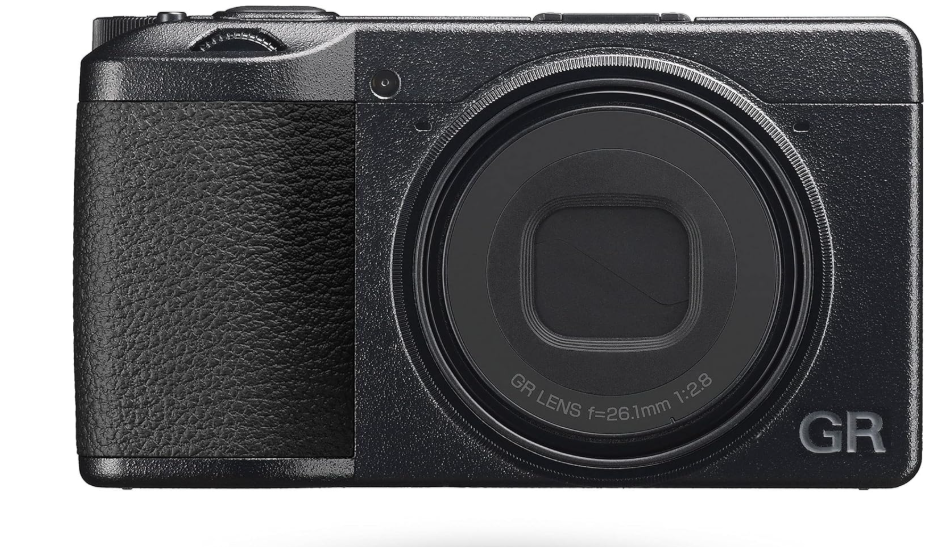
The Ricoh GR IIIx is a premium compact camera designed for photographers who value portability, speed, and exceptional image quality. Featuring a 40mm equivalent focal length, it offers a natural field of view that closely matches human vision, making it an excellent choice for street photography, everyday moments, and environmental portraits. This versatile perspective allows photographers to create authentic, immersive images while remaining discreet in any setting.
Staying true to the GR series philosophy of high image quality, quick response, portability, and continuous evolution, the GR IIIx delivers professional performance in a pocket-sized body. At its core is a 24.2MP APS-C sensor, paired with the renowned GR lens and the powerful GR Engine 6, producing remarkably sharp images with rich colors, excellent dynamic range, and impressive low-light performance. Whether capturing spontaneous street scenes or travel adventures, the camera consistently delivers crisp, detailed results.
The Ricoh GR IIIx is built for photographers who never want to miss a moment. It powers on in approximately 0.8 seconds, allowing you to react instantly to fleeting opportunities. Its high-speed hybrid autofocus system combines speed and accuracy for reliable subject acquisition, ensuring sharp focus even in fast-changing environments.
Despite its advanced capabilities, the camera maintains the GR series’ signature portability with thoughtfully refined controls that enhance usability without compromising its compact design. Small enough to fit comfortably in a pocket yet powerful enough for professional-quality photography, the Ricoh GR IIIx is an outstanding everyday carry camera for street photographers and travelers alike.
Pros
- Versatile 40mm equivalent focal length with a natural perspective
- Excellent 24.2MP APS-C sensor delivers sharp, detailed images
- Premium GR lens produces outstanding image quality
- Fast startup time of approximately 0.8 seconds
- High-speed hybrid autofocus offers quick and accurate focusing
- Compact, lightweight, and highly portable for everyday carry
- Improved controls enhance handling while maintaining portability
Cons
- Fixed lens limits framing flexibility compared to interchangeable-lens cameras
3) Leica Q3
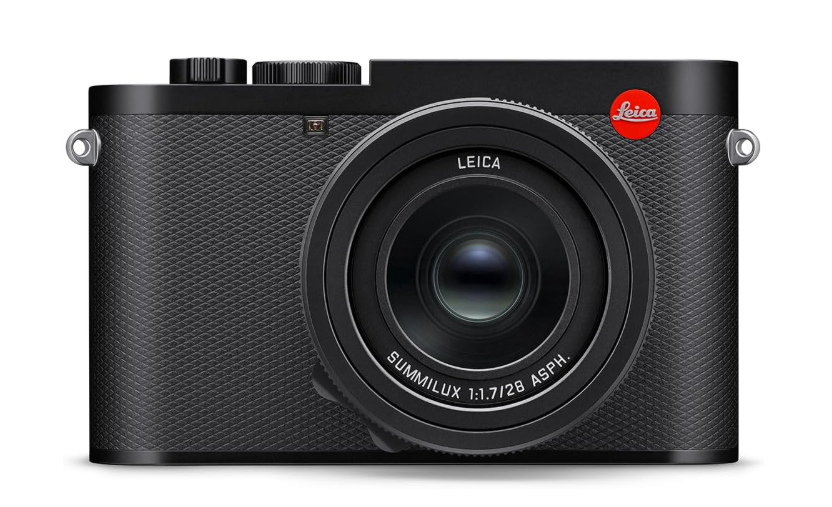
The Leica Q3 is a premium full-frame compact camera that sets a new standard for image quality, craftsmanship, and photographic performance. Renowned for its innovative technology and iconic Leica design, it is an outstanding choice for street photographers, travel enthusiasts, and professionals seeking exceptional results in a compact package.
Combining a high-resolution sensor with advanced processing and intelligent autofocus, the Leica Q3 delivers an uncompromising shooting experience.
At the heart of the camera is Leica’s groundbreaking 60MP back-side illuminated (BSI) CMOS Triple Resolution sensor, which allows photographers to capture stunning detail, vibrant colors, and impressive dynamic range. Thanks to Triple Resolution Technology, users can also choose lower-resolution outputs while maintaining excellent image quality and maximizing storage efficiency. This flexibility makes the Leica Q3 suitable for everything from large-format prints to everyday photography without sacrificing performance.
The Leica Q3 also offers impressive versatility through its digital zoom options up to 90mm, allowing photographers to frame subjects more creatively while retaining excellent image quality. Powering the camera is the advanced Maestro IV processor, supported by 8GB of internal memory, delivering fast startup times, responsive operation, high-speed continuous shooting, and smooth image processing.
Completing the package is a sophisticated hybrid autofocus system that combines contrast-detection and phase-detection technologies with subject tracking, ensuring fast, accurate focus even when photographing moving subjects or shooting in challenging lighting conditions.
Pros
- Exceptional 60MP full-frame BSI CMOS Triple Resolution sensor
- Outstanding image quality with excellent color accuracy and dynamic range
- Digital zoom options up to 90mm provide greater framing flexibility
- Powerful Maestro IV processor ensures fast and responsive performance
- 8GB of internal memory supports smooth image processing
- Hybrid autofocus system delivers quick, accurate subject tracking
- Premium build quality with Leica’s iconic design and craftsmanship
- Excellent choice for street, travel, documentary, and everyday photography
Cons
- Premium price places it beyond many photographers’ budgets
4) Sony A7C II
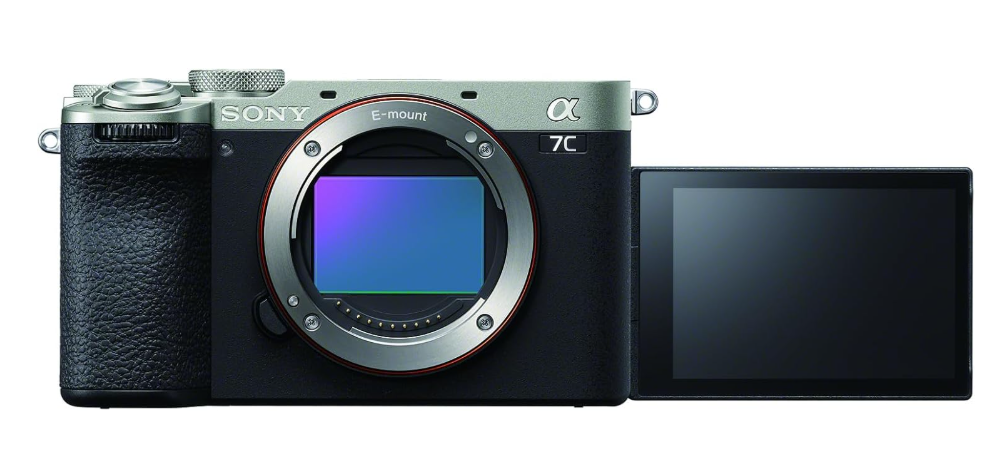
The Sony A7C II is a compact full-frame mirrorless camera that delivers professional-level performance in one of the smallest and lightest bodies in its class. Designed for photographers and content creators who need portability without compromising image quality, it excels in street photography, travel, portraits, and hybrid photo-video shooting. Its lightweight design makes it comfortable to carry all day, while its advanced technology ensures outstanding results in a wide range of shooting conditions.
At the core of the Sony A7C II is a 33.0MP full-frame Exmor R CMOS sensor, which captures highly detailed images with excellent dynamic range, rich colors, and impressive low-light performance. Paired with Sony’s powerful BIONZ XR image processor, the camera delivers fast performance, reduced image noise, and responsive operation, ensuring every shot is processed with remarkable clarity and precision. Whether you’re photographing fast-moving subjects or detailed cityscapes, the A7C II consistently produces professional-quality images.
The camera also features a dedicated AI processing unit that significantly enhances subject recognition and tracking. It intelligently detects and follows people, animals, birds, and vehicles with impressive accuracy, helping photographers maintain sharp focus even in dynamic environments.
For videographers, the Sony A7C II is equally capable, offering 4K 4:2:2 10-bit video recording at up to 60p/50p, delivering cinematic footage with excellent color depth and flexibility for post-production. Combining advanced autofocus, exceptional image quality, and a travel-friendly design, the Sony A7C II is an outstanding all-around camera for creators who demand versatility and performance.
Pros
- Compact and lightweight full-frame design ideal for travel and street photography
- High-resolution 33.0MP full-frame Exmor R CMOS sensor
- Powerful BIONZ XR processor delivers fast performance and excellent image quality
- Dedicated AI processor provides advanced subject recognition and tracking
- Outstanding autofocus performance for both photos and video
- Records high-quality 4K 4:2:2 10-bit video at up to 60p/50p
- Excellent low-light performance and dynamic range
- Ideal for both photography and professional content creation
Cons
- Premium price compared to many APS-C mirrorless cameras
5) Fujifilm X-T5
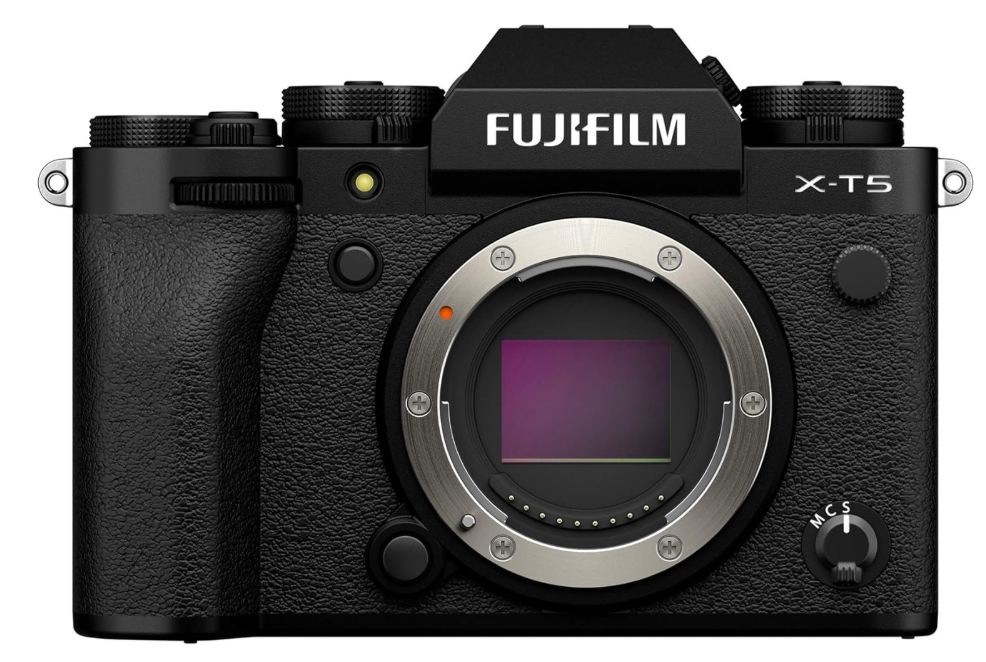
The Fujifilm X-T5 is a high-performance APS-C mirrorless camera that combines exceptional image quality with a compact, lightweight design, making it an excellent choice for street photographers, landscape shooters, wildlife enthusiasts, and content creators.
Built around Fujifilm’s iconic X Series styling, the camera features traditional control dials for ISO, shutter speed, and exposure compensation, allowing photographers to make quick adjustments even when the camera is powered off. Its portable design ensures it is comfortable to carry for extended shooting sessions without sacrificing professional-level performance.
At the heart of the X-T5 is a 40.2MP X-Trans CMOS 5 HR sensor, paired with an advanced image processing algorithm that delivers outstanding detail, vibrant colors, and excellent dynamic range throughout the native ISO range, which now extends down to ISO 125.
The camera also features a 1.84-million-dot three-way tilting LCD and an advanced 5-axis in-body image stabilization (IBIS) system that provides up to seven stops of compensation, allowing photographers to capture sharp handheld images even in challenging low-light conditions.
Complementing the stabilization system is an AI-powered subject detection autofocus that intelligently tracks people, animals, birds, cars, motorcycles, aircraft, and trains with impressive accuracy. The 3.69-million-dot electronic viewfinder offers a bright, highly detailed display with 0.8x magnification and a 100fps refresh rate, providing an almost blackout-free shooting experience.
Designed for speed, the X-T5 features an ultra-fast 1/180,000-second electronic shutter and 1/8000-second mechanical shutter, enabling photographers to freeze even the fastest action. Continuous shooting reaches 15fps with the mechanical shutter or 20fps electronically, while the responsive 35ms shutter lag ensures decisive moments are never missed. The NP-W235 battery provides up to 680 shots per charge, and the durable mechanical shutter is rated for 500,000 actuations, making it ideal for long-term professional use.
For photographers demanding maximum resolution, the X-T5 includes Pixel Shift Multi-Shot mode, which combines 20 images captured using the IBIS system into an ultra-detailed 160MP file using Pixel Shift Combiner software. This feature is ideal for commercial photography, product imaging, architecture, and digital archiving where extreme detail is essential.
Beyond still photography, the X-T5 is also a powerful filmmaking tool, offering internal 6.2K/30p recording in 4:2:2 10-bit color, oversampled 4K HQ video, and support for F-Log, F-Log2, as well as 12-bit Apple ProRes RAW and Blackmagic RAW output via HDMI. These advanced video capabilities make the X-T5 an outstanding hybrid camera for creators who require professional-quality photography and cinematic video in one compact package.
Pros
- Outstanding 40.2MP X-Trans CMOS 5 HR sensor delivers exceptional detail
- Compact and lightweight body with classic Fujifilm controls
- Up to 7 stops of 5-axis in-body image stabilization
- AI-powered subject detection autofocus for accurate tracking
- Extremely fast shooting with up to 20fps continuous burst
- Ultra-fast 1/180,000-second electronic shutter
- Bright 3.69-million-dot EVF with 100fps refresh rate
- Pixel Shift Multi-Shot creates ultra-high-resolution 160MP images
- Excellent battery life with up to 680 shots per charge
- Professional 6.2K 10-bit video recording with advanced RAW output options
Cons
- APS-C sensor offers slightly less low-light performance than full-frame alternatives
6) Canon EOS R8
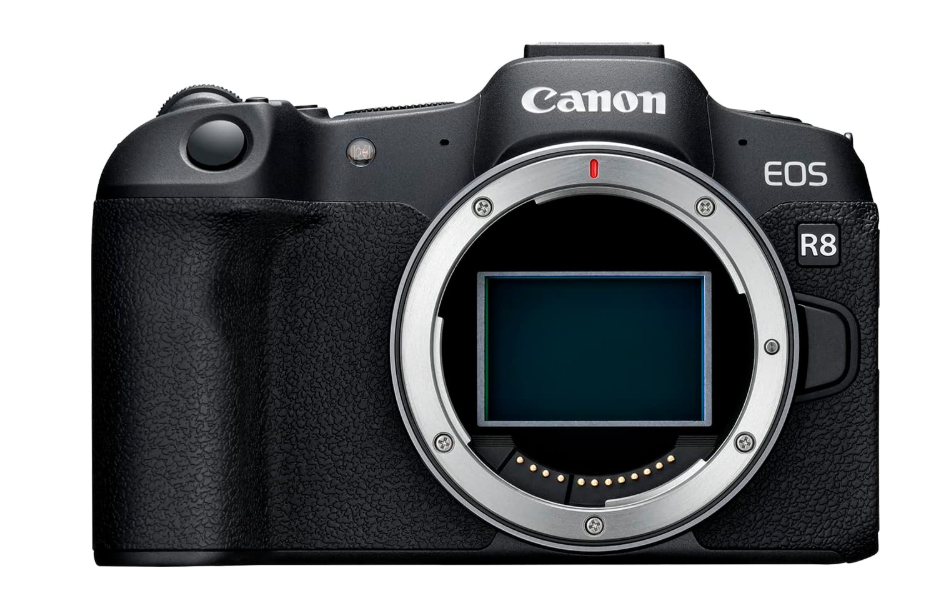
The Canon EOS R8 is a compact, lightweight full-frame mirrorless camera that delivers professional image quality and advanced performance at an accessible price. As Canon’s lightest full-frame RF-mount camera, it is an excellent option for photographers and content creators looking to step up from APS-C without the bulk of larger full-frame bodies.
Whether you’re shooting street photography, portraits, travel, wildlife, or video, the EOS R8 offers an impressive combination of portability, speed, and imaging performance.
At its core is a 24.2MP full-frame CMOS sensor powered by Canon’s advanced DIGIC X Image Processor, producing sharp, detailed images with excellent color reproduction, wide dynamic range, and impressive low-light performance. The camera delivers cleaner images at high ISO settings while maintaining excellent resolution at lower ISOs, making it highly versatile in challenging lighting conditions.
It also significantly reduces rolling shutter distortion compared to previous Canon models, allowing photographers to capture fast-moving subjects and quick panning shots with greater accuracy.
The EOS R8 features Canon’s highly acclaimed Dual Pixel CMOS AF II system, covering virtually 100% of the frame with 1,053 autofocus zones for fast, precise focusing. Powered by deep-learning technology, the autofocus system automatically detects and tracks people, animals, vehicles, aircraft, trains, and horses, ensuring reliable subject tracking across a wide variety of shooting scenarios.
Composing shots is equally enjoyable thanks to the 0.39-inch 2.36-million-dot OLED electronic viewfinder with refresh rates up to 120fps, complemented by a 3.0-inch 1.62-million-dot vari-angle touchscreen LCD that makes shooting from creative angles simple and intuitive.
For videographers, the Canon EOS R8 is a capable hybrid camera offering uncropped 4K video recording at up to 60fps, oversampled from 6K for outstanding detail and clarity. It also supports Full HD recording at up to 180fps for smooth slow-motion footage, along with Canon Log 3 and HDR PQ for greater flexibility during color grading and HDR production.
With a maximum continuous recording time of up to two hours and built-in UVC/UAC compatibility for webcam and live streaming, the EOS R8 is equally well-suited for professional video production, content creation, and live broadcasting.
Pros
- Lightweight and compact full-frame mirrorless design
- Excellent 24.2MP full-frame CMOS sensor with outstanding image quality
- Powerful DIGIC X processor delivers fast performance and low image noise
- Dual Pixel CMOS AF II with 1,053 autofocus zones covers nearly the entire frame
- Advanced AI subject detection for people, animals, vehicles, aircraft, trains, and horses
- High-quality uncropped 4K 60p video oversampled from 6K
- Full HD recording at up to 180fps for smooth slow-motion video
- Bright OLED electronic viewfinder with up to 120fps refresh rate
- Fully articulating vari-angle touchscreen LCD
- Canon Log 3, HDR PQ, and webcam/live streaming support
Cons
- No in-body image stabilization (IBIS)
7) Nikon Z f
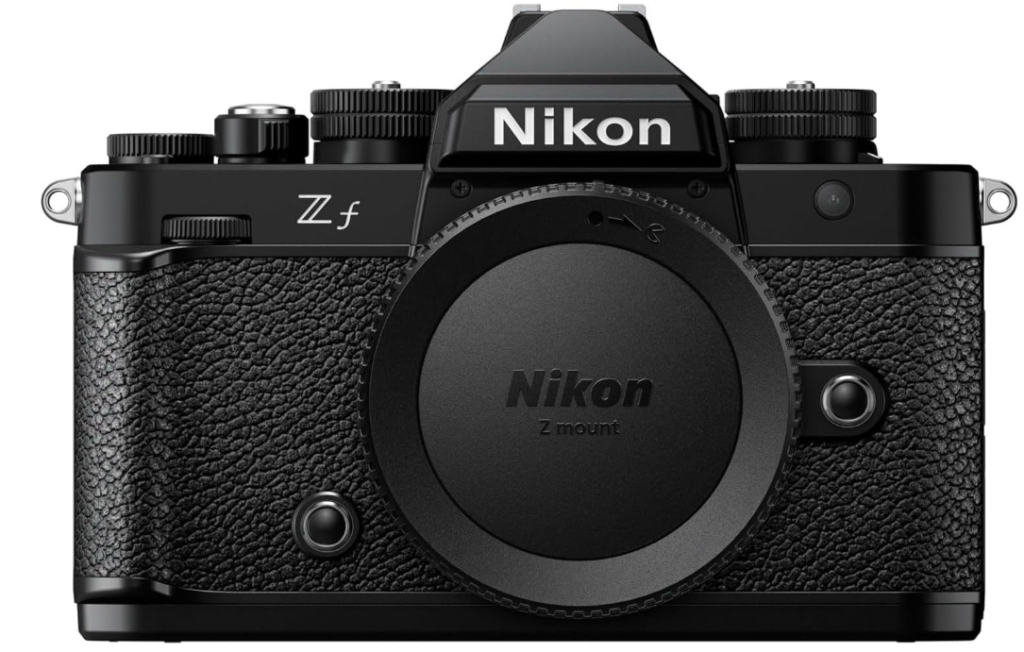
The Nikon Zf is a full-frame mirrorless camera that beautifully blends classic vintage styling with cutting-edge imaging technology. Designed for photographers who appreciate traditional controls without sacrificing modern performance, the Zf is an excellent choice for street photography, portraits, travel, landscapes, and hybrid content creation. Its timeless design is backed by Nikon’s latest innovations, making it a versatile camera capable of producing stunning stills and professional-quality video.
At its heart is a 24.5MP back-side illuminated (BSI) full-frame sensor, powered by Nikon’s flagship EXPEED 7 image processor. This combination delivers exceptional image quality with sharp detail, vibrant colors, excellent dynamic range, and impressive low-light performance.
Whether shooting in bright daylight or dimly lit city streets, the Zf produces clean, detailed images with minimal noise. For photographers seeking even greater resolution, the camera features Pixel Shift Shooting, which combines multiple exposures to create incredibly detailed 96MP still images with enhanced sharpness and reduced noise, making it ideal for commercial, landscape, and archival photography.
The Nikon Zf also features an advanced autofocus system with subject recognition and 3D Tracking, capable of identifying and tracking nine different subject types with remarkable accuracy. This intelligent autofocus ensures reliable focus on people, animals, vehicles, and other moving subjects, making it easy to capture decisive moments.
Composing shots is equally enjoyable thanks to the 3.2-inch vari-angle touchscreen, which introduces the innovative Touch Fn feature. While looking through the viewfinder, photographers can use the touchscreen to reposition focus points, select subjects for tracking, switch display modes, and perform other functions without taking their eye off the scene.
For videographers, the Nikon Zf delivers impressive recording capabilities, including oversampled 4K/30p video from 6K, 4K UHD recording at up to 60p, and 1080p slow-motion recording at 120fps. It also supports internal 10-bit H.265 recording in SDR, N-Log, and HLG, providing greater flexibility for color grading and HDR workflows. These advanced video features, combined with its excellent still-image performance and iconic retro design, make the Nikon Zf a highly capable hybrid camera for both photographers and filmmakers.
Pros
- Excellent 24.5MP BSI full-frame sensor with outstanding image quality
- Powerful EXPEED 7 processor delivers fast performance and excellent low-light results
- Advanced subject recognition with 3D Tracking supports nine subject types
- Pixel Shift Shooting creates ultra-detailed 96MP images
- High-quality oversampled 4K video and 4K UHD recording up to 60p
- Internal 10-bit H.265 recording with N-Log and HLG support
- Fully articulating 3.2-inch vari-angle touchscreen with innovative Touch Fn controls
- Classic retro-inspired design with modern mirrorless performance
- Excellent choice for both photography and video creation
Cons
- Premium price compared to entry-level full-frame mirrorless cameras
8) Sony A6700
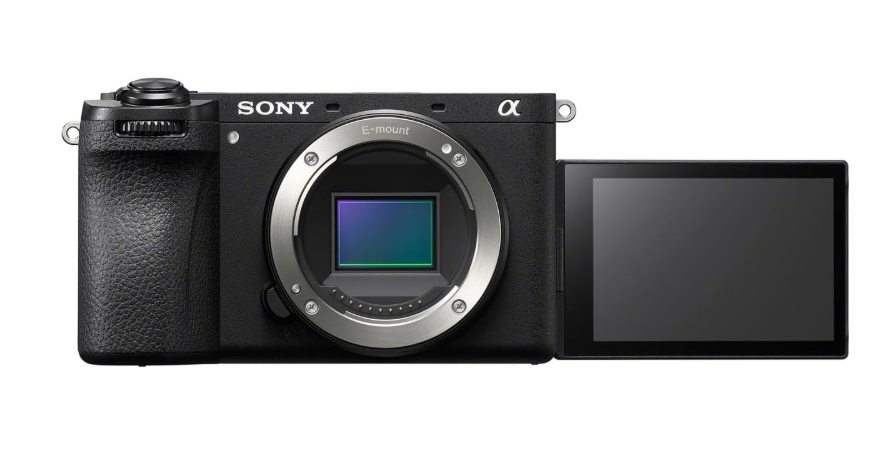
The Sony A6700 is a powerful APS-C mirrorless camera that combines professional imaging capabilities with a compact, travel-friendly design. Ideal for street photography, wildlife, sports, travel, and content creation, it delivers outstanding performance for both photographers and videographers. Equipped with Sony’s latest imaging technologies, the A6700 offers exceptional image quality, intelligent autofocus, and advanced video recording features that rival many higher-end full-frame cameras.
At the heart of the Sony A6700 is a 26.0MP APS-C Exmor R back-illuminated CMOS sensor, which captures sharp, detailed images with excellent dynamic range and impressive low-light performance. Paired with the advanced BIONZ XR image processor, the camera delivers fast processing speeds, accurate color reproduction, and reduced image noise, ensuring consistently high-quality results in a wide range of shooting conditions. Whether capturing fast-moving action or detailed landscapes, the A6700 provides professional-level image quality in a lightweight body.
One of the camera’s standout features is its dedicated AI processing unit with Real-time Recognition autofocus, which intelligently detects and tracks subjects with remarkable precision. The system recognizes people, animals, birds, vehicles, insects, and more, maintaining accurate focus even when subjects move unpredictably.
This advanced autofocus makes the A6700 particularly well-suited for street photography, wildlife, and sports, where speed and accuracy are essential.
For video creators, the Sony A6700 offers impressive recording capabilities, including 4K video at up to 60fps, oversampled from 6K for exceptional detail and clarity. It records in 4:2:2 10-bit color using either Long GOP or All-Intra compression, providing greater flexibility during editing and color grading.
The camera also supports high-frame-rate 4K recording at up to 120fps, allowing creators to capture stunning cinematic slow-motion footage without sacrificing resolution. These advanced video features, combined with Sony’s industry-leading autofocus and compact design, make the Sony A6700 one of the best APS-C hybrid cameras for photographers, filmmakers, and content creators alike.
Pros
- Excellent 26.0MP APS-C back-illuminated Exmor R CMOS sensor
- Powerful BIONZ XR processor delivers fast performance and outstanding image quality
- Dedicated AI processor provides highly accurate Real-time Recognition autofocus
- Excellent subject tracking for people, animals, birds, vehicles, and more
- Oversampled 6K-to-4K recording delivers exceptionally detailed video
- Records 4K 4:2:2 10-bit video at up to 60fps
- Supports high-frame-rate 4K recording at up to 120fps for smooth slow motion
- Choice of Long GOP and All-Intra recording formats for professional workflows
- Compact and lightweight design ideal for travel and everyday shooting
Cons
- APS-C sensor offers slightly less low-light performance than full-frame cameras
9) OM System OM-3
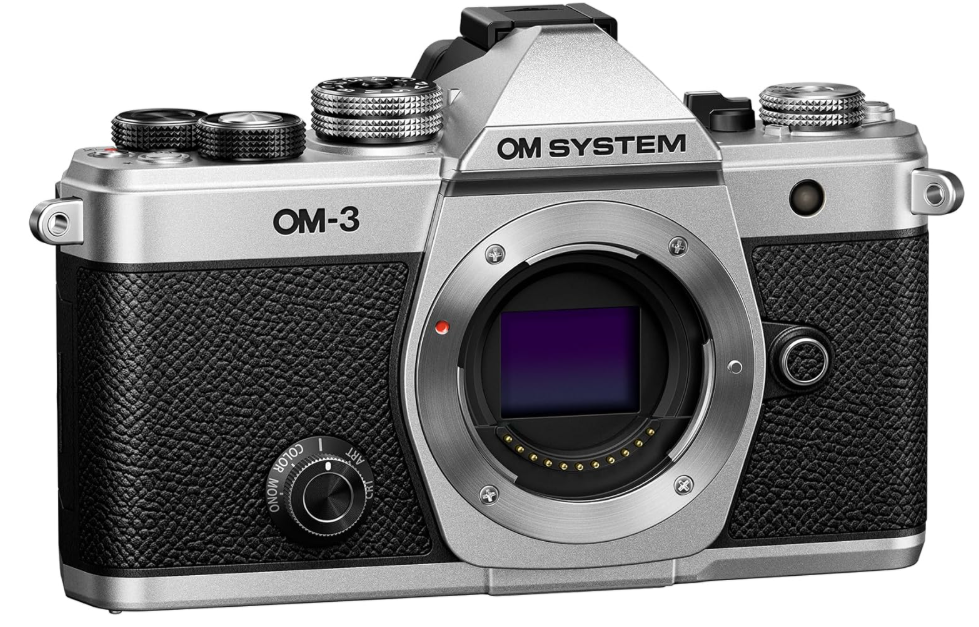
The OM System OM-3 is a premium Micro Four Thirds mirrorless camera that blends timeless vintage styling with cutting-edge imaging technology. Built with a durable premium metal body, it offers a classic look while delivering the advanced performance modern photographers and videographers demand. Compact, lightweight, and highly portable, the OM-3 is an excellent choice for street photography, travel, wildlife, landscapes, and everyday shooting.
At the heart of the camera is a 20MP stacked back-side illuminated (BSI) Live MOS sensor, powered by the advanced TruePic X image processor. This combination delivers fast performance, sharp image quality, rich color reproduction, and excellent dynamic range while reducing image noise in low-light conditions. The camera’s responsive operation makes it easy to capture fast-moving subjects, while the 2.36-million-dot OLED electronic viewfinder provides a bright, detailed view for accurate composition in any lighting environment.
Designed to perform in demanding outdoor conditions, the OM-3 features an IP53-rated weather-sealed body that is dustproof, splashproof, and freezeproof, giving photographers the confidence to shoot in rain, snow, or dusty environments. One of its biggest strengths is OM System’s extensive suite of Computational Photography features, including Live ND, Live Composite, High Resolution Shot, Focus Stacking, and other advanced modes that make it possible to create stunning images directly in-camera with minimal post-processing. These intelligent features simplify techniques that traditionally required specialized equipment or extensive editing.
The OM-3 also encourages creative expression through its dedicated Creative Dial, which provides quick access to Color Profile Control, Monochrome Profile Control, Color Creator, and a variety of Art Filters. These tools allow photographers to develop unique looks directly in-camera while maintaining full creative control.
For videographers, the camera includes S&Q (Slow & Quick) Mode, making it easy to record smooth slow-motion or dramatic time-lapse-style footage without additional editing. Combining rugged durability, advanced computational photography, and creative versatility in a stylish retro body, the OM System OM-3 is an excellent hybrid camera for photographers and content creators alike.
Pros
- Stylish vintage-inspired premium metal body
- Fast TruePic X processor delivers responsive performance
- 20MP stacked BSI Live MOS sensor produces sharp, high-quality images
- IP53-rated weather sealing protects against dust, splashes, and freezing temperatures
- Bright 2.36-million-dot OLED electronic viewfinder
- Powerful Computational Photography features reduce the need for post-processing
- Creative Dial offers quick access to color profiles, monochrome modes, and artistic filters
- S&Q Mode enables easy slow-motion and quick-motion video recording
- Compact and lightweight design ideal for travel and outdoor photography
Cons
- 20MP Micro Four Thirds sensor has lower resolution than many APS-C and full-frame competitors
10) Panasonic Lumix S9
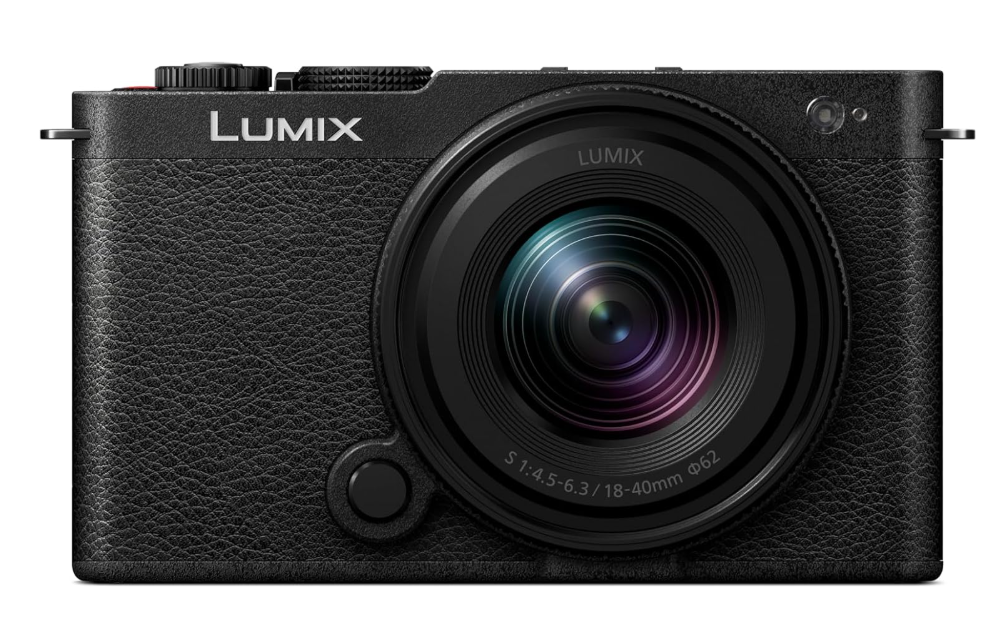
The Panasonic Lumix S9 is a compact full-frame mirrorless camera designed for photographers, vloggers, and content creators who want professional image quality in a highly portable package. Despite its small size, the Lumix S9 is packed with advanced features that make it an excellent everyday companion for travel, street photography, lifestyle content, and social media creation. Available in a range of attractive finishes, it combines stylish design with powerful performance, making it easy to carry wherever inspiration strikes.
One of the Lumix S9’s standout features is its ultra-fast wireless connectivity. Using the LUMIX Lab app and a high-speed Wi-Fi connection, photographers can seamlessly transfer photos and videos directly to their smartphones within moments of capture. Content automatically appears in the phone’s photo library, allowing creators to edit, upload, and share high-quality images and videos quickly across social media platforms without interrupting their workflow.
Built around a full-frame image sensor, the Lumix S9 delivers exceptional image quality with rich colors, impressive dynamic range, and excellent low-light performance. Whether shooting still photographs or recording high-resolution video, the camera consistently produces professional-looking results with outstanding detail and clarity. Its compact body makes it ideal for creators who want full-frame performance without the size and weight of traditional mirrorless cameras.
The Lumix S9 also introduces Open Gate recording, providing flexible framing options that are particularly valuable for modern content creators. By capturing the entire sensor area in a single recording, users can easily crop their footage into multiple aspect ratios; including vertical, square, and widescreen formats; without needing to reshoot.
Helpful multiple frame markers make composing content for different social media platforms simple, allowing creators to produce versatile content from a single take. Combining excellent image quality, seamless smartphone connectivity, and innovative video features, the Panasonic Lumix S9 is an outstanding choice for hybrid creators seeking a compact yet capable full-frame camera.
Pros
- Compact and lightweight full-frame mirrorless design
- Excellent full-frame image quality with impressive low-light performance
- Ultra-fast wireless photo and video transfer using the LUMIX Lab app
- Professional-quality high-resolution photo and unlimited video recording
- Open Gate recording provides flexible cropping for multiple aspect ratios
- Multiple frame markers simplify content creation for social media platforms
- Stylish design available in several attractive finishes
- Excellent choice for travel, vlogging, and everyday content creation
Cons
- Compact body offers fewer physical controls than larger professional cameras
Factors to Consider When Choosing the Best Cameras for Street Photography 2026
1. Sensor Size and Image Quality
The sensor is one of the most important factors when choosing a street photography camera because it directly affects image quality, low-light performance, and dynamic range. Full-frame cameras generally produce cleaner images at higher ISO settings and offer greater background separation, while APS-C cameras provide an excellent balance of image quality, portability, and affordability. Micro Four Thirds cameras, meanwhile, excel in compactness and often feature impressive stabilization. Choose a sensor size that matches your shooting style, budget, and portability needs.
2. Camera Size and Portability
Street photography often involves walking for hours and capturing candid moments without attracting attention. A lightweight, compact camera is easier to carry all day and less intimidating to subjects. Smaller cameras also encourage more spontaneous shooting because they fit comfortably in a shoulder bag or even a jacket pocket. Cameras like the Fujifilm X100VI and Ricoh GR IIIx are popular precisely because they combine excellent image quality with discreet, travel-friendly designs.
3. Autofocus Performance
Fast and reliable autofocus is essential for capturing fleeting moments on busy streets. Modern cameras equipped with AI-powered subject detection and real-time tracking can recognize people, animals, vehicles, and even specific subjects such as trains or aircraft. A responsive autofocus system minimizes missed shots by maintaining accurate focus on moving subjects, allowing photographers to concentrate on composition and timing rather than constantly adjusting focus manually.
4. Lens Type and Focal Length
Your choice of lens significantly influences the style of your street photography. Fixed-lens cameras often feature classic focal lengths such as 28mm, 35mm, or 40mm, which closely match natural human vision and encourage thoughtful composition. Interchangeable-lens cameras offer greater flexibility, allowing you to switch between wide-angle, standard, and short telephoto lenses depending on the scene. Consider whether you value simplicity and portability or the versatility of changing lenses.
5. Low-Light Performance
Street photography frequently takes place during early mornings, evenings, or in dimly lit urban environments. A camera with excellent high-ISO performance, wide dynamic range, and effective image stabilization allows you to continue shooting handheld without excessive image noise or motion blur. Features such as back-side illuminated (BSI) sensors and in-body image stabilization (IBIS) greatly improve performance when natural light is limited.
6. Image Stabilization
In-body image stabilization has become an invaluable feature for street photographers. It helps reduce camera shake when shooting handheld at slower shutter speeds, resulting in sharper photos and smoother video footage. Cameras offering five-axis stabilization with multiple stops of compensation allow photographers to work confidently in low-light conditions without always relying on a tripod or increasing ISO.
7. Viewfinder and LCD Screen
A high-quality electronic or optical viewfinder makes composing images easier, especially in bright sunlight where rear screens can be difficult to see. Likewise, a tilting or vari-angle touchscreen LCD adds flexibility when shooting from high or low angles without drawing attention. Responsive touch controls can also improve autofocus selection and overall shooting efficiency, making the camera easier to operate in fast-paced environments.
8. Continuous Shooting Speed
Street photography often involves capturing split-second expressions, gestures, and movement. Cameras with fast burst shooting rates increase the likelihood of capturing the perfect decisive moment. High continuous shooting speeds, combined with minimal shutter lag and responsive processing, are especially useful when photographing crowds, cyclists, performers, or other fast-moving subjects in urban settings.
9. Video Capabilities
Many photographers also create video content for YouTube, Instagram, TikTok, or other social media platforms. If you plan to shoot both photos and video, look for cameras that offer features such as oversampled 4K recording, 10-bit color, slow-motion recording, and advanced video profiles like Log or HDR. Strong hybrid performance allows one camera to handle both photography and professional-quality video production.
10. Battery Life
Battery life becomes increasingly important during long days of shooting or while traveling. A camera capable of capturing several hundred images on a single charge reduces interruptions and minimizes the need to carry multiple spare batteries. Efficient power management, USB charging, and the availability of external power options are additional features worth considering for extended photography sessions.
11. Weather Sealing and Durability
Street photographers often work in unpredictable environments, including rain, dust, heat, or cold weather. Cameras with weather-resistant construction offer greater peace of mind and can continue performing reliably in challenging conditions. A durable body also withstands the wear and tear of frequent travel and everyday use, making it a worthwhile investment for photographers who regularly shoot outdoors.
12. Connectivity and Content Sharing
Modern street photographers increasingly share their work online immediately after shooting. Cameras with built-in Wi-Fi, Bluetooth, or dedicated mobile apps make it easy to transfer images and videos directly to a smartphone for quick editing and posting. Features like wireless remote control, automatic image transfer, and social media-friendly recording modes streamline the entire workflow, particularly for content creators and travel photographers.
13. Creative Features and User Experience
Many modern cameras include built-in creative tools that reduce editing time and inspire experimentation. Film simulation modes, customizable color profiles, monochrome presets, computational photography features, and in-camera filters allow photographers to develop a distinctive style straight out of the camera. Equally important are intuitive controls, customizable buttons, and ergonomic design, all of which contribute to a faster and more enjoyable shooting experience. Choosing a camera that feels comfortable in your hands and complements your workflow can make a significant difference in your overall street photography experience.
FAQs
1. What is the best camera for street photography in 2026?
The Fujifilm X100VI is widely considered one of the best cameras for street photography in 2026 thanks to its compact design, 40.2MP APS-C sensor, built-in image stabilization, silent operation, and fixed 35mm-equivalent lens. Its excellent image quality, classic controls, and film simulation modes make it a favorite among both professionals and enthusiasts. However, if you prefer interchangeable lenses, cameras like the Sony A7C II, Canon EOS R8, and Nikon Zf are excellent alternatives.
2. Is a full-frame camera better than an APS-C camera for street photography?
Not necessarily. Full-frame cameras generally offer better low-light performance, wider dynamic range, and greater background blur, making them ideal for photographers who frequently shoot in challenging lighting conditions. However, APS-C cameras are typically smaller, lighter, and more affordable while still delivering outstanding image quality. Many street photographers actually prefer APS-C cameras such as the Fujifilm X-T5, Fujifilm X100VI, and Sony A6700 because they strike an excellent balance between portability and performance.
3. What lens is best for street photography?
Prime lenses with focal lengths between 28mm and 40mm (full-frame equivalent) are the most popular choices for street photography because they provide a natural field of view and encourage photographers to get closer to their subjects. A 35mm equivalent lens is often considered the sweet spot, offering versatility for capturing city scenes, environmental portraits, and candid moments. If you choose an interchangeable-lens camera, a compact 35mm or 40mm prime lens is an excellent place to start.
Final Thoughts
Choosing the best camera for street photography in 2026 ultimately comes down to your shooting style, experience level, and budget. Whether you prefer the compact convenience of the Fujifilm X100VI, the pocket-friendly Ricoh GR IIIx, the premium performance of the Leica Q3, or the versatility of interchangeable-lens cameras like the Sony A7C II, Canon EOS R8, and Nikon Zf, each model on this list offers unique strengths for capturing authentic everyday moments.
By considering factors such as image quality, autofocus performance, portability, stabilization, and video capabilities, you can confidently invest in a camera that will help you create compelling street photographs for years to come. Before processing your upgrade, consider if you prefer a modular system that accepts interchangeable lenses or a pocket-sized fixed framework. For an exceptional look at streamlined setups built for maximum stealth, look over our recommendations for the best budget compact camera for street photography.