
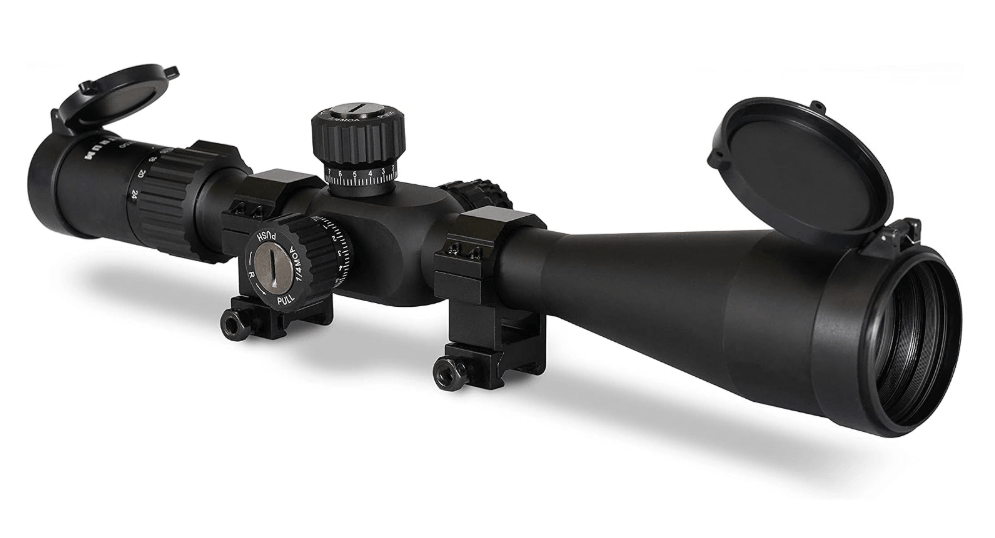
Find the best budget FFP scopes. Read our expert, field-tested reviews on the top affordable first focal plane rifle scopes.
Shooting at long distances requires absolute precision from your optical system. Traditionally, first focal plane (FFP) options were exceptionally expensive choices. However, modern manufacturing techniques have introduced highly capable models to the budget tier.
Choosing a low-cost FFP optic introduces a unique set of field challenges. Specifically, budget glass often suffers from thin, unusable reticle lines at low magnification settings. Furthermore, cheap internal tracking gears can cause your point of impact to shift unpredictably. Therefore, finding an affordable option requires balancing structural durability with clear glass performance.
Our team evaluated the leading affordable first focal plane models on the market today. We analyzed turret tracking consistency, reticle visibility, parallax adjustment functionality, and low-light performance. If you are preparing an entry-level rifle system for the field, you can also explore our field-tested guide on the Best Budget Deer Hunting Scopes to see how budget optics manage target transitions under dense canopy cover.
Quick Comparison Table
| Product | Best For | Magnification | Objective Lens | Primary Advantage | Check Price |
| Vortex Diamondback Tactical | Best Overall Value | 4-16x | 44mm | Crisp turret tracking grid | 👉 View on Amazon |
| Primary Arms SLx 4-14×44 | Best Reticle Design | 4-14x | 44mm | Advanced ACSS HUD layout | 👉 View on Amazon |
| Athlon Optics Talos BTR | Best Low-Light Choice | 4-14x | 44mm | Fully multi-coated lens system | 👉 View on Amazon |
| Arken Optics SH-4 Gen2 | Best Precision Tracking | 4-16x | 50mm | Heavy-duty 34mm main tube | 👉 View on Amazon |
| Monstrum G3 6-24×50 | Best Ultra-Budget Pick | 6-24x | 50mm | Highly affordable high-zoom frame | 👉 View on Amazon |
Quick Recommendations
- Choose the Vortex Diamondback Tactical 4-16×44 if you need a dependable, lightweight precision system backed by an unconditional lifetime replacement guarantee.
- Choose the Primary Arms SLx 4-14×44 FFP if your shooting style relies on rapid, bullet-drop-compensating grid reticles for fast target acquisition without manual turret twisting.
- Choose the Arken Optics SH-4 Gen2 4-16×50 if you prioritize a massive 34mm main tube framework and highly tactile, audible turret tracking clicks above all else.
Why We Recommend Them
Evaluating budget FFP optics requires looking past standard advertising claims to find true mechanical accuracy. When we established our testing protocols, we focused heavily on internal consistency and long-term zero retention. For instance, we subjected every model to a rigorous box test to ensure the reticle shifts accurately and returns to center perfectly.
Additionally, our editors evaluated the physical thickness of the reticle lines at the lowest magnification power settings. This test is crucial because an over-thinned budget reticle becomes completely invisible against dark backgrounds. Finally, we verified the fluid movement of the side parallax adjustment dials across varying distances to guarantee crisp focus during active range use.
5 Best Budget FFP (First Focal Plane) Scopes
1. Vortex Diamondback Tactical 4-16×44 FFP
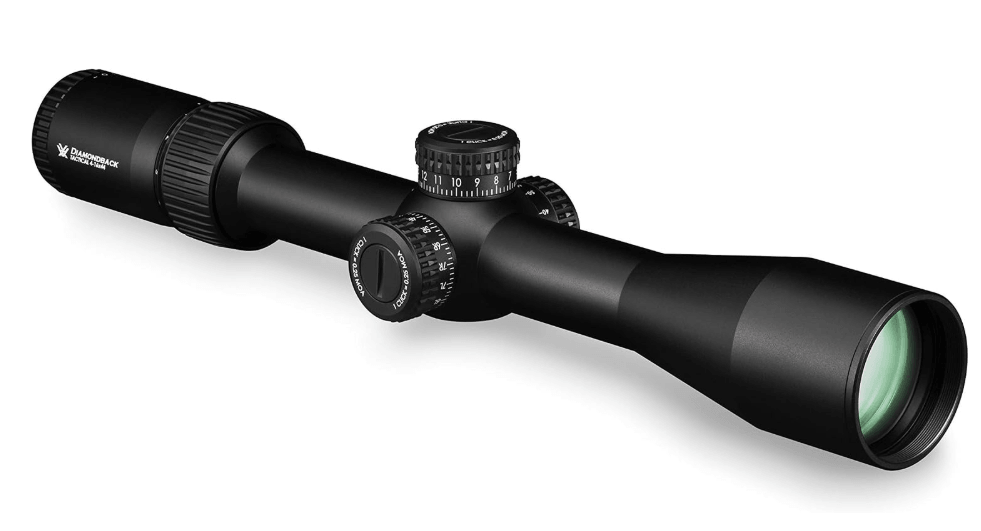
- Best For: Best Overall Value
- Magnification: 4-16x
- Objective Lens: 44mm
- Tube Diameter: 30mm
- Weight: 23.1 Ounces
- Pros: Extra-low dispersion glass layout; exposed tactical turrets; EBR-2C precision reticle grid.
- Cons: Lacks an illuminated reticle layout for hunting during deep twilight.
Performance Analysis:
The Vortex Diamondback Tactical is an exceptional tool for shooters entering the world of long-range precision. Specifically, the extra-low dispersion glass element effectively reduces chromatic aberration across the entire magnification range. Consequently, target borders remain sharp and clear even when stepping up to full 16x zoom.
During our hands-on testing, the exposed tactical turrets delivered highly consistent tracking measurements across multiple distance variations. The EBR-2C reticle provides comprehensive windage and elevation holdover lines without creating a cluttered viewing area. However, the lack of an internal illumination module makes the crosshairs difficult to track against dark treelines during dawn or dusk.
👉 Check the current price of the Vortex Diamondback Tactical on Amazon
2. Primary Arms SLx 4-14x44mm FFP
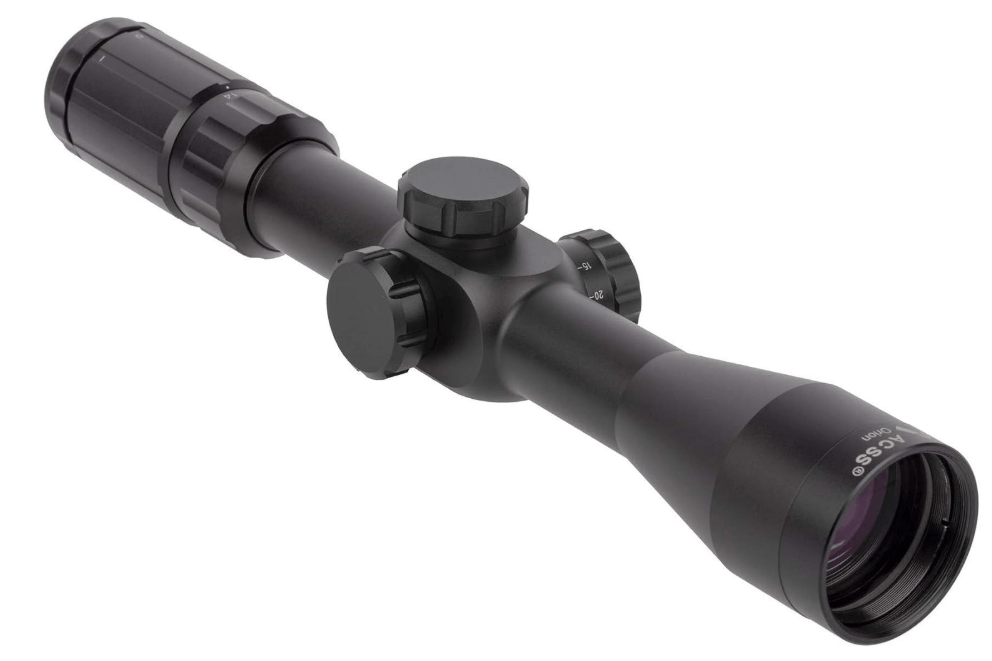
- Best For: Best Reticle Design
- Magnification: 4-14x
- Objective Lens: 44mm
- Tube Diameter: 30mm
- Weight: 23.9 Ounces
- Pros: Advanced ACSS Orion reticle structure; partial reticle illumination system; durable 6061-T6 aluminum build.
- Cons: The exterior adjustment turrets feel slightly mushy compared to dedicated tactical setups.
Performance Analysis:
Primary Arms has built an immense following due to their patented smart reticle systems. This SLx model utilizes a first focal plane configuration to keep your target holdover math accurate at every single zoom level. For instance, the integrated range-estimation brackets allow you to judge target distance instantly without utilizing an external digital laser rangefinder.
When we tested the Primary Arms SLx on an intensive range day, the integrated wind hold dots allowed us to make rapid adjustments on steel plates in high wind environments. Additionally, the partial reticle illumination system keeps the center aiming point highly visible during dark afternoons. The physical turrets track reliably, but they lack the sharp, audible snap found on more expensive models.
👉 Check the current price of the Primary Arms SLx on Amazon
3. Athlon Optics Talos BTR 4-14×44 FFP
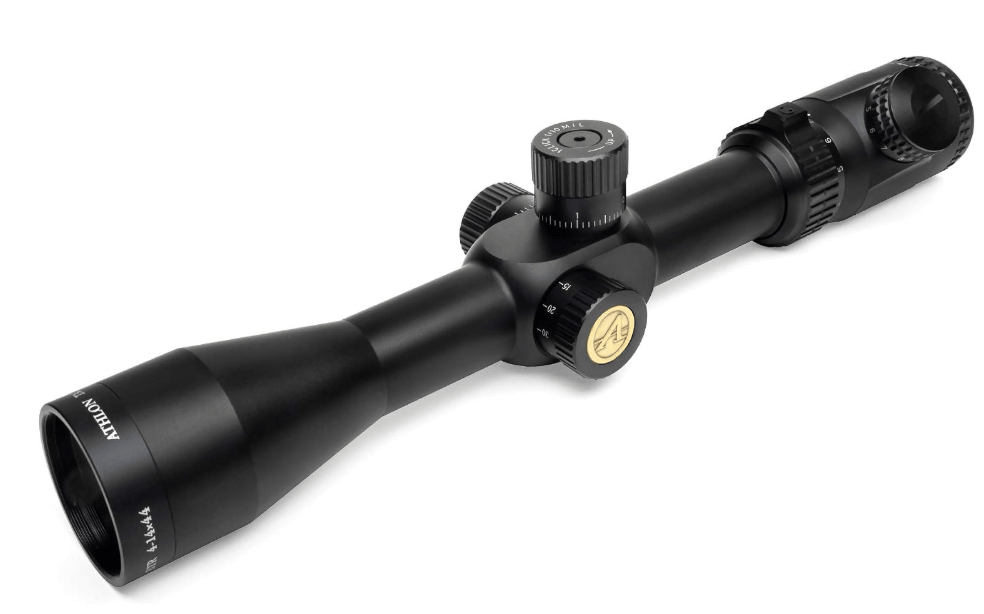
- Best For: Best Low-Light Choice
- Magnification: 4-14x
- Objective Lens: 44mm
- Tube Diameter: 30mm
- Weight: 24.1 Ounces
- Pros: Fully multi-coated optical surface layer; glass-etched illuminated reticle; side focus parallax adjustment down to 10 yards.
- Cons: The eye box forgiveness gets noticeably narrow at the maximum 14x magnification limit.
Performance Analysis:
Athlon Optics specializes in bringing high-end features down to highly competitive price points. The Talos BTR utilizes fully multi-coated lenses to maximize total light transmission through the internal tube assembly. As a result, the user gets a significantly brighter image profile during the critical opening and closing hours of the day.
When we tested this optic against shadowed target boards at dusk, the illuminated APLR2 reticle provided exceptional contrast against the dark background grid. Furthermore, the side parallax adjustment function transitions down to 10 yards. Consequently, this tight focus makes the scope an outstanding crossover tool for precision rimfire target platforms.
👉 Check the current price of the Athlon Optics Talos BTR on Amazon
4. Arken Optics SH-4 Gen2 4-16×50 FFP
- Best For: Best Precision Tracking
- Magnification: 4-16x
- Objective Lens: 50mm
- Tube Diameter: 34mm
- Weight: 35.6 Ounces
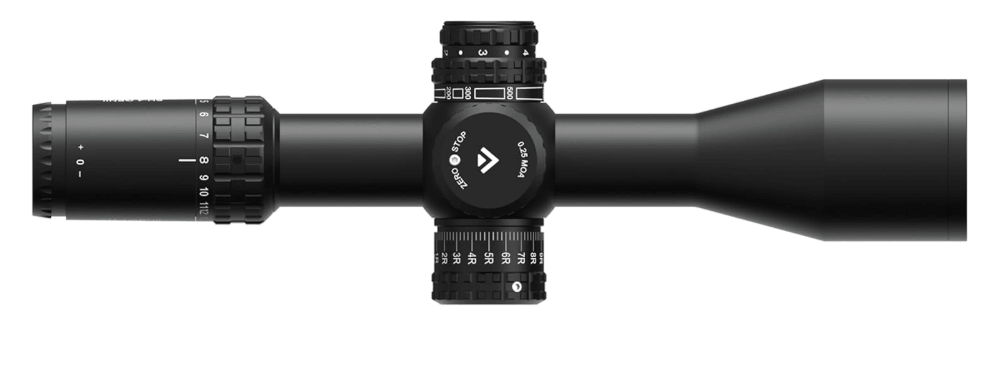
- Pros: Massive 34mm main tube structure; concrete AZS zero stop system; extremely tactile mechanical turret clicks.
- Cons: The heavy structural build adds significant overall weight to your rifle system.
Performance Analysis:
The Arken Optics SH-4 Gen2 is engineered like a premium tank, prioritizing raw mechanical tracking durability above weight savings. Specifically, the oversized 34mm main tube allows for a massive total windage and elevation adjustment travel range. Therefore, long-range shooters can dial for extreme distances without running out of internal turret clicks.
During our field reviews, the integrated zero-stop system allowed us to drop back to our exact base calibration instantly after making extreme adjustments. The mechanical turret clicks are incredibly loud and distinct to the touch. However, the heavy steel-reinforced components push the total weight past 35 ounces. This added bulk makes it less than ideal for active mountain hunting treks.
👉 Check the current price of the Arken Optics SH-4 Gen2 on Amazon
5. Monstrum G3 6-24×50 FFP
- Best For: Best Ultra-Budget Pick
- Magnification: 6-24x
- Objective Lens: 50mm
- Tube Diameter: 30mm
- Weight: 30.0 Ounces
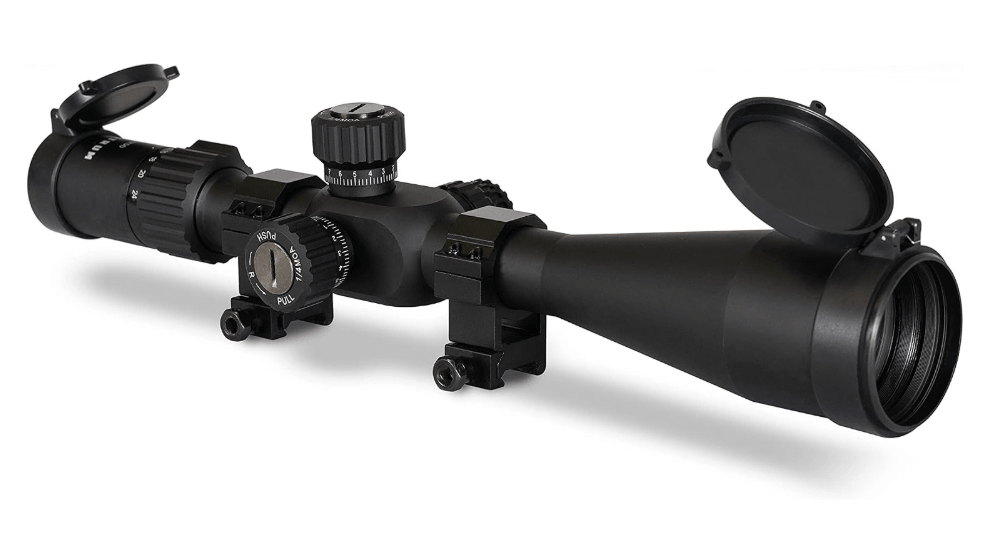
- Pros: High 24x magnification capability; highly affordable pricing strategy; included flip-up lens covers and sunshade accessory.
- Cons: Noticeable optical clarity loss and edge distortion present themselves past 20x magnification.
Performance Analysis:
Monstrum Tactical targets budget-conscious shooters who want to explore high-power FFP capabilities without making a massive financial commitment. The G3 model offers a substantial 6-24x zoom range paired with a wide 50mm objective lens. Consequently, this large glass surface area gathers plenty of ambient light for clear midday range viewing.
During our field sessions, the custom-etched illuminated reticle functioned reliably across multiple brightness settings. However, when we stepped the zoom power up past 20x, we observed a minor loss in edge-to-edge optical resolution. Additionally, a slight haze can form around the outer viewing perimeter in high-glare environments.
Despite these minor limitations, it remains an unbeatable value option for casual target plinking, and if you are searching for similar budget-friendly options with high visual contrast, you can also explore our field-tested guide on the Best Affordable Scopes with Illuminated Reticles to compare alternative crosshair styles.
👉 Check the current price of the Monstrum G3 on Amazon
Comprehensive Buying Guide: The Physics of FFP Optics
Understanding the mechanical differences between first focal plane and second focal plane systems is vital before making a purchase. Specifically, entry-level shoppers must know how budget limitations impact real-world handling.
The Focal Plane Dynamic
First focal plane scopes place the reticle assembly in front of the magnification lens system. Consequently, the reticle crosshairs physically grow and shrink as you turn the zoom ring. This engineering choice guarantees that the subtensions and hash marks on your reticle remain perfectly accurate at every single magnification level.
For instance, a 2-MIL holdover line measures exactly 2 MILs whether you are sitting at 4x or 16x zoom. Therefore, you can estimate distance and hold for wind variables instantly without running complex conversion equations.
Conversely, budget second focal plane models keep the reticle at a fixed physical size. This means the hash marks are only accurate at one specific magnification setting, usually the maximum power. For precision shooters transitioning across changing target distances, the FFP layout saves immense time and prevents critical calculation errors in the field.
Tracking Tolerances & Mechanical Precision
The internal erector tube inside your optic relies on precision leaf springs and microscopic gear threads to adjust your point of impact. Budget manufacturers frequently utilize synthetic polymers or soft brass gears to cut production expenses. Over time, heavy rifle recoil can cause these soft components to wear down or slip. Therefore, look for options that explicitly feature hard anodized aluminum components or steel-on-steel tracking paths.
If you want to see how these low-cost mechanical systems compare directly to the tighter tolerances used by premium master gunsmiths, feel free to read our comprehensive review of the Best High-End Rifle Scopes Under $1000 to study top-tier benchrest standards.
Exposed tactical turrets provide fast adjustment access, but they must feature clean, tactile detent clicks. A mushy turret makes it incredibly easy to accidentally over-dial your corrections when working under stressful field conditions. Furthermore, an integrated zero-stop assembly adds immense value. This component physically blocks the turret from twisting past your original base distance, ensuring you never get lost in your turret rotations.
FAQs
1. What is the primary disadvantage of a budget FFP scope?
The primary limitation involves reticle line thickness at low magnification settings. Specifically, when you drop down to the lowest zoom power, the reticle shrinks significantly along with the image. As a result, the crosshairs can become overly thin and difficult to locate quickly against thick brush or during low-light conditions.
2. Does an illuminated reticle help when using low magnification on an FFP scope?
Yes, an illuminated reticle is highly beneficial on first focal plane optics. When the reticle scales down to its smallest physical size at low power, activating the center illumination turning knob creates a distinct, glowing center point. Consequently, this bright marker functions almost as fast as a traditional red dot sight for close-range target tracking.
3. Is a 30mm tube or a 34mm tube better for budget FFP precision shooting?
A 34mm main tube structure is generally superior for dedicated long-range shooting platforms. The larger interior diameter allows for significantly more internal windage and elevation tracking travel. Therefore, you can dial for extreme distances without running out of turret adjustments, though 30mm tubes remain lighter and easier to mount using standard ring selections.
Conclusion
Climbing to the top of long-range precision lists without breaking the bank requires matching your optic’s tracking strengths directly to your primary shooting application. If you prioritize bulletproof warranty security and balanced overall lens clarity, the Vortex Diamondback Tactical is a phenomenal choice. Shooters who prefer rapid holdover reticles without twisting physical knobs can rely completely on the Primary Arms SLx line. Meanwhile, structural precision purists will find the heavy-duty tracking layout of the Arken SH-4 highly rewarding. Prioritizing correct tracking components and clean internal reticle visibility ensures your target frame remains perfectly sharp across every distance marker.