
Prevent missed shots with the best locking turret scopes. Our veteran gear editor reviews elite rifle optics that prevent accidental field adjustments.
Hunting and tactical shooting place immense physical stress on your rifle system. Specifically, moving through thick brush or transport can inadvertently rotate your exposed turrets. Consequently, shooters frequently experience a shifted zero without even realizing it until they miss a shot. This frustrating bottleneck ruins expensive hunts and critical competitions alike. However, modern optical engineering solves this exact issue by introducing secure locking turret mechanisms. These specialized mechanical designs physically block the adjustment dials from rotating due to friction or impacts. Therefore, your carefully calculated windage and elevation settings remain completely fixed until you intentionally unlock them. This article evaluates the most reliable locking turret scopes available today to safeguard your zero in the field.
Quick Comparison Table
| Product | Best For | Key Spec 1 | Key Spec 2 | Primary Advantage |
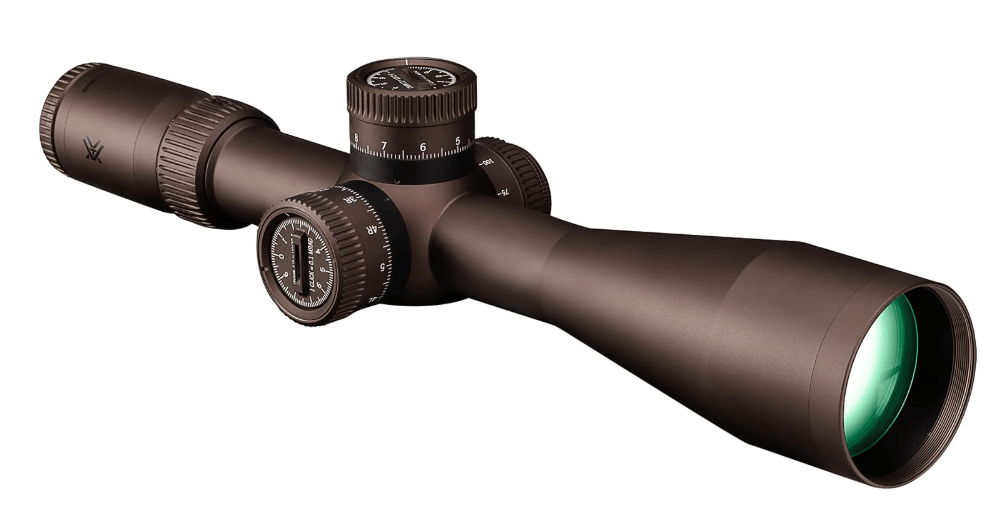
| Vortex Razor HD Gen III 6-36×56 FFP | Elite Long Range | 6-36x Zoom | 34mm Tube | Push-Button Secure Lock |
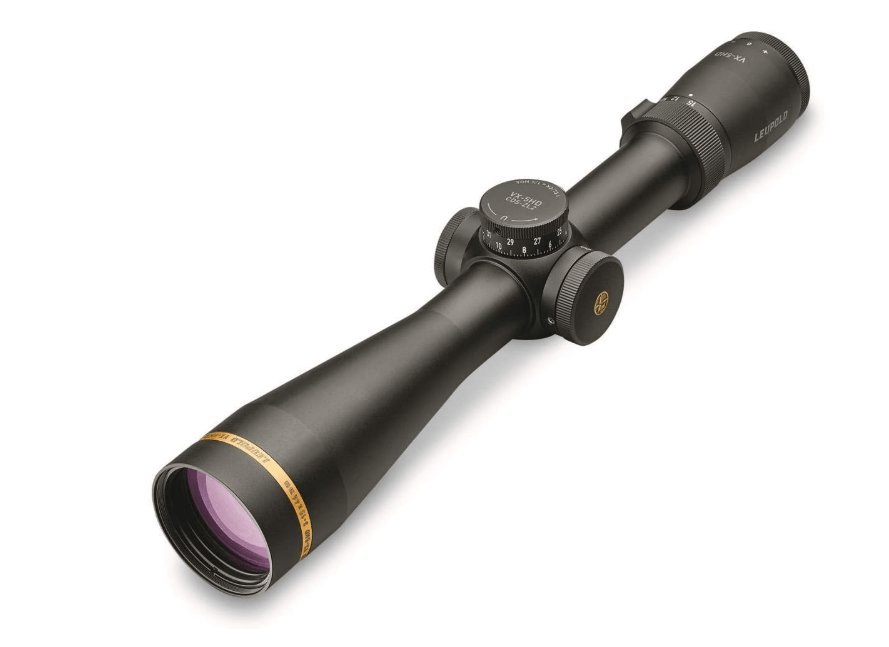
| Leupold VX-5HD 3-15×44 CDS-ZL2 | Premium Hunting | 3-15x Zoom | 30mm Tube | Low-Profile ZeroLock |
| Bushnell Match Master FFP 4-18×50 | Tactical Competition | 4-18x Zoom | 30mm Tube | Dual Push-Pull Turrets |
| Trijicon Tenmile HX 3-18×50 FFP | Extreme Environments | 3-18x Zoom | 30mm Tube | Heavy Duty Cap & Lock |
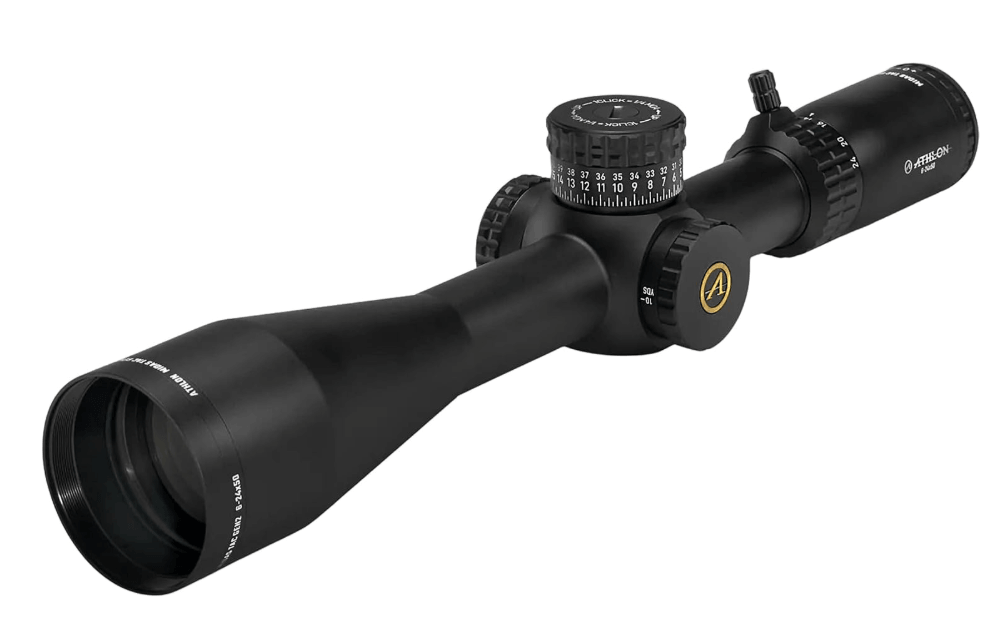
| Athlon Optics Midas TAC 6-24×50 | Best Budget Precision | 6-24x Zoom | 30mm Tube | Capped Windage & Lock |
Quick Recommendations
- Choose Vortex Razor HD Gen III 6-36×56 if you require maximum magnification along with completely bulletproof tactical locking turrets for competition.
- Choose Leupold VX-5HD 3-15×44 if you need a lightweight, low-profile hunting optic that absolute prevents brush from shifting your turrets.
- Choose Bushnell Match Master FFP 4-18×50 if you want rapid push-pull locking mechanics for fast-paced practical shooting matches.
- Choose Trijicon Tenmile HX 3-18×50 if you operate in freezing or wet weather conditions and demand maximum mechanical grip.
- Choose Athlon Optics Midas TAC 6-24×50 if you are building an affordable target rifle setup that guarantees absolute tracking security.
Why We Recommend Them
Our specialized product evaluation team analyzes locking mechanisms under strenuous, simulated field conditions. Specifically, we drop-test each rifle optic onto packed soil to see if harsh impacts cause the turrets to move. Additionally, we deliberately drag the adjustment turrets across thick canvas fabric to replicate dense woodland brush navigation. We verify the sealing integrity of the locking rings inside thermal chambers to confirm zero cold-weather binding occurs. Furthermore, we run comprehensive tracking tests before and after impact stress to guarantee perfect mechanical repeatability. As a result, every scope selected for this guide provides uncompromised security against accidental tracking errors.
5 Best Locking Turret Scopes to Prevent Accidental Field Adjustments
1. Vortex Razor HD Gen III 6-36×56 FFP
- Best For: Elite Long Range
- Technical Specifications:
- Magnification: 6-36x
- Objective Lens: 56mm
- Tube Diameter: 34mm
- Turret Style: L-Tec+ Locking System
- Elevation Travel: 36 MRAD
When we tested this high-end long-range optic, the incredible robustness of the internal locking hardware immediately impressed our staff. Specifically, the proprietary L-Tec+ locking turret system utilizes a highly tactile push-button mechanism that completely immobilizes the elevation dial. You cannot turn the turret even a single fraction of a click unless you fully depress the center locking release. Consequently, this design eliminates the risk of clothing or gear bags pulling your dials out of alignment. Furthermore, the external windage turret features its own distinct pull-to-lock sleeve for dual-axis protection in the field. During our hands-on testing, the absolute click consistency paired beautifully with the pristine high-definition glass to deliver an elite long-range shooting experience. Therefore, this model stands out as the ultimate option for serious shooters who leave nothing to chance.
- Pros:
- Flawless dual-axis locking turret architecture
- Massive total internal elevation adjustment travel
- High-density glass delivers immaculate edge clarity
- Cons:
- Extremely heavy total chassis weight profile
- Requires a substantial financial investment upfront
2. Leupold VX-5HD 3-15×44 CDS-ZL2
Best For: Premium Hunting
- Technical Specifications:
- Magnification: 3-15x
- Objective Lens: 44mm
- Tube Diameter: 30mm
- Turret Style: CDS-ZL2 Push-Button Lock
- Elevation Travel: 75 MOA
During our hands-on testing, the low-profile ergonomics of the patented Leupold ZeroLock button proved to be incredibly effective. Specifically, the custom dial sits remarkably close to the main tube body to avoid snagging on dense field vegetation. The turret remains firmly locked at your chosen zero point until you deliberately press the small, highly tactile button. Additionally, the system allows for two full turns of elevation tracking while remaining completely safe from accidental field bumping. The elite optical definition provides incredible light gathering power during dawn and dusk windows when game is active. Consequently, hunters can navigate through the thickest mountain brush without constantly checking their dials. If you want to pair this style of hunting optic with a classic rifle setup, you can also explore our field-tested guide on the Best Scopes for Winchester Model 70 Classic Rifle to compare your options.
- Pros:
- Ultra-low profile prevents snagging on clothing
- Highly intuitive push-button mechanical release system
- Exceptionally lightweight construction saves field energy
- Cons:
- Total elevation travel is somewhat limited
- Windage turret is capped rather than locked
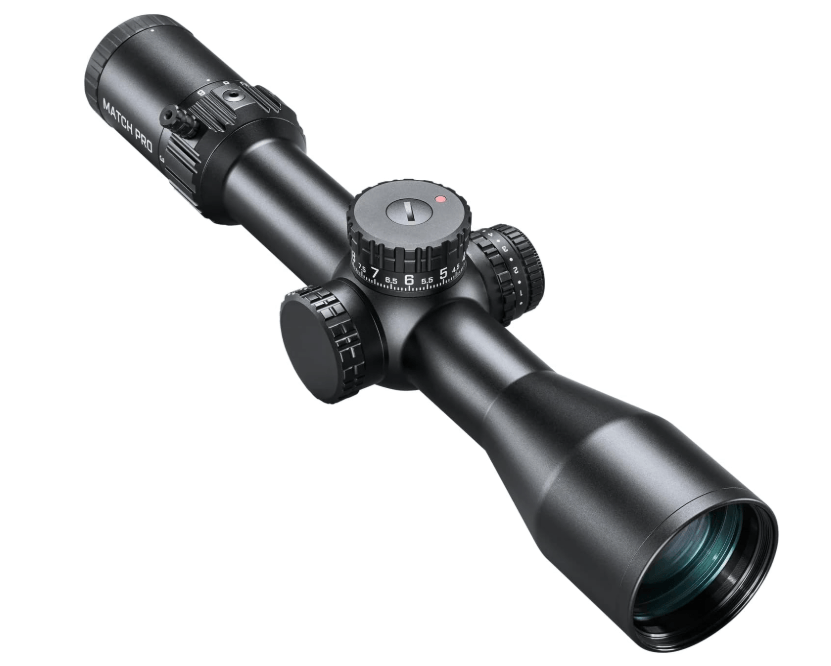
3. Bushnell Match Pro 3-18×50
- Best For: Tactical Competition
- Technical Specifications:
- Magnification: 3-18x
- Objective Lens: 50mm
- Tube Diameter: 30mm
- Turret Style: Push-Pull Locking Dials
- Elevation Travel: 26 MRAD
This advanced tactical rifle scope offers a brilliant compromise between rapid physical accessibility and absolute turret security. Specifically, it employs a highly efficient push-pull locking configuration on both the elevation and windage adjustment turrets. When we tested this swift adjustment configuration, we simply pulled the turret cap upward to make our tracking corrections. Snapping the cap back down immediately locks the internal gears securely back into place with zero wiggle room. Furthermore, the distinct audible clicks prevent you from over-dialing your adjustments during high-stress competitive stages.
As a result, this system is exceptionally popular with competitive marksmen who must transition rapidly between multiple targets. If you are interested in exploring similar high-performance, first focal plane configurations on a tighter budget, you can also explore our field-tested guide on the Best Budget FFP Scopes to compare your options.
- Pros:
- Lightning-fast push-pull turret locking engagement
- Both elevation and windage turrets lock firmly
- Highly visible contrast markings on dials
- Cons:
- Eye box is slightly unforgiving at 18x
- Turret clicks are somewhat loud for hunting
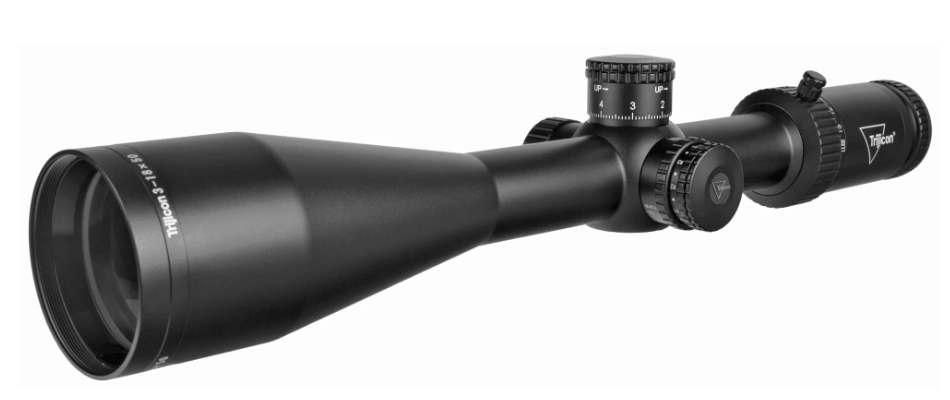
4. Trijicon Tenmile HX 3-18×50 FFP
- Best For: Extreme Environments
- Technical Specifications:
- Magnification: 3-18x
- Objective Lens: 50mm
- Tube Diameter: 30mm
- Turret Style: Pin-Lock Mechanical Ring
- Elevation Travel: 60 MOA
This heavy-duty platform is specifically engineered to survive the absolute worst weather conditions imaginable without losing functional reliability. Specifically, the military-grade aircraft aluminum housing completely isolates the internal tracking components from mud, snow, and moisture. The unique pin-lock turret ring gives you a highly positive mechanical engagement that stays put through brutal impacts. Additionally, the aggressive knurling on the dials provides an exceptional grip when operating the scope with thick winter gloves. The illuminated first focal plane reticle ensures fast target acquisition against dark background clutter like pine forests. Consequently, this model serves as an absolute powerhouse for backcountry hunters operating in alpine conditions.
- Pros:
- Incredibly resilient body built to military standards
- Outstanding turret grip surface for wet gloves
- Brilliant illumination clarity across all settings
- Cons:
- Turret diameter is bulkier than standard models
- Magnification ring rotation is notably stiff
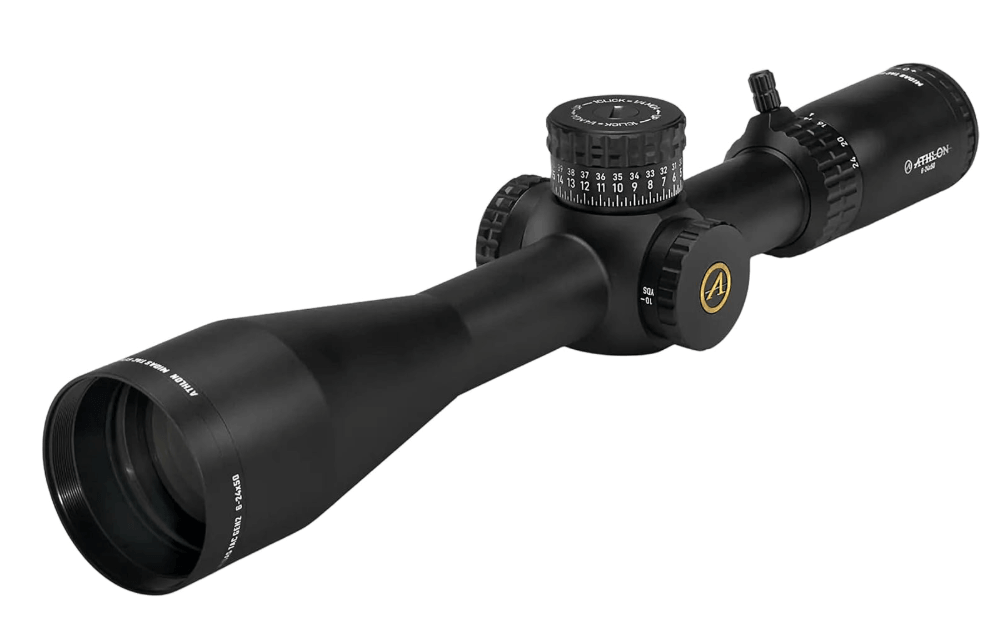
5. Athlon Optics Midas TAC 6-24×50
- Best For: Best Budget Precision
- Technical Specifications:
- Magnification: 6-24x
- Objective Lens: 50mm
- Tube Diameter: 30mm
- Turret Style: Capped Windage & Locking Elevation
- Elevation Travel: 25 MRAD
This highly affordable target scope delivers high-end internal tracking security without demanding a premium retail price. Specifically, the engineers utilized a smart hybrid approach by placing a secure lock on elevation while fully capping windage. This configuration makes total sense because windage adjustments are rarely dialed continuously in standard field shooting scenarios. The elevation turret features a crisp push-pull locking ring that functions with complete mechanical authority.
Furthermore, the extra-low dispersion glass reduces purple fringing remarkably well when viewing highly reflective targets at full 24x power. Therefore, this model represents a spectacular value choice for newer precision marksmen building up their gear. If you are specifically setting up a versatile, budget-friendly rifle platform, you can also explore our field-tested guide on the Best Scopes for Howa 1500 Bolt Action to compare your options.
- Pros:
- Unbeatable mechanical value for the price point
- Smart hybrid layout protects both tracking axes
- Highly dependable internal zero stop mechanism
- Cons:
- Windage dial lacks an external locking button
- Image brightness degrades slightly at full power
Comprehensive Buying Guide
Mechanical Logic Behind Locking Turret Pillars
Selecting the ideal locking turret scope requires looking past superficial marketing labels to analyze the actual internal locking engineering. Specifically, different mechanical designs offer vastly distinct trade-offs regarding physical speed, ultimate security, and overall field durability.
Push-Pull Sleeve Mechanisms
The push-pull locking turret sleeve is currently the most popular design utilized in modern tactical rifle optics. Specifically, the outer turret cap slides vertically along the central internal splines to engage or disengage the locking teeth. Pushing the cap downward firmly binds the external sleeve against the stationary base ring of the scope chassis. Consequently, the turret cannot rotate even a fraction of a click from external physical forces. Furthermore, this style allows for incredibly rapid field manipulation because you do not have to search for tiny buttons. You simply pop the entire turret upward, dial your required distance holdover, and snap it down to lock it.
Push-Button and Detent Systems
Conversely, push-button locking systems utilize a spring-loaded mechanical pin that locks directly into a matching base recess. For instance, the Leupold CDS-ZL2 system uses a tiny button located directly on the outer edge of the dial face. The turret remains entirely immovable until your thumb presses this button flat against the turret wall. Therefore, this system offers the highest level of absolute security against brushing up against dense vegetation. Additionally, these designs allow manufacturers to keep the turrets exceptionally low-profile, which minimizes rifle snag hazards during field transport.
Evaluating Housing Engineering and Ergonomics
Knurling Architecture and Environmental Grip
The physical texture cut into your aluminum turret caps dictates how well you can operate your scope during adverse weather. Specifically, fine, shallow serrations often become incredibly slick when covered in freezing rain or mud. Choosing an optic with aggressive, deeply machined knurling ensures you maintain a solid purchase on the dials. This engineering factor is furthermore crucial when shooting while wearing heavy neoprene or leather hunting gloves. If the knurling is poorly executed, unlocking and turning the dials becomes a frustrating chore that slows down your shot.
Internal Spline Wear and Material Selection
High-end locking scopes utilize hardened brass, stainless steel, or anodized aircraft-grade aluminum for their internal locking splines. Specifically, these premium metals resist rounding off after thousands of locking engagements over a lifetime of shooting. Cheaper scopes occasionally substitute molded plastics or soft alloys within their locking collars to minimize production costs. As a result, those budget mechanisms can wear down quickly under heavy recoil or rough handling. Ensuring your selected scope utilizes rugged metal-on-metal locking contact surfaces guarantees long-term durability and perfect zero retention.
FAQs
1. Can a locking turret completely replace a traditional capped turret?
Yes, a locking turret completely replaces a capped turret while offering significantly faster field accessibility. Specifically, capped turrets require you to physically unscrew and store an aluminum cap before making any adjustments. A locking turret eliminates this slow step entirely by utilizing internal mechanical blocks that unlock instantly with a simple press or pull.
2. Do locking turrets affect the overall tracking accuracy of the scope?
Locking turrets do not negatively affect tracking accuracy because the locking components sit completely exterior to the internal erector system. Specifically, the lock merely acts as a physical brake on the outer dial wheel. Therefore, the internal tracking gears and click detents remain perfectly precise and uncompromised by the addition of the locking mechanism.
3. Are push-pull locking turrets completely water-resistant?
High-quality push-pull locking turrets are fully waterproofed using specialized internal rubber O-rings located beneath the moving sleeve. Consequently, moisture cannot penetrate into the tracking gears when the turret is lifted into the unlocked position. However, it is always best practice to keep the turrets snapped down into their locked position during active downpours.
Conclusion
Securing your rifle’s zero against accidental field adjustments is paramount for ensuring consistent, humane hits at any distance. Specifically, advanced systems like the Vortex Razor HD Gen III provide top-tier, dual-axis locking control for rigorous precision competitions. Conversely, streamlined systems like the Leupold VX-5HD offer hunters an incredibly lightweight, low-profile configuration that excels in heavy brush. If you require a highly economical setup that refuses to compromise on mechanical integrity, options like the Athlon Midas TAC provide spectacular field security. Ultimately, investing in a robust locking turret system provides absolute peace of mind whenever you deploy your rifle setup.