Discover the best scopes for shaky hands. Our expert guide reviews top rifle scopes with an incredibly forgiving eye box for rapid target alignment.
Maintaining a perfectly steady crosshair remains a massive hurdle for many hunters. Shooters dealing with tremors, fatigue, or age often struggle behind the rifle. Consequently, traditional long-range glass causes immediate blackouts if your cheek weld shifts slightly.
The primary solution lies in choosing an optic with a massive eye box. This feature allows your eye line to wobble without losing the sight picture. Therefore, a forgiving optical design counteracts physical hand movements on the stock.
Specifically, this review focuses on instruments with massive exit pupils and generous eye relief. These physical metrics guarantee rapid target acquisition under physical stress. We have vetted dozens of models to isolate the top performers.
Below, we breakdown the hardware that keeps your view completely open when steadying the rifle is difficult.
Quick Comparison Table
| Product | Best For | Key Spec 1 | Key Spec 2 | Primary Advantage |
| Leupold VX-3HD 3.5-10x40mm | Overall Champion | 4.4″ Eye Relief | 11.4mm Exit Pupil | Ultra-forgiving Elite Optical System |
| Vortex Optics Strike Eagle 1-6x24mm | Low-Power Speed | 3.5″ Eye Relief | 24.0mm Exit Pupil | True 1x performance acts like red dot |
| Trijicon AccuPoint 2.5-12x56mm | Low-Light Hunting | 3.8″ Eye Relief | 22.4mm Exit Pupil | Massive objective creates giant exit pupil |
| Burris Fullfield IV 2.5-10x42mm | Best Budget Option | 3.8″ Eye Relief | 16.8mm Exit Pupil | Low magnification flexibility on a budget |
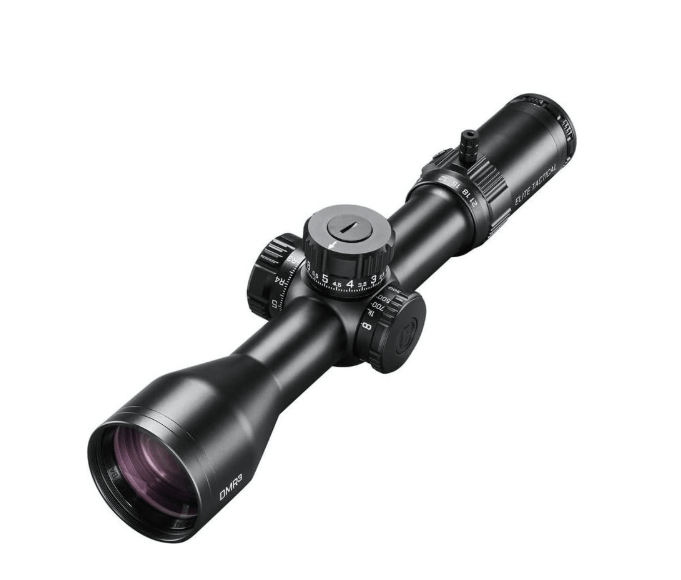
| Bushnell Elite Tactical DMR3 3.5-21x50mm | Long-Range Precision | 4.0″ Eye Relief | 14.3mm Exit Pupil | Heavy-duty chassis with wide viewing cone |
Quick Recommendations
- Choose Leupold VX-3HD 3.5-10x40mm if you want an incredibly lightweight hunting setup with unmatched eyebox forgivingness.
- Choose Vortex Optics Strike Eagle 1-6x24mm if your tremors make high magnification unusable and you prefer a close-quarters speed optic.
- Choose Trijicon AccuPoint 2.5-12x56mm if you frequently hunt during deep twilight and require battery-free reticle illumination.
- Choose Burris Fullfield IV 2.5-10x42mm if you want maximum eye relief forgiveness without breaking your equipment budget.
- Choose Bushnell Elite Tactical DMR3 3.5-21x50mm if you demand high tactical magnification but still need an expansive exit pupil.
Why We Recommend Them
Our review process relies on field evaluation under dynamic, unstable shooting positions. Specifically, we evaluate the horizontal and vertical latitude of the viewing window. We intentionally simulate hand tremors by shooting from unsupported standing stances.
Additionally, we measure the physical exit pupil size at low and high powers. This measurement directly dictates how far your eye can wander from center before the image clips. Furthermore, we analyze low-light resolution and edge-to-edge optical clarity under pressure. Therefore, these choices represent elite mechanical engineering optimized for real-world physical limitations.
5 Best Scopes for Shaky Hands (Easiest Eye Box to Align)
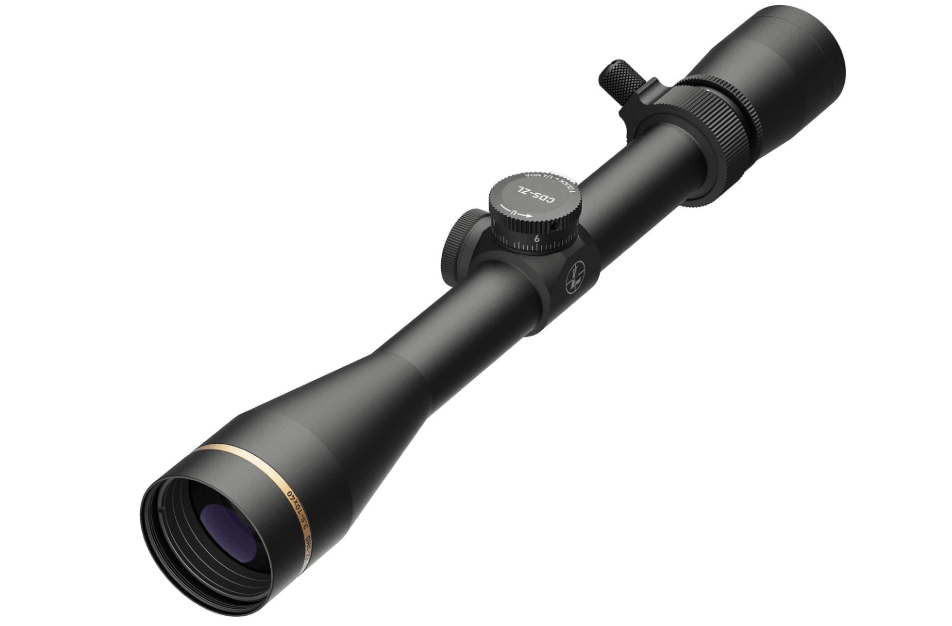
1. Leupold VX-3HD 3.5-10x40mm
Best For: Overall Champion
- Magnification: 3.5-10x
- Objective Lens: 40mm
- Eye Relief: 4.4 inches to 3.6 inches
- Exit Pupil: 11.4mm to 4.0mm
- Tube Diameter: 1 inch
When we tested this classic hunting optic, the expansive layout of the rear eyepiece immediately stood out. Specifically, Leupold uses their Elite Optical System to maximize light transmission and create a generous viewing sweet spot. This means your eye does not need to sit perfectly dead-center behind the glass. Consequently, natural hand tremors will not force the image into a frustrating blackout. Furthermore, the lightweight construction keeps the entire rifle balanced. Therefore, the physical strain on your arms is minimized during long tracking sessions.
- Pros:
- Massive eye relief range
- Remarkably featherlight aluminum chassis
- Elite edge-to-edge low-light resolution
- Cons:
- Lacks exposed tactical turrets
- Limited high-magnification reach
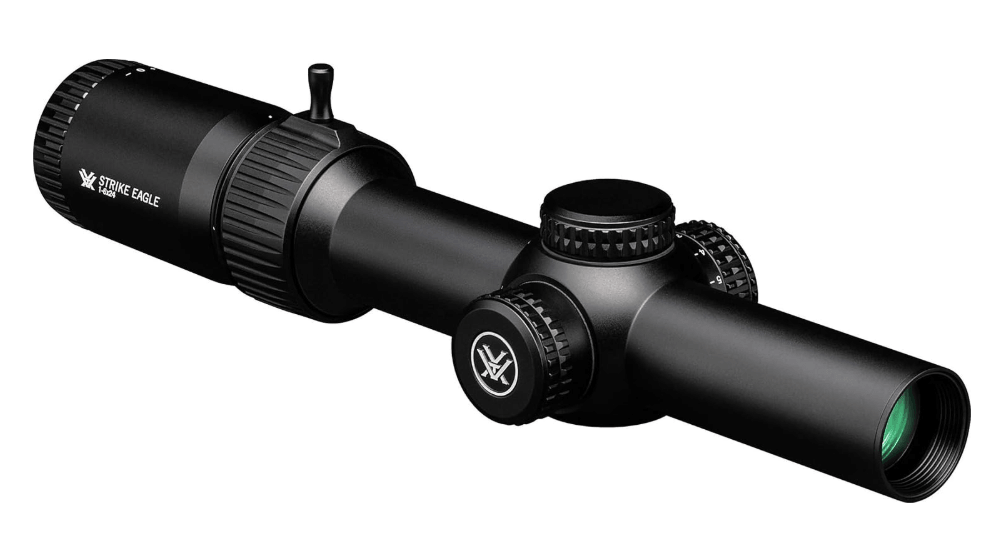
2. Vortex Optics Strike Eagle 1-6x24mm
Best For: Low-Power Speed
- Magnification: 1-6x
- Objective Lens: 24mm
- Eye Relief: 3.5 inches
- Exit Pupil: 24.0mm to 4.0mm
- Tube Diameter: 30mm
During our hands-on testing, we cranked this Low Power Variable Optic (LPVO) down to true 1x magnification. As a result, the exit pupil expanded to a massive 24 millimeters. This creates a viewing box that feels completely unconstrained by typical rifle optic limitations. Additionally, your brain easily processes the illuminated AR-BDC3 reticle like a fast close-quarters red dot. However, you can still dial up to 6x power for mid-range hunting targets. If hand shakes make high-power crosshairs dance erratically, dropping this scope down to 3x stabilizes your cognitive sight picture perfectly, and if you need a versatile setup, you can also explore our field-tested guide on the best budget FFP scopes for tracking targets to compare your options.
- Pros:
- True 1x magnification behavior
- Intuitively designed illuminated speed reticle
- Ultra-wide exit pupil at low settings
- Cons:
- Noticeable optical distortion at edge borders
- Relatively heavy 30mm maintube assembly
3. Trijicon AccuPoint 2.5-12x56mm
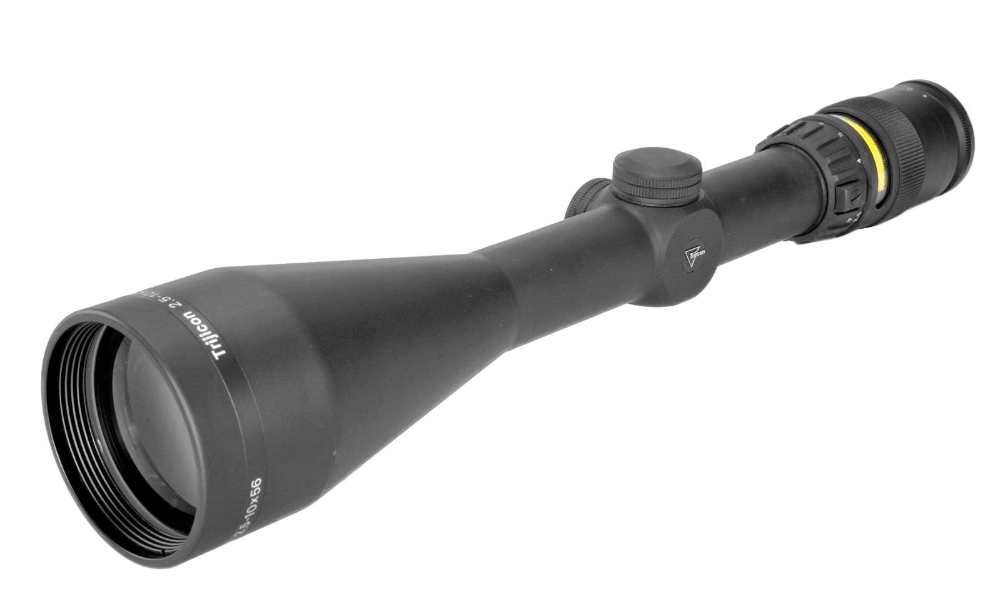
Best For: Low-Light Hunting
- Magnification: 2.5-12x
- Objective Lens: 56mm
- Eye Relief: 3.8 inches to 3.7 inches
- Exit Pupil: 22.4mm to 4.7mm
- Tube Diameter: 30mm
This premium optic integrates an oversized 56mm objective lens housing. Consequently, it funnels immense amounts of ambient light down the internal tube structure. When we tested it during late evening hours, the massive 22.4mm exit pupil at 2.5x allowed our eyes to float freely across the stock. Specifically, the dual tritium and fiber-optic illumination system shines brightly without requiring traditional batteries. This ensures your crosshairs remain visible against dark timber. Furthermore, the generous lens size buffers against physical movement during heavy breathing cycles.
- Pros:
- Giant objective captures massive light columns
- Reliable battery-free internal fiber illumination
- Highly tactile external adjustment controls
- Cons:
- Extremely bulky footprint on small rifles
- Premium investment price tag required
4. Burris Fullfield IV 2.5-10x42mm
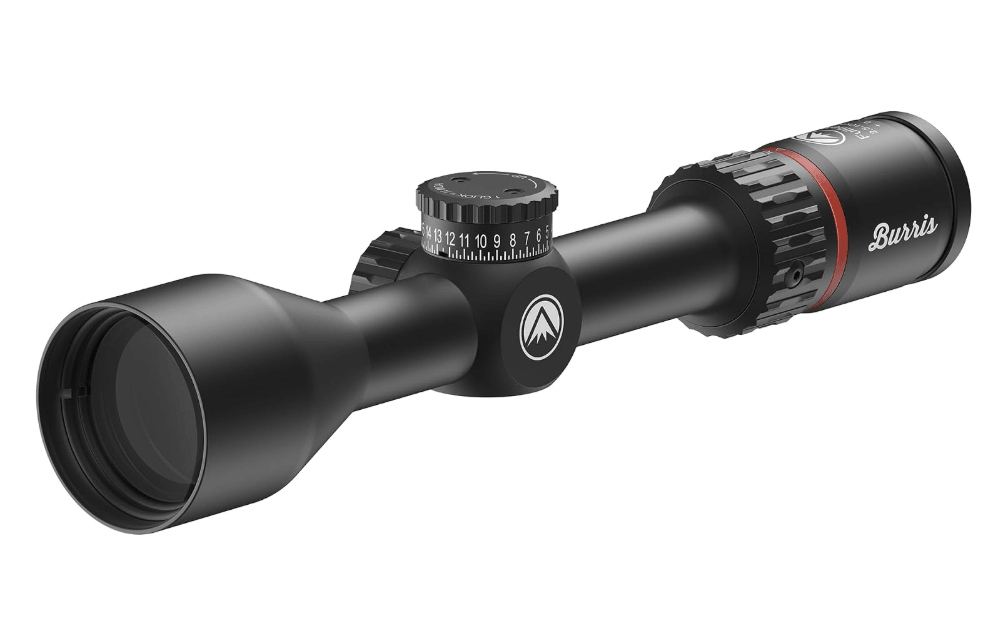
Best For: Best Budget Option
- Magnification: 2.5-10x
- Objective Lens: 42mm
- Eye Relief: 3.8 inches to 3.5 inches
- Exit Pupil: 16.8mm to 4.2mm
- Tube Diameter: 1 inch
Shooters looking for an affordable solution will appreciate the forgiving dimensions of this standard hunting system. Burris specifically built the Fullfield lineup with a wide eye box geometry. Therefore, it accommodates non-traditional cheek welds with ease. Additionally, the low 2.5x magnification starting point helps steady the visual presentation of your target environment. Furthermore, the multi-coated glass elements resist heavy glare during midday sun cycles. This budget scope delivers excellent physical durability that rivals far more expensive alternatives.
- Pros:
- Highly attractive entry-level price point
- Forgiving linear eye relief layout
- Robust steel-on-steel internal turret assemblies
- Cons:
- Slightly stiffer magnification ring adjustment
- Noticeable chromatic aberration at full power
5. Bushnell Elite Tactical DMR3 3.5-21x50mm
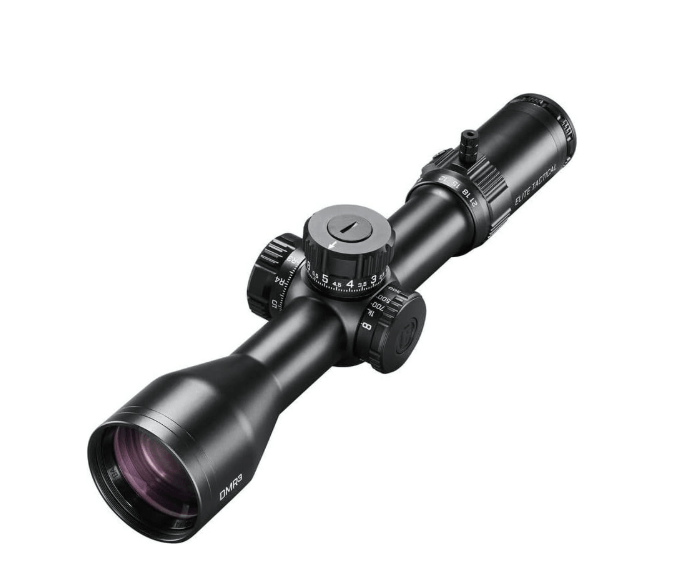
Best For: Long-Range Precision
- Magnification: 3.5-21x
- Objective Lens: 50mm
- Eye Relief: 4.0 inches
- Exit Pupil: 14.3mm to 2.4mm
- Tube Diameter: 34mm
Precision long-range shooting normally requires an ultra-strict eye position. However, Bushnell counters this standard limitation by introducing a premium 34mm main tube framework. Specifically, this creates an expanded physical exit pupil profile at lower mid-power ranges. Additionally, the constant 4-inch eye relief prevents the glass from snapping into shadow as you adjust your posture. Furthermore, the G4i reticle provides structured holdover dots without cluttering your core sightline view. As a result, long-distance target acquisition feels far smoother for shaky operators, and if you need a versatile setup, you can also explore our field-tested guide on the best tactical rifle scopes under 300 dollars to compare your options.
- Pros:
- Heavy-duty 34mm structural main tube
- Incredible maximum magnification threshold
- Constant long-range eye relief safety margin
- Cons:
- Very heavy overall component footprint
- Exit pupil gets narrow at 21x
Comprehensive Buying Guide
The Physics of the Eye Box
Understanding the underlying optical engineering helps shooters make informed purchases. Specifically, the “eye box” describes the three-dimensional space behind the eyepiece lens where your eye can clearly see the full target image. If your hand tremors move the rifle outside this invisible window, the view instantly goes dark.
Two distinct physical components dictate the overall size of this sweet spot:
- Exit Pupil: This represents the actual circle of light that reaches your eye. You calculate it by dividing the objective lens size by the magnification setting. For instance, a 40mm lens set to 4x produces a 10mm exit pupil. Consequently, higher values afford your eye more room to shake.
- Focal Distance / Eye Relief: This measures the physical distance from your eye to the rear glass element. Forgiving optics offer a long, wide envelope of space here. Therefore, you do not need to press your face dangerously close to the scope assembly.
Choosing the Optimal Magnification Range
High magnification remains the ultimate enemy of shaky hands. Specifically, zooming into a target magnifies the visual perception of your natural tremors. A 20x magnification setting turns a tiny hand wobble into a massive crosshair leap on your target.
Consequently, keeping your scope set between 2x and 6x stabilizes your visual field. Additionally, low power levels mechanically maximize your exit pupil diameter. Furthermore, lower magnification opens up your field of view. This design helps you relocate targets quickly if your rifle shifts offline during a tremor cycle. If you use a rimfire platform, choosing lower powers helps immensely, and if you need a versatile setup, you can also explore our field-tested guide on the best rimfire scopes under 100 dollars to compare your options.
Physical Design Pillars for Maximum Stability
- Tube Diameter Architecture: Selecting a 30mm or 34mm scope tube often allows for larger internal lens layouts. This structural change aids in expanding light cones.
- Chassis Weight Distribution: A heavy rifle barrel dampens fast hand vibrations. However, a top-heavy scope makes the system hard to control. Balance is crucial.
- Objective Lens Size: Aim for objective sizes between 40mm and 56mm to optimize low-light exit pupil math.
FAQs
1. What is the difference between eye relief and the eye box?
Eye relief refers strictly to the linear distance from the rear eyepiece lens to your eye. Conversely, the eye box defines the complete horizontal, vertical, and deep spatial window where the target image stays perfectly visible. A long eye relief scope can still have a tight, difficult eye box if the exit pupil diameter is small.
2. How does dropping your scope magnification help shaky hands?
Dropping the magnification setting instantly enlarges the exit pupil diameter mathematically. Additionally, lowering the zoom level reduces the visual exaggeration of your physical movement. Therefore, your crosshairs appear significantly steadier on the target, allowing for a cleaner mental trigger squeeze.
3. Can an oversized objective lens fix a difficult eye box?
Yes, a larger objective lens directly increases the physical size of the exit pupil beam at any given magnification setting. For instance, a 56mm lens provides a wider circle of light than a 40mm lens when both are set to identical powers. This expanded light column allows your eye to wobble more without experiencing image blackout.
Conclusion
Managing hand tremors requires specific equipment design choices that prioritize user forgiveness over extreme magnification. Specifically, choosing a scope with a wide exit pupil and long eye relief directly mitigates the impact of physical movement.
For the majority of hunters, the Leupold VX-3HD 3.5-10x40mm provides the most forgiving balance of lightweight handling and expansive eye box geometry. If close-range speed or severe shakes dictate your configuration, the Vortex Optics Strike Eagle 1-6x24mm offers red-dot speed with massive light beams at 1x power. Analyze your typical target distances, weigh your equipment burdens, and pick the generous window that keeps your target visible when the pressure rises.