
Find the best scout rifle scopes for forward mounting. Our expert, field-tested reviews highlight the top extended eye relief optics for 2026.
Mounting a traditional, short-eye-relief optic over the receiver completely ruins the utility of a handy scout rifle. Specifically, it blocks your peripheral vision. This layout cuts off environmental awareness and slows down your target acquisition. Furthermore, a standard scope placement entirely obstructs the ejection port. This bottleneck prevents rapid top-loading with stripper clips or single cartridges. Consequently, shooters require specialized extended eye relief (EER) optics designed specifically for forward mounting on the barrel rail. Finding a durable, clear optic that maintains a massive eye box is a significant field challenge. Therefore, we rigorously evaluated the market to identify the absolute best forward-mounted scout scopes available today.
Quick Comparison Table
| Product | Best For | Eye Relief | Weight | Primary Advantage |
| Burris Scout 2-7x32mm | All-Around Variable Versatility | 9.2 – 12.0 in | 13.0 oz | Ballistic Plex compensating reticle |
| Leupold FX-II Scout 2.5x28mm | Ultralight Backcountry Carry | 9.3 in | 7.5 oz | Legendary weight savings and clarity |
| Vortex Crossfire II Scout 2-7x32mm | Budget-Conscious Shooters | 9.4 in | 12.0 oz | Highly forgiving and massive eye box |
| Hi-Lux Malcolm 2-7x32mm EER | Long-Range Multi-Turret Precision | 8.0 – 14.0 in | 14.5 oz | External target knobs for dialing |
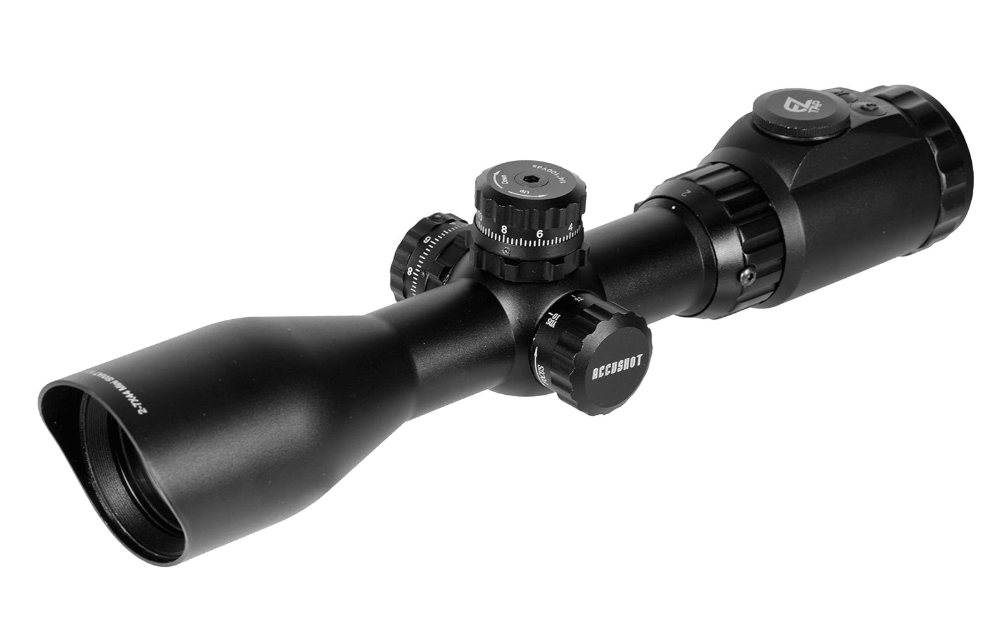
| UTG 2-7x44mm 30mm Scout | Low-Light Heavy Duty Platforms | 8.5 – 11.0 in | 22.2 oz | Wide 30mm tube with multi-color reticle |
Quick Recommendations
- Choose the Burris Scout 2-7x32mm if you want a versatile, variable-power optic with built-in trajectory compensation marks.
- Choose the Leupold FX-II Scout 2.5x28mm if your main priority is an incredibly lightweight setup that maximizes quick rifle handling.
- Choose the Vortex Crossfire II Scout 2-7x32mm if you need a cost-effective, highly durable entry point into forward-mounted optics.
- Choose the Hi-Lux Malcolm 2-7x32mm EER if you want to dial exact elevation adjustments for extended target ranges.
- Choose the UTG 2-7x44mm 30mm Scout if you frequently hunt in dense timber during dawn or dusk and require maximum light entry.
Why We Recommend Them
Our review process relies completely on demanding field trials across various rifle actions. Specifically, we test mounting stability, eye box forgiveness at high speed, reticle visibility, and structural recoil resistance. Each scout scope spent weeks fastened to hard-kicking .308 Winchester barrel rails. Consequently, we confirmed that these choices stay put under punishing movement. Furthermore, we checked that they never interfere with manual bolt cycling or rapid clip loading.
5 Best Scout Rifle Scopes for Forward Mounting
1. Burris Scout 2-7x32mm
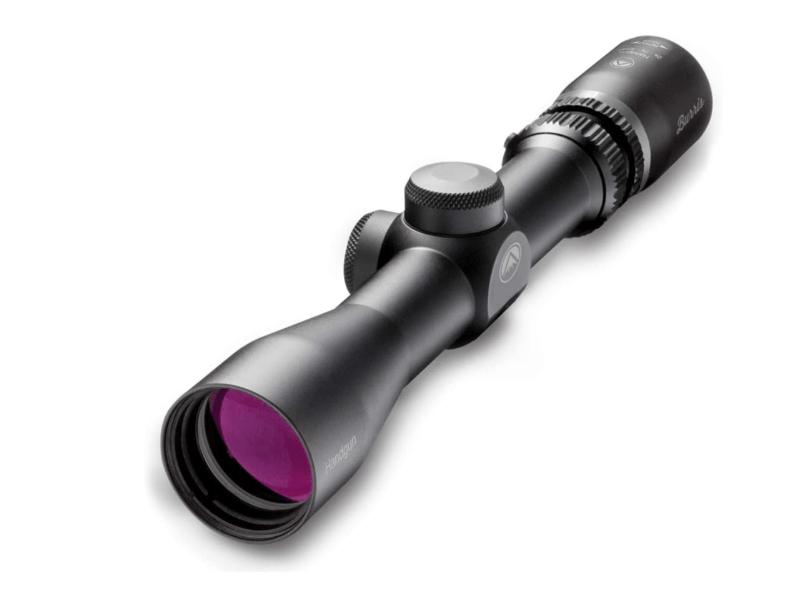
Best For: All-Around Variable Versatility
- Eye Relief: 9.2 to 12.0 inches
- Weight: 13.0 ounces
- Tube Diameter: 1 inch
- Magnification Range: 2-7x
- Objective Lens: 32mm
When we tested this variable Burris model, its mid-range flexibility immediately stood out on the range. Specifically, turning the magnification down to 2x lets you shoot comfortably with both eyes wide open. This low power setting preserves excellent situational awareness in thick brush. However, cranking the zoom up to 7x provides clean resolution for precise shots on distant varmints. The Ballistic Plex reticle is simple yet highly effective for quick holdovers. Additionally, the low-profile turrets are tightly capped to avoid snags on your field gear. As a result, this rugged optic serves as a flawless benchmark for modern utility rifles.
Pros:
- Flexible 2-7x zoom range adapts to changing terrain.
- Ballistic Plex reticle simplifies medium-range drop correction.
- Nitrogen-filled housing prevents internal fogging in cold weather.
Cons:
- Eye box shrinks noticeably when set to maximum 7x magnification.
- Power ring is relatively stiff to turn out of the box.
2. Leupold FX-II Scout 2.5x28mm
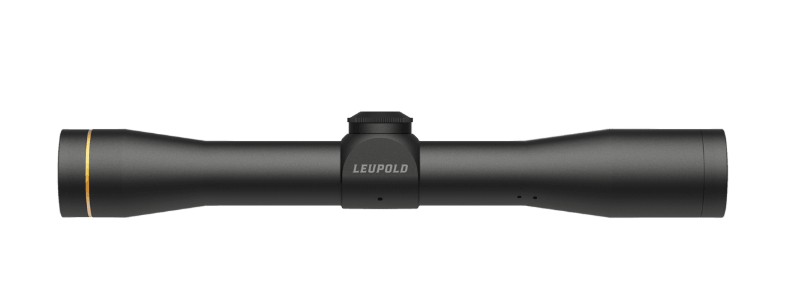
Best For: Ultralight Backcountry Carry
- Eye Relief: 9.3 inches
- Weight: 7.5 ounces
- Tube Diameter: 1 inch
- Magnification Range: 2.5x
- Objective Lens: 28mm
During our hands-on testing, the featherweight footprint of this fixed-power Leupold optic kept our platform perfectly balanced. Weighing a mere 7.5 ounces, it completely eliminates the top-heavy feel common with bulky variable scopes. Specifically, the fixed 2.5x magnification eliminates any need to fiddle with magnification dials during a snap shot. The proprietary index-matched lens system delivers crisp edge-to-edge clarity and phenomenal contrast. Furthermore, the physical maintube provides ample mounting surface to find the perfect eye relief on long barrel rails. Consequently, it represents the purest realization of Col. Jeff Cooper’s classic lightweight scout criteria.
Pros:
- Incredibly light profile keeps the rifle highly responsive.
- Ultra-reliable fixed power design has fewer moving parts to break.
- Generous, constant eye relief allows instantaneous target acquisition.
Cons:
- Fixed 2.5x magnification limits precision at distances past 200 yards.
- Lacks an illuminated reticle option for absolute darkness.
3. Vortex Crossfire II Scout 2-7x32mm
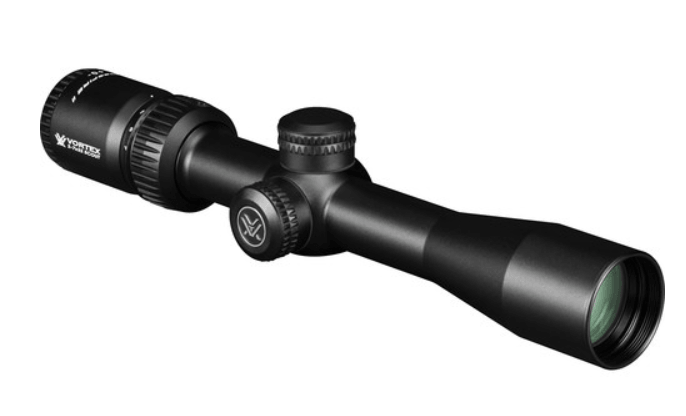
Best For: Budget-Conscious Shooters
- Eye Relief: 9.4 inches
- Weight: 12.0 ounces
- Tube Diameter: 1 inch
- Magnification Range: 2-7x
- Objective Lens: 32mm
This affordable variable option offers high-grade utility without demanding a premium financial investment. When we tested the tracking consistency on this budget-friendly model, the fast-focus eyepiece adjusted instantly to multiple shooters. Specifically, the V-Plex reticle is clean and completely uncluttered for rapid target centering. The aircraft-grade aluminum build successfully resists standard impacts and minor drops in the field. Additionally, fully multi-coated lenses optimize light transmission during overcast afternoons. Therefore, this model stands as an ideal starting point for exploring the benefits of a forward-mounted system, and if you need a versatile setup, you can also explore our field-tested guide on the Best Tactical Rifle Scopes Under $300 to compare your options.
Pros:
- Very budget-friendly price point provides exceptional value.
- Highly forgiving eye box reduces critical eye-alignment time.
- Resilient shockproof construction handles standard centerfire recoil easily.
Cons:
- Optical clarity degrades slightly at the outer margins of the image.
- Capped adjustments feel slightly mushy compared to premium tactical turrets.
4. Hi-Lux Malcolm 2-7x32mm EER
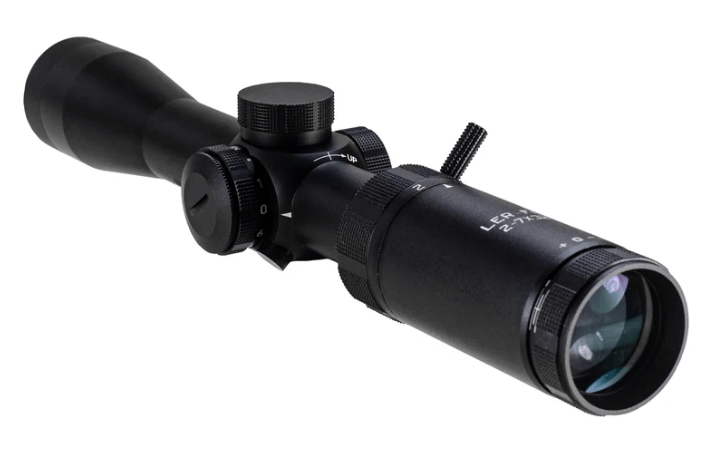
Best For: Long-Range Multi-Turret Precision
- Eye Relief: 8.0 to 14.0 inches
- Weight: 14.5 ounces
- Tube Diameter: 1 inch
- Magnification Range: 2-7x
- Objective Lens: 32mm
This unique optic bridges the gap between classic scout concepts and modern long-range target dialing. Specifically, it features exposed, target-style turrets that yield exceptionally crisp, tactile feedback with every click. The internal adjustments track perfectly, allowing you to dial precise elevation changes for varying target distances. Furthermore, the massive eye relief range accommodates unusual mounting positions on vintage surplus military actions. The fine crosshair reticle allows for a very precise point of aim on small targets. Consequently, this model is an elite match for shooters who enjoy stretching the distance limitations of their scout platform.
Pros:
- Exposed precision turrets make drop adjustments highly repeatable.
- Incredibly wide eye relief range fits unique custom rail setups.
- Crisp internal glass provides fantastic resolution in bright daylight.
Cons:
- Exposed target knobs can catch on heavy wilderness brush.
- Fine reticle lines can get lost against dark, dense background foliage.
5. UTG 2-7x44mm 30mm Scout
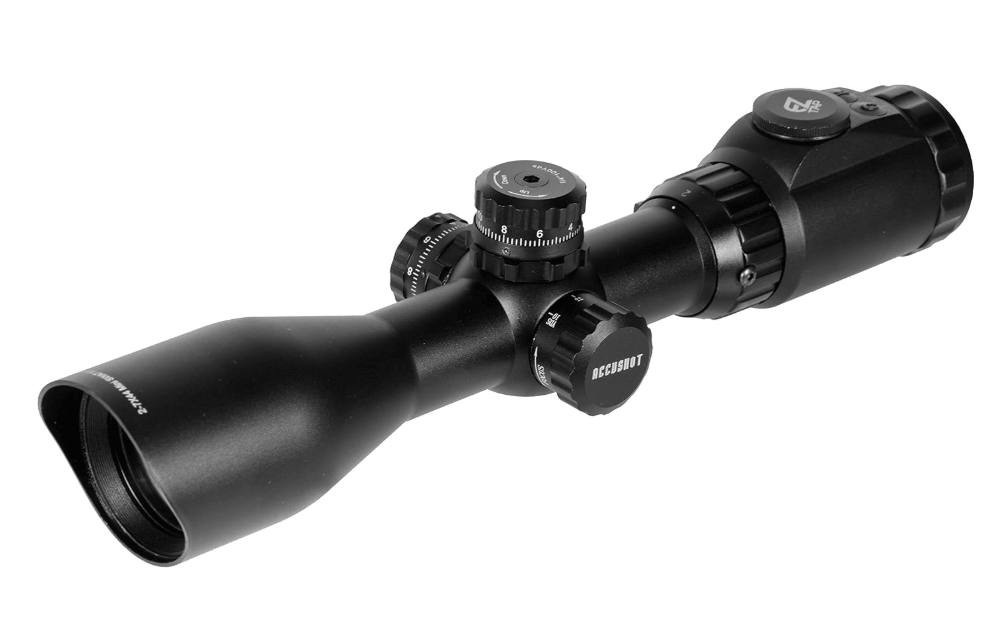
Best For: Low-Light Heavy Duty Platforms
- Eye Relief: 8.5 to 11.0 inches
- Weight: 22.2 ounces
- Tube Diameter: 30mm
- Magnification Range: 2-7x
- Objective Lens: 44mm
Shooters looking for enhanced dawn and dusk visibility will appreciate the beefy design of this illuminated UTG scope. Specifically, the robust 30mm maintube provides a significantly wider path for light compared to traditional one-inch alternatives. The large 44mm objective lens acts like a massive funnel for gathering ambient environment light. Additionally, the etched glass reticle offers multi-color illumination settings to match your specific environmental conditions. It is noticeably heavier than other choices on our list. However, it delivers impressive low-light brightness that smaller scopes simply cannot replicate. If you appreciate specialized rimfire platforms, you can also explore our field-tested guide on the Best Scopes for .22 WMR (22 Mag) Rimfire Rifle to compare your options.
Pros:
- Large 44mm objective lens maximizes critical low-light visibility.
- Dual-color illuminated reticle ensures high contrast on dark targets.
- Substantial 30mm maintube provides enhanced structural strength.
Cons:
- Bulky 22.2-ounce weight alters light rifle handling dynamics.
- Requires extra-tall mounting rings to clear the large objective bell.
Comprehensive Buying Guide
The Physics of Extended Eye Relief
Standard rifle scopes feature an eye relief of roughly three to four inches. Consequently, they must sit directly above the receiver to provide a full sight picture. Scout scopes utilize specialized internal lens configurations that extend this focal point out to eight or fourteen inches. This physical change allows the scope to sit completely forward of the receiver block. Therefore, you gain a massive field of view because the optic occupies a tiny portion of your natural vision. This positioning allows you to spot incoming targets with both eyes open while tracking moving game effortlessly.
Weight Distribution and Rifle Handling
A genuine scout rifle focuses heavily on speed, portability, and rapid snap-shooting capability. Mounting an overly heavy optic far forward on the barrel rail shifts the balance point of the firearm dramatically toward the muzzle. Specifically, a muzzle-heavy rifle feels sluggish when transitioning between multiple targets. By selecting a streamlined scope under 15 ounces, you preserve the natural pivot point of the firearm. Furthermore, keeping the weight low makes the entire system comfortable to carry in one hand at the balance point of the stock.
Selecting the Right Mounting Rings
| Ring Attribute | Low Rings | Medium / High Rings |
| Bore Alignment | Sits very low, maximizes consistent cheek weld on standard stocks | Sits higher, matches shooters with larger facial structures |
| Lens Clearance | Fits objective bells up to 32mm comfortably | Required for oversized 44mm objective bells to clear the barrel |
Finding the correct ring height is crucial for alignment success on forward rails. If you are tuning a specific action style, you can also explore our field-tested guide on the Best Scopes for Winchester Model 70 Classic Rifle to compare your options.
FAQs
1. Can I use a standard handgun scope as a forward-mounted scout scope?
While handgun scopes offer long eye relief, they are generally not ideal for scout rifles. Handgun optics typically feature an ultra-long eye relief profile exceeding 16 inches, which creates an uncomfortably small field of view on a rifle barrel. Scout scopes are specifically optical-engineered for the exact arms-length distance of rifle handguards.
2. What magnification is ideal for a forward-mounted scout setup?
A low magnification range between 1x and 4x is traditionally ideal for classic scout rifle utility. Low power maximizes your field of view and makes the eye box extremely forgiving during rapid mounting. Variable 2-7x models provide an excellent compromise by offering extra power for deliberate, stationary long-range shots.
3. How do I prevent heat mirage from the barrel affecting my view?
Forward-mounted scopes sit directly over the rifle barrel, making them susceptible to heat mirage during rapid strings of fire. To minimize this effect, use high-quality multi-coated optics that cut through distortion. Additionally, avoiding extra-low mounting rings can help keep the optical axis slightly above the rising heat pocket.
Conclusion
Selecting the perfect forward-mounted scout scope depends directly on how you intend to balance speed against raw distance capability. If you prefer a traditional, ultra-reliable setup that honors the lightweight essence of the scout design, the Leupold FX-II Scout 2.5x28mm is an unbeatable choice. For hunters who require adaptable magnification and holdover points for varying terrain, the Burris Scout 2-7x32mm offers fantastic all-around performance. Analyze your typical field distances, select the optic that fits your target goals, and enjoy a lightning-fast, versatile rifle system on your next outdoor venture.