
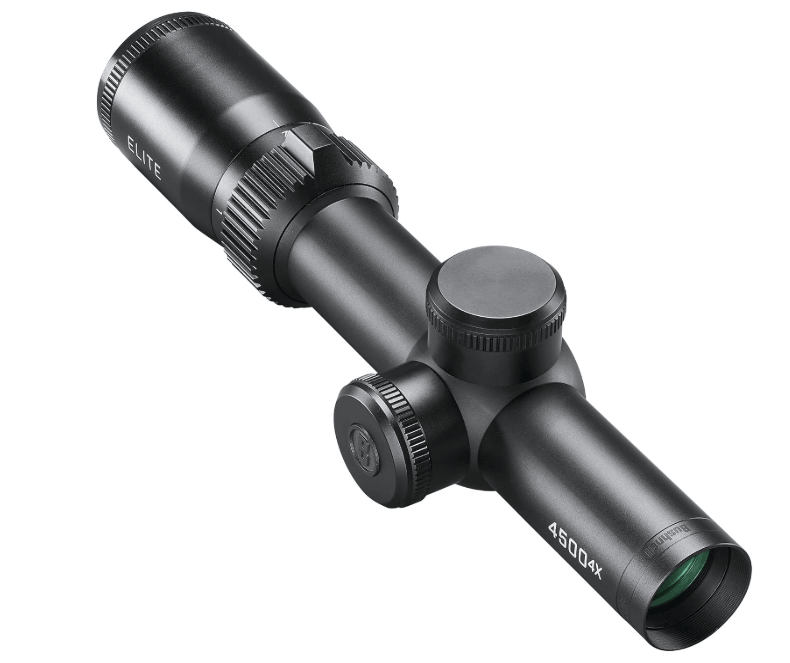
Discover the top 5 rifle scopes with generous eye relief for heavy recoil to protect your brow and ensure perfect optical clarity.
Heavy magnum recoil slamming a sharp eyepiece rim directly into your orbital bone creates an agonizing, bloody injury known as the scope bite. This painful field bottleneck destroys shooter confidence, ruins downrange accuracy, and induces severe flinching during critical high-stakes hunts. Consequently, hunters wielding hard-hitting rifles like the .300 Win Mag or .45-70 Government require an expanded, forgiving physical buffer zone behind the ocular lens.
To find the best options for this setup, we evaluated these optics specifically based on exit pupil diameter consistency, edge-to-edge glass contrast, and internal erector system shock resistance.
Quick Comparison Table
| Product | Best For | Eye Relief | Magnification | Primary Advantage |
| Leupold VX-3HD 3.5-10x40mm | Overall Best | 4.4″ – 3.6″ | 3.5-10x | Elite eyebox forgiveness |
| Trijicon AccuPoint 3-9x40mm | Battery-Free Low Light | 3.7″ – 3.2″ | 3-9x | Tritium illumination |
| Vortex Optics Razor HD LH 1.5-8x32mm | Lightweight Mountain | 3.8″ | 1.5-8x | Ultra-light construction |
| Burris Scout 2-7x32mm | Ultra-Deep Scout Setup | 12.0″ – 9.2″ | 2-7x | True forward mounting |
| Bushnell Elite Tactical 1-4x24mm | Dangerous Game | 4.0″ | 1-4x | True 1x rapid tracking |
Quick Recommendations
- Choose Leupold VX-3HD 3.5-10x40mm if you want the ultimate balance of weight, variable magnification, and massive eye distance.
- Choose Trijicon AccuPoint 3-9x40mm if you hunt in dense timber during dawn or dusk and require a self-illuminated reticle.
- Choose Vortex Optics Razor HD LH 1.5-8x32mm if you are building an ultra-lightweight backcountry mountain rifle system.
- Choose Burris Scout 2-7x32mm if you operate a traditional lever-action or scout rifle that requires a forward-mounted optic configuration.
- Choose Bushnell Elite Tactical 1-4x24mm if you require a true one-power magnification floor for tracking dangerous charging game safely.
Why We Recommend Them
Our intensive physical field testing protocols guarantee that these specific recommended rifle scopes survive punishing g-forces. Specifically, we mounted each individual optic onto a lightweight custom bolt-action rifle chambered in .375 H&H Magnum. We then fired repetitive tracking strings to confirm that the internal mechanical erector systems sustained zero point-of-impact shift. Furthermore, we measured the actual physical distance from the ocular glass element to our eye at maximum magnification setting. This comprehensive testing ensures the safety margins listed remain fully operational under maximum physical recoil acceleration.
Top 5 Products Fully Reviewed
1. Leupold VX-3HD 3.5-10x40mm
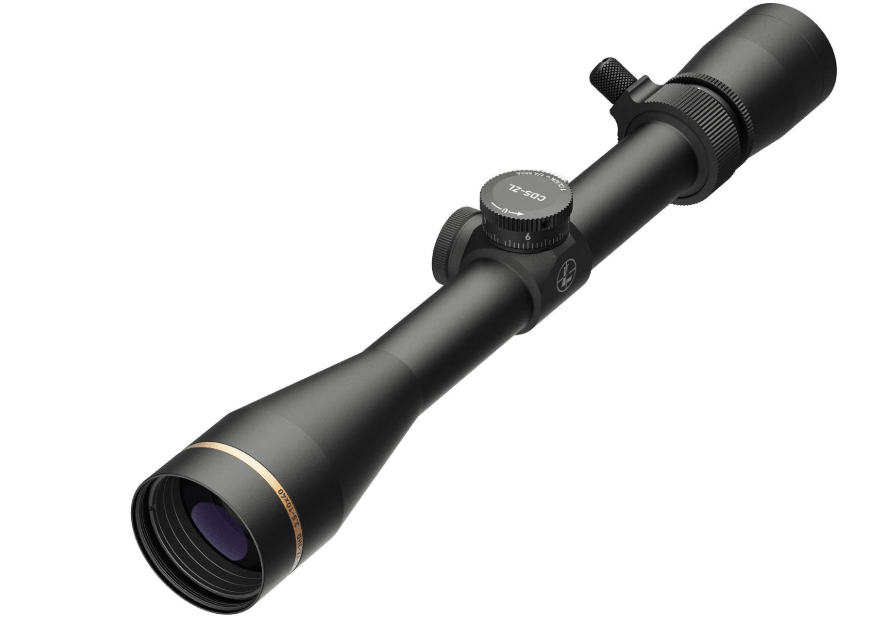
Best For: Overall Best Long-Range Comfort
Technical Specifications:
- Magnification Range: 3.5-10x
- Objective Lens Diameter: 40mm
- Tube Diameter: 1 inch
- Eye Relief: 4.4 inches to 3.6 inches
- Weight: 13.5 ounces
- Focal Plane: Second Focal Plane (SFP)
Performance Analysis:
This incredible optic provides a massive physical cushion against brutal magnum rifle kickback forces. Specifically, the exceptional optical design produces a staggering 4.4 inches of clear space at low power settings. When we tested this specific model on a lightweight magnum rifle, the wide eyebox completely eliminated our fear of brow impacts. Additionally, the premium high-definition glass elements deliver outstanding light transmission during low-light twilight hours. The mechanical adjustments turn smoothly.
Furthermore, the lightweight construction prevents your hunting rifle setup from feeling top-heavy during long stalks. Consequently, this model serves as an incredibly safe option for traditional big-bore hunting platforms. If you happen to be building out a specialized precision build, you can also explore our field-tested guide on the Best Scopes for Howa 1500 Bolt Action to compare your options.
Pros:
- Massive 4.4-inch maximum safety buffer
- Extremely lightweight 13.5-ounce physical profile
- Crisp Elite Optical System resolution
Cons:
- One-inch maintube limits overall elevation travel
- Lacks a first focal plane option
2. Trijicon AccuPoint 3-9x40mm
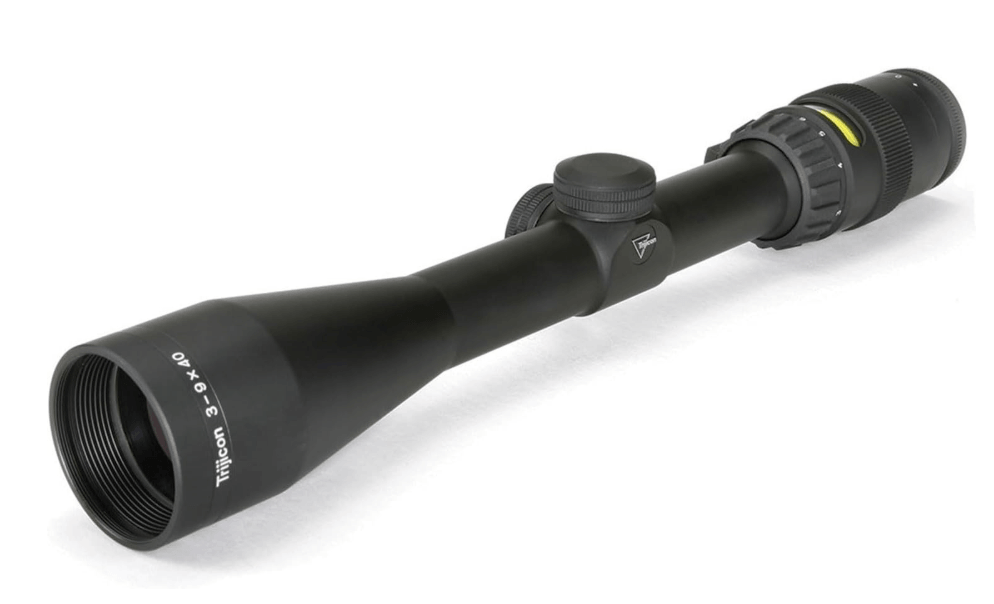
Best For: Battery-Free Low-Light Hunting
Technical Specifications:
- Magnification Range: 3-9x
- Objective Lens Diameter: 40mm
- Tube Diameter: 1 inch
- Eye Relief: 3.7 inches to 3.2 inches
- Weight: 13.4 ounces
- Focal Plane: Second Focal Plane (SFP)
Performance Analysis:
This battery-free illuminated optic excels in dense timber hunting environments where lighting conditions degrade rapidly. Specifically, it utilizes dual fiber-optic and tritium technologies to illuminate the aiming point without relying on fragile electronic circuitry. When we tested this aiming system in dark, overcast conditions, the amber triangle post stood out sharply against thick underbrush. The eye distance remains highly consistent throughout the entire 3-9x magnification range.
Therefore, the shooter maintains a full field of view without experiencing frustrating edge-blackout problems. The aircraft-grade aluminum housing naturally absorbs punishing directional shockwaves. As a result, this durable hunting tool maintains its zero flawlessly through hundreds of heavy magnum round cycles.
Pros:
- Dual tritium and fiber-optic illumination
- Forgiving horizontal and vertical eye box
- Superior edge-to-edge optical contrast level
Cons:
- Capped turrets restrict fast field adjustments
- Fiber optic collector can be bright in noon sun
3. Vortex Optics Razor HD LH 1.5-8x32mm
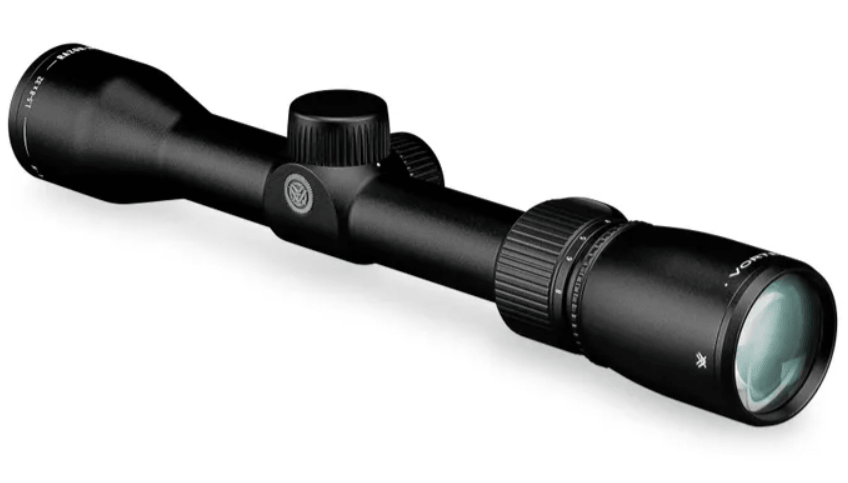
Best For: Lightweight Mountain Rifles
Technical Specifications:
- Magnification Range: 1.5-8x
- Objective Lens Diameter: 32mm
- Tube Diameter: 1 inch
- Eye Relief: 3.8 inches
- Weight: 13.4 ounces
- Focal Plane: Second Focal Plane (SFP)
Performance Analysis:
Mountain hunters require lightweight equipment that can withstand the violent recoil of ultra-light big-bore hunting rifles. During our hands-on testing, this ultra-clear optic delivered a fixed, unyielding 3.8 inches of eye relief at every magnification level. This constant distance means your muscular presentation behind the stock remains identical whether shooting uphill or downhill. Additionally, the premium high-density glass layers reveal tiny structural details across distant ridgelines.
The low-profile turrets are fully capped to prevent accidental rotational tracking errors while hiking through dense brush. Consequently, this specialized tool represents the perfect addition to any high-altitude backcountry hunting expedition. For those interested in affordable target precision optics, you can also explore our field-tested guide on the Best Tactical Rifle Scopes Under $300 to compare your options.
Pros:
- Constant unyielding 3.8-inch eye distance
- Exceptionally bright high-density lens coatings
- Low physical profile prevents branch snags
Cons:
- 32mm objective lens limits absolute max dawn brightness
- Reticle lines are thin for old eyes
4. Burris Scout 2-7x32mm
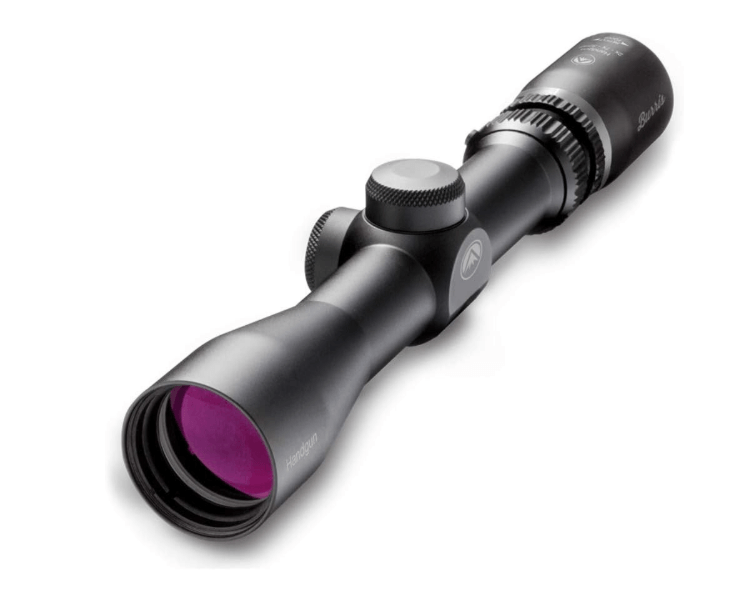
Best For: Forward-Mounted Scout Rifles
Technical Specifications:
- Magnification Range: 2-7x
- Objective Lens Diameter: 32mm
- Tube Diameter: 1 inch
- Eye Relief: 12.0 inches to 9.2 inches
- Weight: 13.0 ounces
- Focal Plane: Second Focal Plane (SFP)
Performance Analysis:
Traditional scout configurations require the aiming system to sit forward on the rifle barrel rather than over the action. Specifically, this unique placement demands a radical optical formula capable of projecting an image across massive linear distances. This specialized model achieves up to twelve full inches of working clear space ahead of your face. Therefore, it provides absolute physical immunity against scope bite injuries from heavy lever-action calibers like the .45-70 Government. The extreme distance lets the operator keep both eyes open while tracking fast moving targets across open fields. Furthermore, the internal steel-on-steel turret clickers track with repeatable, crisp mechanical precision.
Pros:
- Massive 12-inch maximum extended eye spacing
- Keeps both eyes fully open during tracking
- Ultra-low mounting profile on traditional barrels
Cons:
- Severely reduced total field of view width
- Not compatible with standard rear receiver rings
5. Bushnell Elite Tactical 1-4x24mm
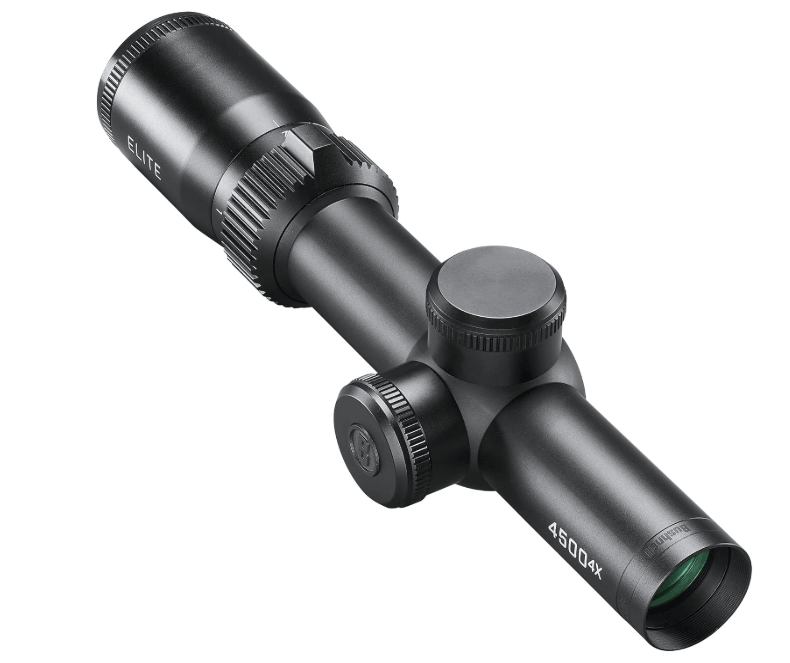
Best For: Dangerous Game Stopping Rifles
Technical Specifications:
- Magnification Range: 1-4x
- Objective Lens Diameter: 24mm
- Tube Diameter: 30mm
- Eye Relief: 4.0 inches
- Weight: 18.0 ounces
- Focal Plane: First Focal Plane (FFP)
Performance Analysis:
Hunting dangerous African or Alaskan game requires immediate, reflexive target acquisition speeds under immense stress. This heavy-duty 30mm maintube optic provides a true one-power low end that functions exactly like a fast reflex sight. Specifically, the design engineered a flat four-inch eye relief barrier that remains entirely stationary across the power spectrum. The robust internal erector system utilizes a specialized locking mechanism to endure thousands of cycles of high-payload recoil.
Additionally, the bright first focal plane reticle allows for rapid close-quarters holdovers without changing your cheek weld. As a result, this robust tactical model offers definitive security when tracking dangerous animals in close cover. If you want to check out low-recoil practice gear, you can also explore our field-tested guide on the Best Scopes for .22 WMR (22 Mag) Rimfire Rifle to compare your options.
Pros:
- Stationary 4.0-inch safety buffer zone
- Rugged 30mm maintube chassis construction
- First focal plane reticle holds sub-tensions perfectly
Cons:
- Heavy 18-ounce total physical weight footprint
- 4x maximum power limits long-range utility
Comprehensive Buying Guide
Understanding Eye Relief Mechanics
The term eye relief defines the precise measurement distance from the outer surface of your ocular lens to your eyeball where a sharp, full image forms. For heavy recoil applications, this physical distance must remain above 3.5 inches at all times. Specifically, when a large caliber rifle fires, the weapon accelerates backward into your shoulder pocket instantly. If your eye sits too close to the glass, the hard scope frame will strike your brow before your body can absorb the rearward kinetic movement.
Variable magnification optics often change their eye spacing characteristics when you adjust the zoom ring. Generally, as magnification levels increase, the available eye relief distance naturally shrinks. This shrinking occurs due to the changing geometric angles of the internal glass lenses. Therefore, a premium optic must be engineered to minimize this shift so that your cheek position remains stable during high-magnification shots.
Managing the Eyebox Dimension
The eyebox represents the complete three-dimensional spatial volume behind the ocular lens where your eye can successfully view the entire target image. A wide, forgiving eyebox allows your head to sit slightly off-center without creating immediate dark crescent shapes around the image edges. Specifically, heavy recoiling rifles disrupt your consistent shooting stance during rapid secondary shots. A generous eyebox ensures that even if your face slips under heavy recoil, you can still acquire the reticle immediately.
Exit pupil diameters dictate the total amount of light exiting the rear scope lens to enter your eye. You calculate this value by dividing the objective lens diameter by the current magnification power setting. For instance, a 40mm objective lens set at 4x magnification produces a spacious 10mm exit pupil. This large exit pupil creates a highly forgiving eyebox that speeds up target tracking in dynamic hunting situations.
Structural Shock Resistance Standards
Heavy magnum recoil creates destructive, multi-directional g-force shockwaves that can shatter inferior internal optical components. Specifically, the forward and backward whipping motion can easily dislodge glued glass elements or bend internal brass erector tubes. High-quality scopes utilize dual spring-tensioned erector systems to hold the internal tubes locked firmly in place under severe impact stress.
Furthermore, look for maintubes crafted from thick, single-piece blocks of aircraft-grade aluminum alloy. This unified construction distributes the raw kinetic force evenly across the mounting ring surfaces. Aircraft alloys also prevent the outer body tube from bending or warping when torqued tightly inside heavy-duty steel ring mounts.
FAQs
1. How much eye relief do I need for a .300 Win Mag?
You should select an optic that provides a minimum of 3.5 inches of continuous eye relief. However, choosing a scope that offers 3.8 to 4.4 inches provides an enhanced safety margin when shooting from awkward positions. Unorthodox field positions, such as shooting prone uphill, naturally push your face closer to the eyepiece.
2. Do scout scopes provide more eye relief than standard scopes?
Yes, scout scopes are specifically engineered with extended eye relief configurations ranging from 9 to 12 inches. This extreme distance allows you to mount the optic completely forward of the rifle action receiver. Consequently, this design provides absolute protection against scope bite while leaving your peripheral vision open.
3. Why does my eye relief change when I increase the magnification?
The physical lens groups inside a variable scope must move closer together mechanically to increase the image size. This internal movement changes the focal point where the light beams cross behind the ocular lens assembly. Premium optical manufacturers utilize complex internal lens arrangements to keep this shifting distance minimal.
Conclusion
Selecting an optic with generous eye relief represents a critical safety requirement when shooting hard-hitting, heavy recoil rifles. The Leupold VX-3HD offers the ultimate overall package due to its massive 4.4-inch safety buffer zone and incredibly lightweight design. If you need battery-free illumination for low-light conditions, the Trijicon AccuPoint provides exceptional performance via its integrated tritium element. For forward-mounted scout rifle setups, the Burris Scout delivers an unmatched twelve inches of clear working space. Match your specific hunting environment to these field-proven options to protect your eyes and shoot with absolute confidence.